Carnival fever hits Lagos as locals celebrate Afro-Brazilian heritage
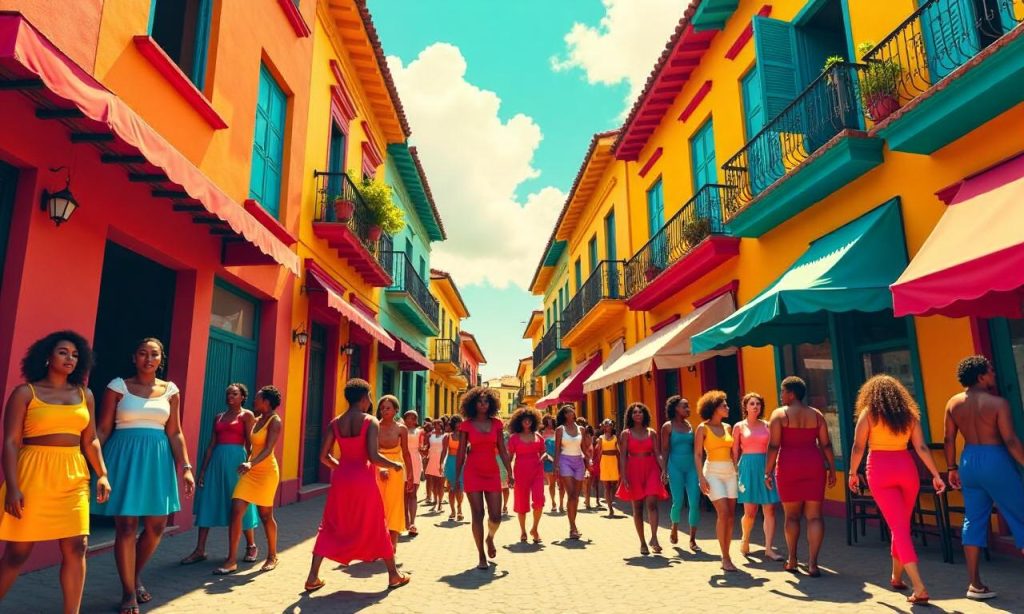
Carnival Fever Sweeps Lagos, Honoring Afro-Brazilian Heritage
Monday brought Lagos Island to life with dazzling costumes, rhythmic music, and lively processions as the annual Fanti Carnival unfolded. This tradition, now a staple of the city’s cultural calendar, has been celebrated for over two centuries, rooted in the legacy of Afro-Brazilian communities that once settled in Nigeria. The event’s vibrant energy reflects the fusion of Brazilian influences with local Yoruba customs, creating a unique celebration of heritage.
A History of Cultural Fusion
During the 1800s, enslaved Africans and their descendants returned to Africa from Brazil and Cuba, forming diaspora communities in places like Lagos Island. These groups brought with them traditions that intertwined with Nigerian Yoruba practices, leading to the creation of the Fanti Carnival. The festival’s origins are tied to the shared history of these returnees and the indigenous population, blending music, dance, and art into a distinct expression.
Celebrating Creativity and Tradition
This year’s carnival dazzled with performances, adorned horses, towering dragons, and stilt-walking dancers. Attendees like Glamour Sandra praised the event’s “energy, artistic splendour, and creativity,” emphasizing its role in preserving history. “It is important that we preserve this, so that… generation after generation everybody will get to understand the importance of this and how Brazilians and Lagos came to be,” added Ademola Oduyebo, a participant. Children and teenagers, inspired by the event’s significance, joined the parades, displaying their own imaginative designs.
“It is important that we preserve this, so that… generation after generation everybody will get to understand the importance of this and how Brazilians and Lagos came to be.” – Ademola Oduyebo
The carnival is sustained by seven historic associations, each tied to specific neighborhoods in Lagos. One participant wore a costume that highlighted the names of these groups, symbolizing their collective identity. Members of the Lafiaji association, for instance, are recognized by their signature red and white attire. Organizers expressed pride in the event, calling it “neither wholly Brazilian nor wholly Yoruba, but entirely its own.” The festival will return next April, continuing its role as a dynamic celebration of cultural unity.
For more updates on African news, visit BBCAfrica.com. Follow us on Twitter @BBCAfrica, on Facebook at BBC Africa, or on Instagram at bbcafrica.