Iran conflict will define us for a generation, says PM
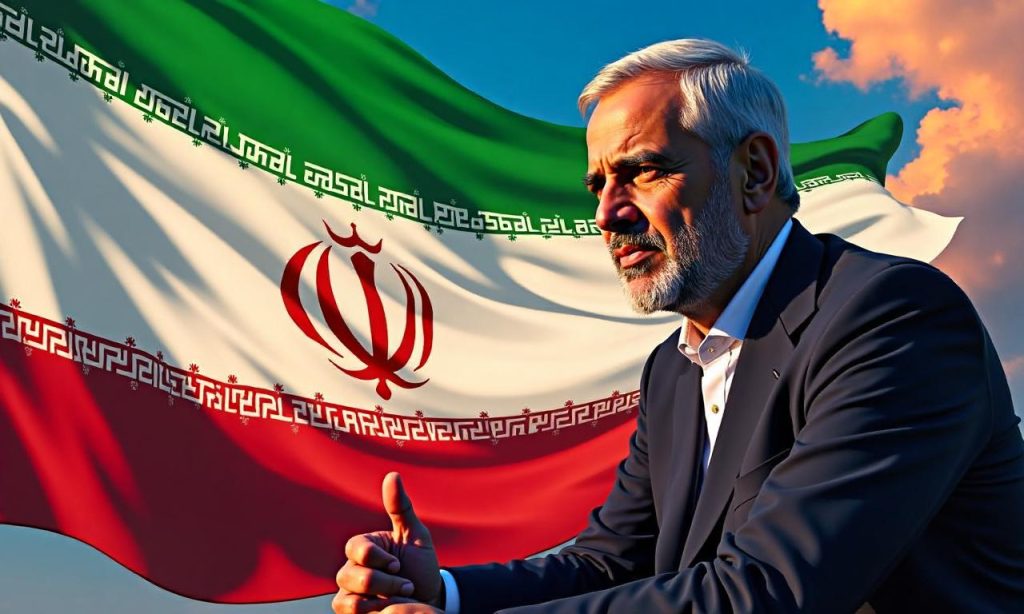
Iran conflict will define us for a generation, says PM
Sir Keir Starmer, the UK’s prime minister, emphasized during his final day in the Gulf region that the ongoing Iran conflict will have a lasting impact on the nation. He highlighted the fragility of the US-Iran ceasefire agreement and underscored the necessity of addressing the Strait of Hormuz as a key element in resolving the crisis.
“This conflict will shape our future for years to come,” Starmer remarked, reflecting on the broader implications of the crisis.
The strategic waterway has remained a focal point of disruption, with vessels—particularly those transporting oil and fertilizers—facing significant challenges since hostilities began. This has contributed to surging petrol and food prices, directly affecting households across the country.
Starmer expressed frustration with global leaders, stating he was “tired of families seeing their bills fluctuate due to the actions of Putin or Trump.” During an ITV interview, he also engaged in a direct conversation with Trump, focusing on practical steps to restore navigation through the Strait.
During the call, Starmer noted that much of the discussion centered on the “practical plan” for reopening the strait, alongside efforts to ensure smooth maritime traffic.
UK allies in the Gulf region have united behind the idea of maintaining unimpeded passage through the waterway, a move Iran has previously proposed. Starmer revealed the UK has collaborated with over 30 nations to develop a multifaceted strategy, blending political diplomacy, military preparedness, and logistical solutions.
The US president has critiqued the UK and NATO members for not taking a more active role in the conflict, suggesting potential withdrawal from the alliance. Starmer countered by affirming NATO’s role in safeguarding the UK and argued that the alliance remains vital for America’s strategic interests.
Meanwhile, Starmer highlighted the importance of closer ties with Gulf nations during his three-day visit. He noted leaders in Saudi Arabia, Bahrain, the UAE, and Qatar showed a strong commitment to enhancing defense and economic cooperation. “This conflict is shaping us for a generation, and we must respond with strength,” he concluded.