UK to urge full reopening of Strait of Hormuz
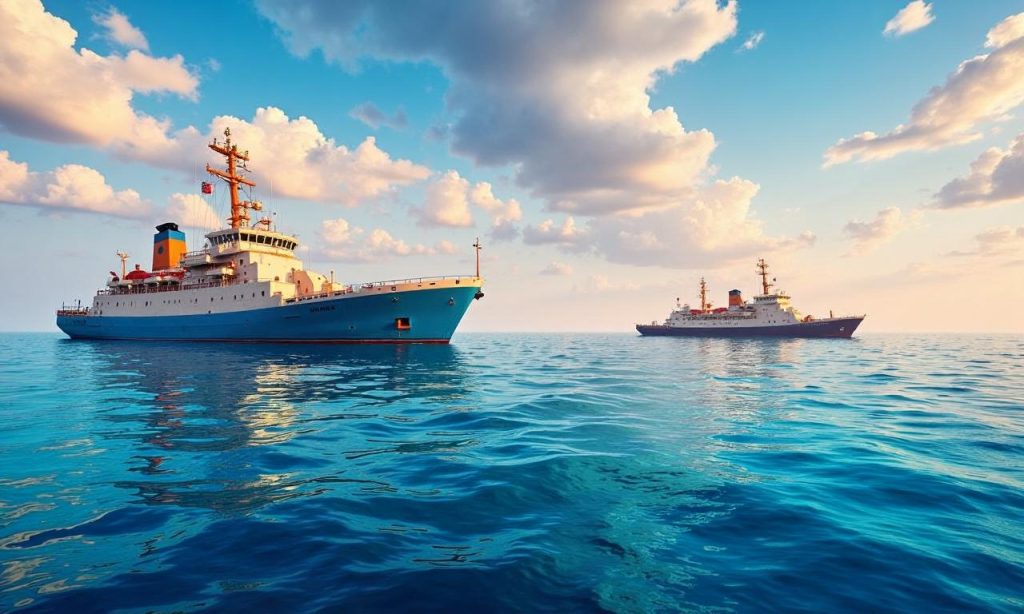
UK to Push for Full Reopening of Strait of Hormuz
As part of her annual address on foreign policy, Yvette Cooper, the UK’s foreign secretary, will demand the Strait of Hormuz be fully unblocked following warnings from the Iranian navy that ships without permission could face attacks. The strait, a vital maritime corridor, has been closed by Tehran, disrupting global trade and energy flows. Cooper’s remarks come amid growing concerns over the economic fallout, including higher food and fuel costs in the UK.
Cooper will also call for Lebanon to be incorporated into the US and Israel’s ceasefire agreement with Iran. While the UK did not directly participate in the attacks, ministers aim to leverage diplomatic influence to ease tensions. Prime Minister Sir Keir Starmer is currently engaging with Gulf allies, including Saudi Crown Prince Mohammed bin Salman, who endorsed the need for a lasting peace in the region.
Global Impact and Legal Arguments
Cooper emphasized that the conflict has rippled across the world, affecting “every country on every continent.” She argued that the strait’s closure violates international maritime law, stating,
“No country can close these routes – it goes against the fundamental principles of the law of the sea.”
The foreign secretary will stress that the strait must be open to ensure unhindered trade, as reports suggest vessels might be required to pay Iran for safe passage.
Her speech will also highlight the UK’s support for the International Maritime Organization, which is aiding ships stranded in the waterway. Cooper reiterated that the strait’s full reopening should be a priority for both the current ceasefire and the region’s future stability.
International Efforts and Iran’s Tactics
Earlier this week, the UK led discussions involving over 40 nations to resolve the blockade, with all parties agreeing the war must end first. Cooper noted that Iran had “hijacked” the shipping route, using it to “hold the global economy hostage,” a move she attributed to the lack of US involvement in recent virtual talks. Iran’s attacks on vessels, in response to the conflict with the US and Israel, have further destabilized energy markets and spiked fuel prices worldwide.
US President Donald Trump, before the ceasefire was announced, urged other nations to “build up some delayed courage” and take responsibility for reopening the strait. Meanwhile, the US has criticized allies for insufficient efforts to secure the route or back its military campaign, prompting the UK and others to balance support for the waterway with avoiding broader war involvement.
Cooper concluded that “there is considerable work to do and we support the negotiations,” ensuring no return to conflict. The UK remains committed to diplomatic solutions, even as it navigates the complexities of regional tensions and global economic repercussions.