Another Sunday In Hell: The brutal race that thwarts the greats
Another Sunday In Hell: The brutal race that thwarts the greats
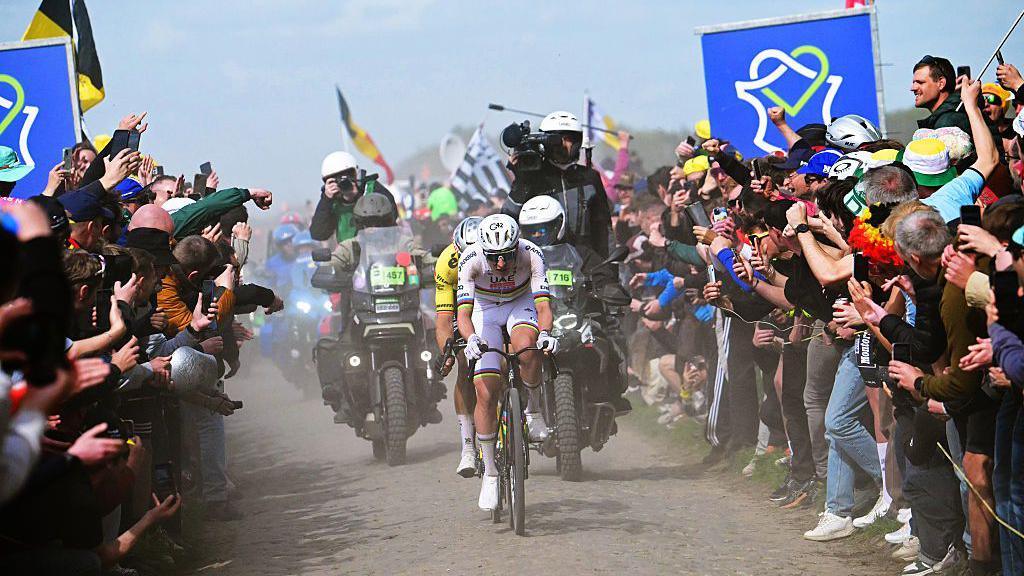
Paris-Roubaix, dubbed “L’Enfer du Nord” or the Hell of the North, is a cycling event unlike any other. With its 260km (162 miles) route, it lacks the towering mountains of the Giro d’Italia or the Tour de France, yet its relentless cobblestone surfaces make it a test of endurance. The ancient path, dotted with jagged stones, seems barely navigable for a horse, let alone a cyclist’s lightweight frame and narrow tires.
The Unforgiving Surface
Preparing the course involves more than just sweeping debris. Volunteers use goats to clear vegetation from the cobblestones, particularly in the notorious Forest of Arenberg sector. This effort aims to preserve the race’s iconic, uneven texture while ensuring safety. But even with these precautions, the cobbles remain unpredictable. Rain transforms them into a slushy mire, while dry conditions turn the tracks into a cloud of dust, making visibility and breathing a challenge.
“Imagine the hardest physical strain you’ve ever felt on a bicycle, compounded by the chaos of being thrown off balance at every turn,” said Lizzie Deignan, who triumphed in the women’s inaugural Paris-Roubaix in 2021. “It’s like gripping a pneumatic drill while hurtling forward at breakneck speed.” Her victory came after she navigated sideways through a corner during a torrential downpour, her bike skidding as she fought to stay upright.
A Legacy of Struggle
Despite their dominance in other races, even cycling’s elite struggle against Paris-Roubaix. Four-time Tour de France winner Chris Froome, known for his mountainous victories, once abandoned the race after a cardiac arrest in 2018. Greg Lemond, a three-time champion, managed only fourth place. Jonas Vingegaard, a two-time Tour winner, might have preferred the sand and dunes of the Paris-Dakar rally over the cobbles.
Yet some legends have conquered the Hell of the North. Bernard Hinault and Eddy Merckx, both with five Tour de France titles, were not immune to its brutality. Van Aert’s triumph over Pogacar in Sunday’s edition marked a rare victory for the Belgian, who had previously fallen short in the race. For Pogacar, a rider accustomed to finishing races by significant margins, the loss was a stark reminder of the course’s unyielding nature.
Van Aert’s win was described as “a dream come true,” a culmination of years of preparation. The moment held deeper significance when he dedicated the victory to a teammate, Michael Goolearts, who died during the 2018 race. Fans, gathered along the cobbled tracks, cheered their mud-splattered heroes, yet the race’s true essence lies in its ability to humble even the greatest cyclists. As the peloton charges through the final velodrome stretch, the cobbles demand more than speed—they demand resilience, precision, and a will to endure.