Feather shortage prompts badminton shuttlecock trial
Feather Shortage Spawns Badminton Shuttlecock Experiment
The global badminton community faces a potential shift as synthetic shuttlecocks are being tested in lower-tier competitions. This decision comes after the China Animal Agriculture Association reported a 10% decline in duck and goose production since 2019. The reduction in supply has driven up the cost of traditional feathered shuttlecocks, prompting the Badminton World Federation (BWF) to explore alternatives.
Supply Chain Pressures and Market Impact
Bird flu outbreaks, rising badminton participation in China, and a renewed preference for pork have collectively strained the poultry industry. These factors have disrupted the availability of feathers, which are essential for crafting traditional shuttlecocks. China, responsible for the majority of the world’s shuttlecock production, has seen a decrease in duck and goose farming due to these challenges.
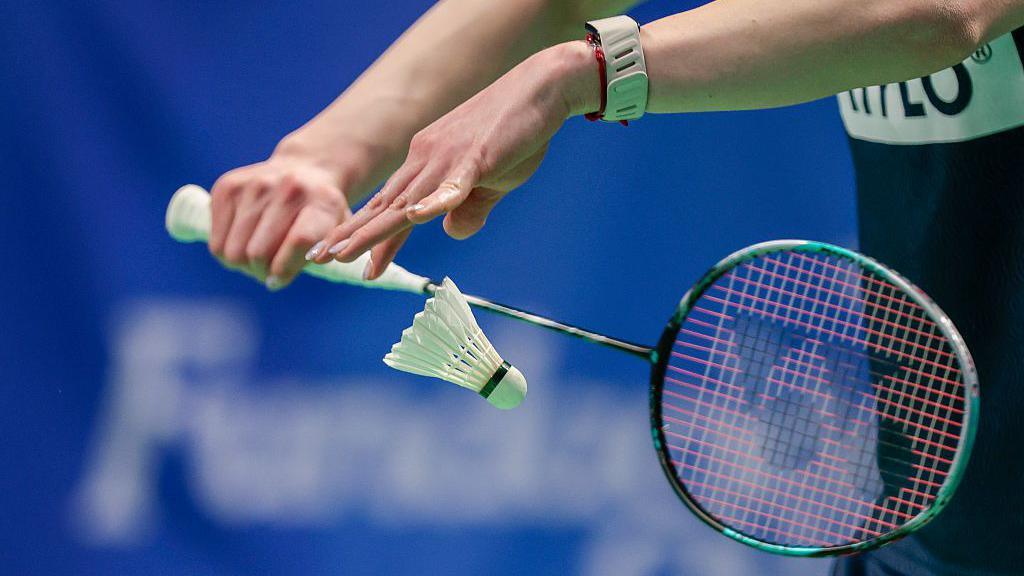
Traditionally, shuttlecocks require 16 feathers from the same wing to ensure consistent flight and spin. Feathers from different wings, however, tend to curve unpredictably. The BWF’s trial involves synthetic options in grade three and junior international events, with data on manufacturer performance and player feedback being collected. This initiative aims to evaluate synthetic shuttlecocks for use at elite levels.
“We are aware of the global supply chain challenges and the impact of rising feathered shuttlecock prices on badminton communities worldwide,” stated BWF secretary general Thomas Lund in a previous statement. “Our programs to test and introduce synthetic shuttlecocks remain active as part of our long-term sustainability goals.”
While the BWF downplayed concerns last year, the ongoing shortage has accelerated its efforts to diversify shuttlecock materials. The experiment marks a step toward balancing tradition with the need for cost-effective solutions in the sport’s evolving landscape.