Is Verstappen’s threat to quit a lever to alter rules? – F1 Q&A
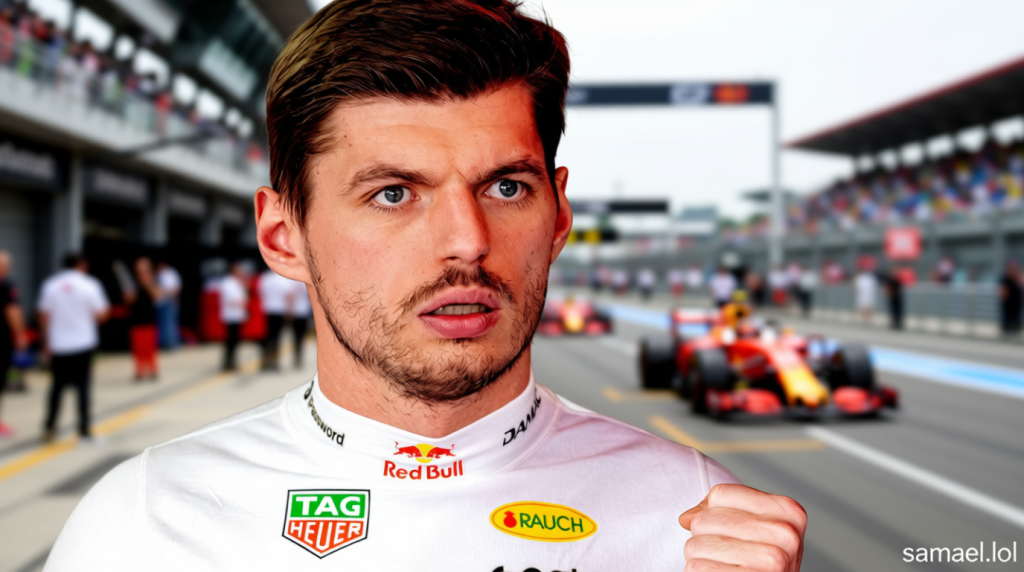
Verstappen’s Potential Exit: A Tool to Influence Rule Changes? – F1 Q&A
Max Verstappen’s Formula 1 debut occurred in 2015 when he was just 17 years old. The Japanese Grand Prix brought attention to several topics, including Kimi Antonelli’s historic achievement as the youngest driver to lead the championship. Meanwhile, Verstappen expressed his consideration of leaving the sport at the end of the season, citing dissatisfaction with recent rule changes.
Following the Suzuka race, Formula 1 faces a five-week hiatus due to cancellations of the Bahrain and Saudi Arabia Grands Prix caused by the Middle East conflict. BBC F1 correspondent Andrew Benson addresses the latest questions from fans and analysts.
Is Verstappen’s threat to quit merely a strategy to push for rule adjustments?
Verstappen’s comments to BBC 5 Live pit-lane reporter Jennie Gow after the Japanese GP suggest a deeper concern than just a negotiating tactic. While he desires changes to the regulations, his objections stem from a deep-seated and instinctive dislike of how the new rules have transformed the cars. His perspective reflects genuine frustration rather than calculated leverage.
“It depends what they decide for next year, I think. For this year I know they are trying their best, but it’s also political, right, which I fully understand of course from other manufacturers. Rightly so. I’m not bitter about that or anything.”
Verstappen has consistently voiced similar criticisms since the start of the season, even during early tests of the 2026 cars in simulators. He highlights issues such as the decline in power towards the end of straights, where electric motors lose energy and regenerate. On energy-scarce tracks, he dislikes the need for drivers to lift off and coast before braking during qualifying sessions. These practices, though common in races for years, diminish the terminal speed of cars before corner entry—critical for assessing a driver’s skill.
Additionally, Verstappen critiques the artificial aspects of racing, particularly the overtake mode and boost buttons. He emphasizes the significant power imbalance these features create between vehicles. While some appreciate the dynamic battles, where cars swap positions through strategic use of these modes, Verstappen argues that the rules have introduced complications, such as limited power phases and instances of oversteer leading to energy drops.
Verstappen’s interview on Sunday was remarkable for its depth and sincerity. He exceeded typical post-race interviews by engaging in extended dialogue. F1 regulations usually allow broadcasters only two questions in the ‘pen’ after a race, but Jennie Gow’s persistence led to five inquiries. Red Bull’s PR representative, Anna Webster, recognized Verstappen’s willingness to speak and permitted the conversation to continue, offering a profound glimpse into his mindset.
The four-time world champion acknowledges the teams’ efforts to enhance qualifying this season, especially regarding engine performance. However, he notes that further modifications require alignment among stakeholders, many of whom have conflicting interests. This implies that substantial rule changes may depend on consensus, with Verstappen’s concerns serving as a catalyst for broader discussions.