The thorny issues facing F1 over racing, qualifying and safety
The thorny issues facing F1 over racing, qualifying and safety
Racing Dynamics
The 2026 Formula 1 season has seen a notable increase in close competition and frequent overtakes, driven by updated rules. However, this shift has sparked discussions about its effects on other aspects of the sport. A month-long suspension caused by the Middle East conflict has prompted reflection among teams and drivers after a controversial and incident-packed start to the campaign.
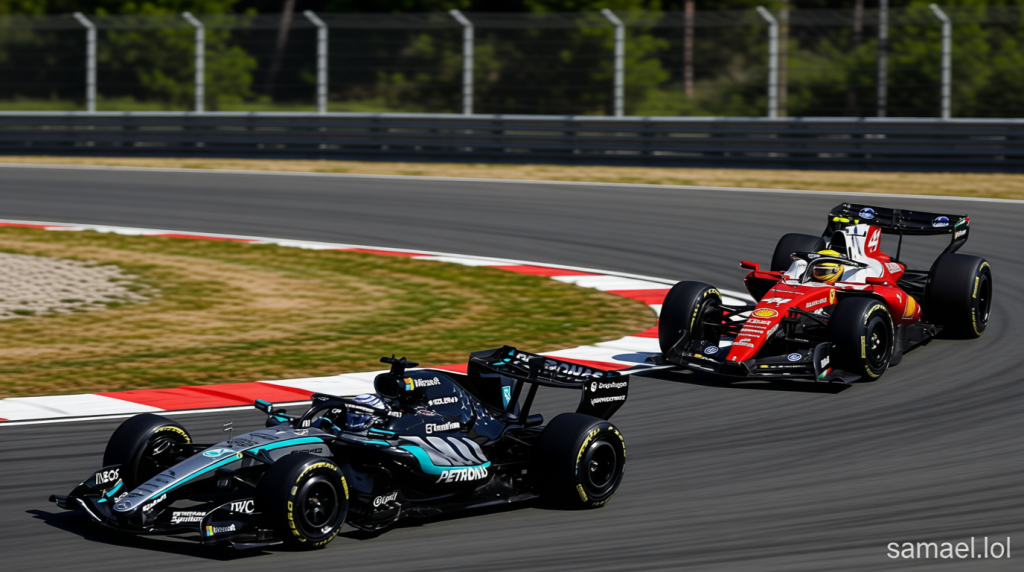
The modification of chassis regulations to accommodate the new power systems has transformed F1 racing. The replacement of the DRS system, which facilitated passing since 2011, with ‘overtake’ and ‘boost’ modes has led to a new style of competition. These modes allow drivers within a second of the car ahead to gain additional energy, creating a back-and-forth dynamic that some call ‘yo-yo racing.’
“People going back and forth, back and forth—you can never break away,” said Lewis Hamilton, describing the racing style as reminiscent of karting. “No-one has ever referred to go-karting as yo-yo racing. It’s the best form of racing, and Formula 1 has not been the best form of racing in a long, long time.”
Qualifying Challenges
The pursuit of energy efficiency in qualifying has altered the traditional approach. Drivers now face a balance between speed and strategy, with some corners becoming less demanding due to the sport’s new emphasis on managing resources. This has led to debates about whether the essence of a qualifying lap has been lost.
While the spectacle of the new rules has captivated many, others question their impact on skill. Max Verstappen, a four-time world champion, has criticized the changes, calling them “anti-driving.” Yet, some of his peers find the new format engaging, acknowledging its visual appeal while noting its potential downsides.
“Qualifying looks great on TV, and viewers seem to love it,” said Lando Norris. “But some of that racing is because the person who overtakes has to use the battery, then has absolutely zero battery and you’re just a complete passenger. You can’t do anything. So, you’re not exactly racing when you’re in that situation as you were before. It depends on how you want to view it.”
Safety Concerns
A high-speed 191mph incident involving Oliver Bearman during the Japanese Grand Prix has intensified worries about safety. The crash highlights the risks associated with the new power systems, which some drivers argue have increased speed differentials. These concerns are not new, but the recent season has brought them to the forefront.
While the new engines and rules have made racing more competitive, they have also raised questions about the sport’s ultimate challenge. Drivers aim to push their cars to the limit, yet the emphasis on energy management has shifted focus away from raw performance. The debate continues: is this evolution a step forward or a departure from F1’s core identity?