What can F1’s bosses do to help keep Verstappen in the sport?
What Can F1’s Bosses Do to Help Keep Verstappen in the Sport?
Following the Japanese Grand Prix, Max Verstappen hinted at possible thoughts of leaving Formula 1, though he emphasized that the sport’s leaders are aware of how to address his concerns. The four-time world champion expressed frustration with the evolving regulations, which he believes have altered the essence of racing. His dissatisfaction has been consistent throughout the season, as he highlighted the impact of hybrid power systems on the driving experience.
Verstappen’s Critique of the New Rules
After the race in Suzuka, Verstappen reiterated his views, stating that the current format of the sport feels “anti-driving.” He explained that while he attempts to adapt, the racing style no longer aligns with his preferences. “It’s not nice the way you have to race,” he said, adding that at some point, “it’s just not what I want to do.”
“Of course I try to adapt to it, but it’s not nice the way you have to race. It’s really anti-driving.”
Verstappen clarified that his concerns stem from the rules themselves, not his competitiveness. His Red Bull team has struggled this season, yet he insists the issue is not about performance but about the racing style. This stance poses a challenge for team principal Laurent Mekies, who previously stated that the focus was on the “competitive picture” and that discussions about other aspects were minimal.
Crash Concerns Highlight Qualifying Challenges
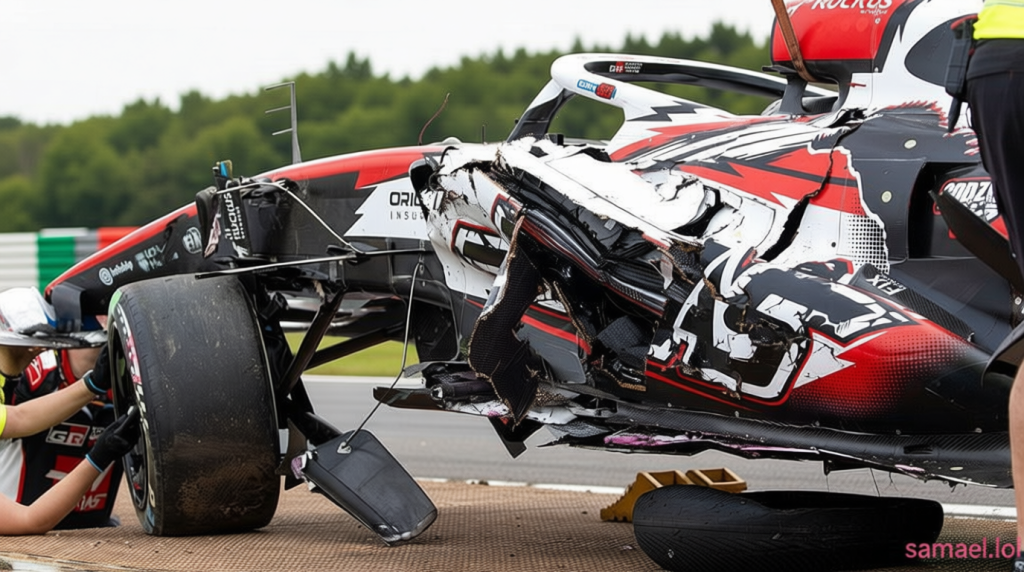
The Japanese race brought attention to a broader issue affecting the sport. Oliver Bearman of Haas suffered a high-speed crash at Spoon Curve, partly due to a 50km/h speed gap between his car and Franco Colapinto’s Alpine. This incident echoed warnings from other drivers about the risks in fast corners during qualifying, where energy management has reduced the challenge.
Carlos Sainz of Williams, a director of the Grand Prix Drivers’ Association, noted that the energy recovery system creates significant speed differentials. “There were a lot of big moments in the first three laps while we were all sorting out our energies,” he said, predicting that crashes would eventually occur.
Potential Solutions and Technical Adjustments
F1 officials now face a complex dilemma. Solutions aimed at improving qualifying, such as increasing energy recovery limits, could affect race dynamics. The current maximum super-clip rate is 250kW (335bhp), with discussions about raising it to 350kW (470bhp). While this would enhance speed differentials, it could also reduce the need for lift-and-coast strategies, which involve closing wings to slow the car and recover energy.
Andrea Stella of McLaren explained that the super-clip adjustment seeks to minimize the risks of lift-and-coast, where cars decelerate rapidly. “It is a case that should be studied with a certain level of analytical approach,” he said, adding that a simple fix may not be possible. The FIA is considering these changes as part of the 2026 regulations, aiming to balance performance and safety.