Air Canada CEO to retire after English-only condolence furor
Air Canada CEO to retire after English-only condolence furor
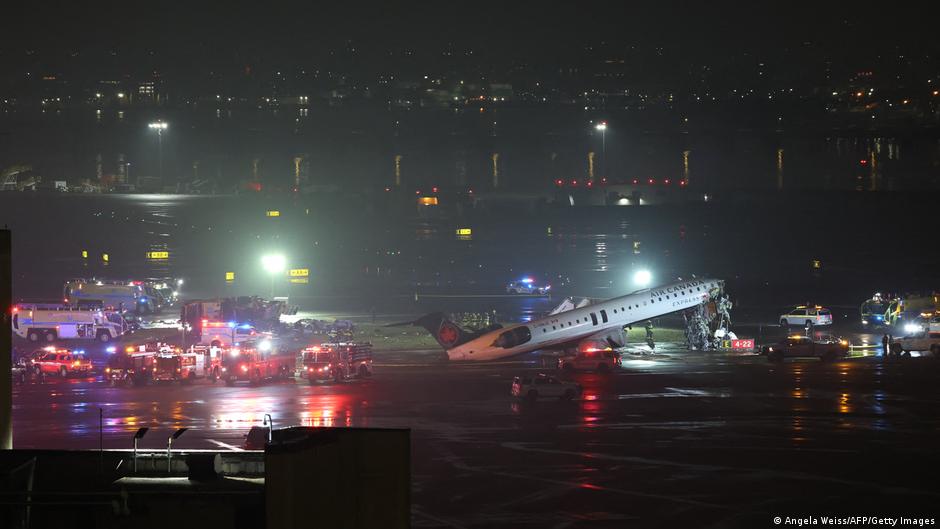
Air Canada revealed on Monday that its CEO, Michael Rousseau, will step down by the end of the third quarter. The decision follows widespread public backlash over his choice to deliver condolences in English only after a fatal collision claimed the lives of two pilots. The incident occurred when a plane landed at New York’s LaGuardia Airport, killing the crew members in a tragic accident.
Rousseau, who has held leadership roles in finance and operations, presented a video message in English with French subtitles. While the message was well-received, it sparked controversy because one of the deceased pilots, Antoine Forest, was a French-speaking resident of Quebec. His colleague, Mackenzie Gunther, was an English speaker. This incident highlighted the linguistic divide in Canada, where French and English are both official languages.
“We are grateful for the determined leadership he has provided not only in steering our company through the 2007-2008 financial crisis, COVID and other challenges, but also in capturing opportunities such as the acquisition of Aeroplan, in restoring the solvency of our pension plans, and in advancing customer centricity and employee well-being priorities,” said Vagn Sorenson, chairman of Air Canada’s board of directors.
Rousseau expressed his appreciation for the team, calling the transition period a chance to support the company. “It had been my great honor to work with the dedicated and talented people of Air Canada and to represent our outstanding organization,” he stated. He also noted his ongoing efforts to improve his French proficiency, acknowledging that his limited fluency had “diverted attention from the profound grief” of the bereaved.
The backlash extended to Canada’s political leaders. Quebec Premier Francois Legault pointed out that Rousseau had promised to learn French upon becoming CEO in 2021. Prime Minister Mark Carney echoed similar concerns, describing the absence of a French message as a sign of insufficient compassion and judgment. The Office of the Commissioner of Official Languages received hundreds of complaints about the incident.
Historically, the Quebec region and other parts of modern Canada were once part of New France during the colonial era. The British conquest of the area in the Seven Years’ War, which concluded in 1763, set the stage for language debates that continue to this day.