Bombing of Iran’s medical infrastructure endangers patients
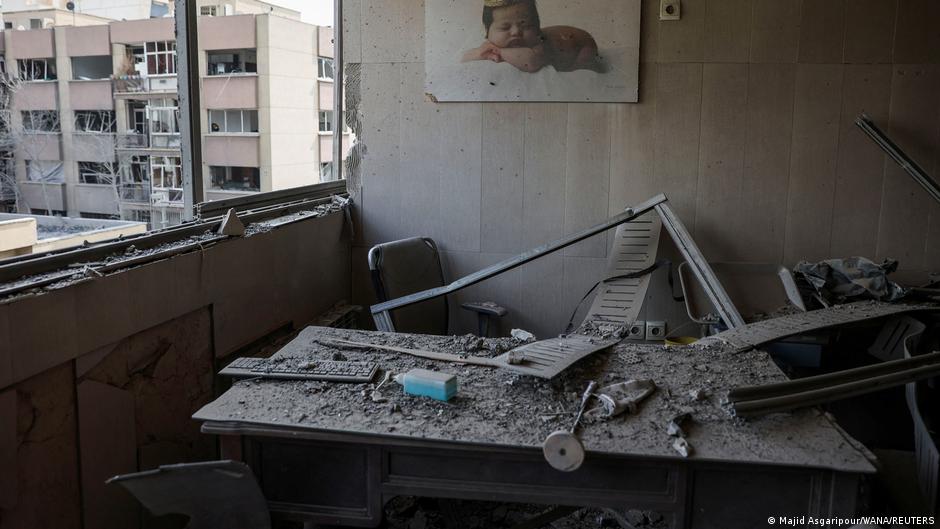
Bombing of Iran’s medical infrastructure endangers patients
Aerial Strikes Target Iran’s Pharmaceutical Facilities
As the U.S. and Israel intensify their conflict with Iran, bombings of key pharmaceutical and medical sites are threatening the health of thousands. Doctors and activists have expressed alarm over how these strikes are disrupting access to essential care. The ongoing targeting of military and civilian sites has placed further strain on Iran’s vulnerable healthcare system, as documented by multiple sources.
WHO Reports Over 20 Attacks on Healthcare System
The World Health Organization (WHO) confirmed that at least 20 strikes have damaged Iran’s healthcare network, resulting in nine deaths. Among the affected sites is the Tofigh Daru facility, which produces cancer treatment drugs. The WHO’s chief, Tedros Adhanom Ghebreyesus, added that the Pasteur Institute, a psychiatric hospital, and another Tehran-based hospital were also hit. The organization verified these strikes, underscoring their impact on critical medical resources.
International Law Experts Condemn Attacks as War Crimes
Over 100 U.S.-based international law scholars, including Harvard, Yale, and Stanford faculty, criticized the airstrikes as a clear breach of the United Nations Charter. They argued that the attacks sparked serious concerns about violations of international humanitarian law, potentially amounting to war crimes. The Iranian Red Crescent reported that 236 health centers had been bombed within three weeks of the conflict beginning.
Israel’s Justification for Targeting Tofigh Daru
Israel acknowledged the strike but claimed Tofigh Daru had used its civilian status to mask its role. The country asserted that the facility had been supplying chemicals to the Iranian regime, specifically fentanyl, a potent and dangerous anesthetic. The IDF stated that these substances were used in chemical weapons research, justifying the attack as a necessary measure.
Doctors Highlight Supply Chain Crisis
Dr. Hassan Nayeb-Hashem, a Vienna-based physician of Iranian origin, explained that Tofigh Daru was vital for producing a wide range of essential medicines.
“The factory was responsible for a major part of the country’s production and had successfully localized 50 strategic active ingredients. A massive amount of medicines has disappeared from the domestic supply chain due to the latest attacks,” he told DW. “It is extremely difficult to procure this amount from abroad under the current circumstances.”
He warned that delays in the supply chain could immediately affect patients undergoing treatment, particularly those reliant on costly cancer therapies, which are equivalent to one or two monthly salaries.
Consequences for Iran’s Healthcare System
Both Nayeb-Hashem and his colleague Hamid Hemmatpour emphasized that targeting medical facilities could be deemed a war crime under the Geneva Conventions and WHO rules. They noted that such actions are only permissible if the site is used for military purposes. Hemmatpour, also based in Vienna, cautioned that the destruction of Iran’s pharmaceutical industry might deliver “the death blow” to its healthcare system.
“