‘Drill baby drill’: Trump opens wilderness to big energy
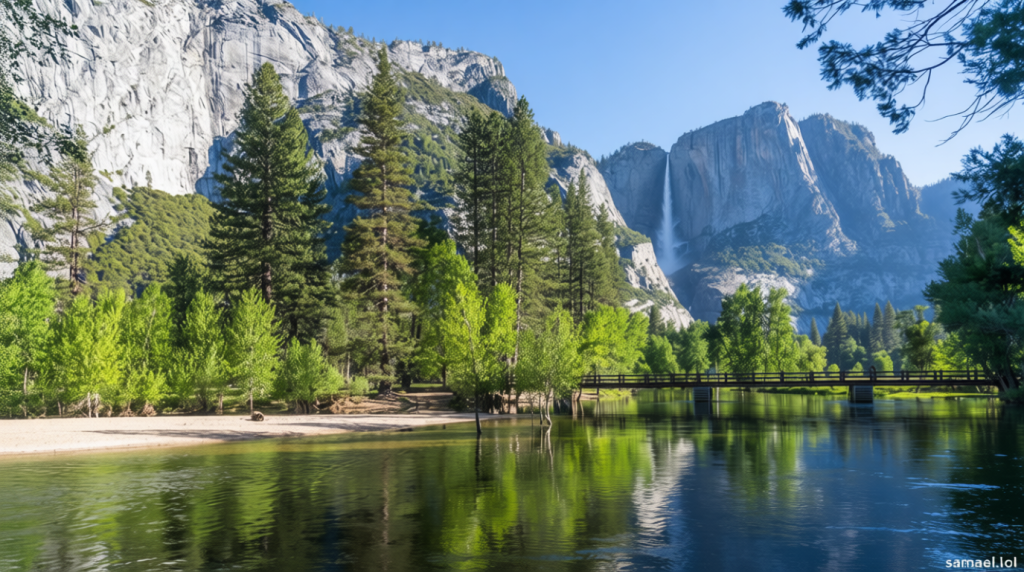
Trump’s Energy Push: Rolling Back Conservation in National Parks
Under the Trump administration, America’s national parks and public lands are undergoing significant changes, with a focus on expanding fossil fuel and timber development. The move has sparked concerns among conservationists, who argue that these transformations threaten the ecological integrity of protected areas. From the iconic landscapes of the Grand Canyon to the ancient forests of Alaska’s Tongass National Forest, the president’s policies aim to unlock natural resources for energy production and economic gain.
Conservation Under Threat
Public lands, which encompass over 600 million acres across diverse ecosystems, have become prime targets for resource extraction. Jenny Rowland-Shea, director of public lands policy at the Center for American Progress, highlights that these areas are “some of the most ecologically intact and biodiverse lands in the country.” However, the administration’s push for “government efficiency” has led to cuts in funding and relaxed environmental standards, making parks more vulnerable to exploitation.
“The weakening of the National Park Service and its conservation mission, under the guise of ‘government efficiency,’ has only made parks and public lands less safe, less clean, less accessible, and more crowded than ever before.” – Jenny Rowland-Shea
In May 2025, the Trump administration proposed reducing the National Park Service budget by nearly $1 billion, a move that could force hundreds of sites to close or cut services. Two months later, the president signed an executive order to “improve” national parks, emphasizing their role in inspiring generations. Yet, the order also called for lifting land-use restrictions, potentially opening more land to drilling, mining, and logging.
Public Backing for Parks
Despite opposition, the national park system remains a cornerstone of American heritage, drawing over 332 million visitors in 2024 and contributing $29 billion to local economies. A November 2025 YouGov poll found that 69% of Americans oppose the proposed budget cuts. This sentiment was reflected in the Senate’s January 2026 rejection of a bipartisan bill that included the cuts. However, the absence of language ensuring parks remain public lands has left them open to future privatization.
“Nobody asked for reckless cuts to park staffing or the gutting of our shared heritage. Nobody wants this.” – Theresa Pierno, National Parks Conservation Association
Trump’s policies also seek to boost domestic energy production by prioritizing mineral extraction. Over 40% of federal lands are already used for oil, gas, coal, and mining activities, including the federal mineral estate, which accounts for 15% of domestic oil and 9% of gas production. The administration is rolling back regulations to accelerate drilling and logging, including repealing a rule that previously limited timber production and road building. These actions reflect a broader strategy to “unleash” American energy potential on public lands.