Facts vs. influencers: Is the ‘Dubai dream’ really over?
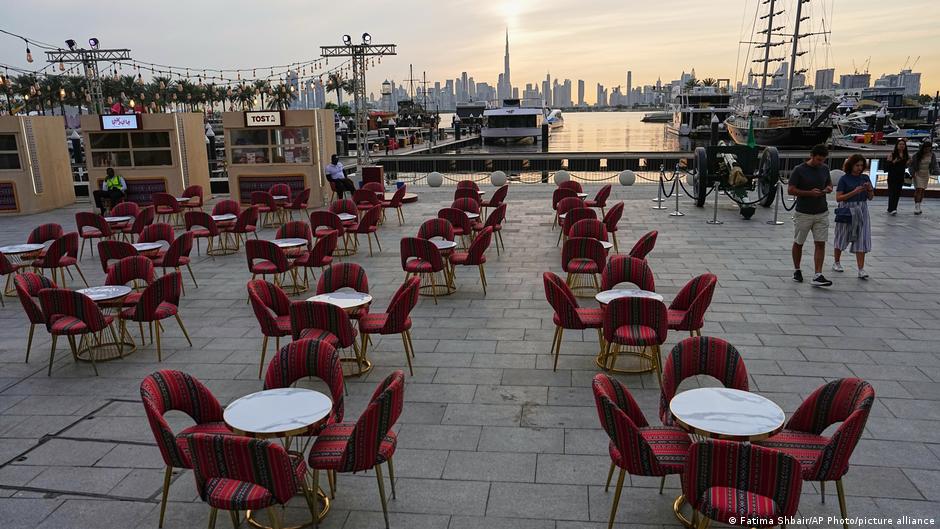
Facts vs. influencers: Is the ‘Dubai dream’ really over?
The ongoing conflict in the region has sparked debates over Dubai’s status as a thriving economic hub. While some locals claim life continues without disruption, others argue that the so-called “Dubai dream” is in jeopardy. The question remains: which perspective holds more weight?
War’s Impact on Dubai’s Image
Recent media coverage has painted a bleak picture of Dubai, suggesting the emirate’s reputation as a safe, tax-free paradise is fading. The
“unravelling of Dubai as a safe haven”
was a headline from the US-based New Yorker, while a New York Times columnist questioned
“Could this be the end of Dubai?”
. These reports often highlight the plight of social media influencers who have been compelled to leave the city, with the Daily Mail expressing satisfaction over the “great Dubai exodus.” The tabloid has emphasized how the glamorous lifestyles of these figures, once central to Dubai’s allure, are now threatened by the war.
Arrests and Media Control
Part of the narrative shift includes the detention of influencers and others for sharing images of damage caused by Iranian strikes. Legal groups like Detained in Dubai claim over 100 individuals, including Europeans, have been arrested under cybercrime or national security laws. Those convicted could face hefty fines or lengthy prison sentences. Meanwhile, the UAE defense ministry reported Iran has launched more than 2,200 drones and over 500 ballistic missiles since the war began, with some strikes reportedly hitting Dubai’s airport and residential areas.
Efforts to Maintain Stability
Despite these challenges, UAE authorities have worked to project an image of normalcy. Government leaders have visited shopping malls, urging businesses to remain open and operate as usual. Some local media outlets and social accounts have pushed back against negative reports, insisting that Dubai remains safe and functional. However, the economic toll is undeniable, as the emirate’s reliance on non-oil sectors like tourism, finance, and real estate has been shaken.
Population and Economic Foundations
Dubai’s population, around 3.8 million, is heavily composed of expatriates, with only 10% being native Emiratis. This immigrant-driven growth has fueled demand for services, driving the city’s economic expansion. A 2021 study by the Arab Gulf States Institute noted that the expatriate population is crucial to the UAE’s development. The current outflow of foreigners, whether temporary or permanent, could significantly impact the economy, according to analysts.
Rebuilding Confidence
Numbers on the exodus are unclear, but reports indicate large-scale departures. Tourism has suffered, with visitor numbers dropping by as much as 80% in some sectors. Dubai’s hotel occupancy rates also fell sharply in March, as noted by Arabian Gulf Business Insight. Financial markets have taken a hit, with the benchmark index losing 16% during the war. Real estate prices have dipped from record highs, and buyers have hesitated to commit to purchases.
In response, the UAE government introduced a $272 million support package to ease financial burdens. This includes extending payment deadlines for government fees and customs declarations. Officials also aim to revive tourism post-war and ease residency and tax rules for foreigners, as suggested by the Financial Times in mid-March. Robert Mogielnicki, a non-resident fellow at the Arab Gulf States Institute, highlighted Dubai’s proactive approach:
“Dubai was one of the first regional governments to launch an economic support program beyond resilience packages by central banks.”
The goal is to restore confidence and prevent long-term damage to the city’s global appeal.