Fragile Iran truce brings brief relief to African markets
Fragile Iran Truce Brings Brief Relief to African Markets
A truce involving the US, Israel, and Iran has temporarily eased stress on African markets. However, economists caution that the positive shift may not last long due to underlying economic challenges. The announcement of a ceasefire and the reopening of the Strait of Hormuz for trade has given some nations in sub-Saharan Africa a momentary reprieve. Yet, the broader recovery remains uncertain, according to specialists.
South Africa’s Fuel Price Surge
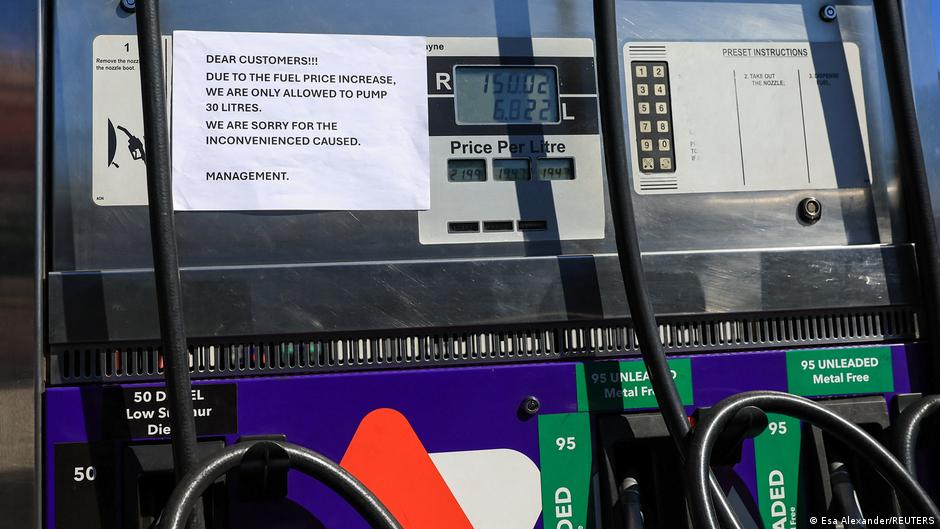
South Africa recently raised fuel prices significantly, reflecting the ongoing strain on energy costs. Despite the government securing passage for its ships through the Strait of Hormuz earlier in March, prices continued to climb. Iran’s ambassador to the country, Mansour Shakib Mehr, emphasized that South Africa was not a primary target, as Tehran focused on opposing US and Israeli forces. Still, the impact on local consumers was immediate.
“We were thinking it’s going to be six rand, but at least it’s just three rand for petrol, it’s something at least. We shouldn’t get involved in other regions when we have our own issues here,” said a Cape Town motorist, who chose not to reveal their name, on April 1.
While the diesel price increased by 7 rand ($0.41, €0.36) per liter, the short-term relief from the ceasefire has boosted financial markets. The rand, government bonds, and stocks have seen upward trends. Daniel Silke, head of Political Futures Consultancy in Cape Town, noted that consumers might feel the effects at fuel pumps soon. However, he warned that the rebound could be fleeting, citing global price pressures.
Global Price Pressures and Structural Challenges
Silke highlighted that many developing nations had managed to reduce inflation during the pandemic, but rising global prices—particularly for oil, fertilizers, and LNG—threaten this progress. For households reliant on energy and transport, the crisis could dampen demand across Africa. Dr. Abdul Hakim Ahmed, an international political economy expert from the University of Winneba in Ghana, echoed this, stressing that price declines are unpredictable due to the fragile nature of the ceasefire.
“Once prices go up, they take time to come down. The agreement is still shaky, so any drop remains uncertain,” Ahmed told DW.
Both analysts agree that the conflict has prompted African countries to reevaluate their reliance on external energy sources. Silke pointed to the need for reduced dependency on global hubs, while Ahmed called for investments in domestic refining and alternative energy like nuclear power. Though the ceasefire offers temporary solace, the long-term outlook depends on structural reforms and sustained stability in the region.