Hacking women’s political underrepresentation, Dutch-style
Hacking women’s political underrepresentation, Dutch-style
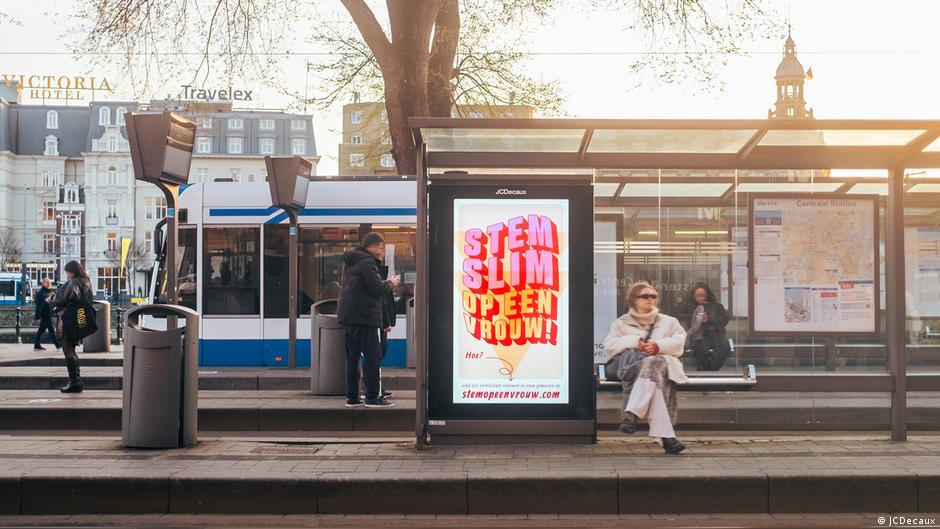
Recent local elections in the Netherlands saw 504 women securing positions, a significant rise attributed to the “Vote for a Woman” initiative. This grassroots effort aimed to elevate women’s visibility and encourage strategic voting to maximize their electoral success. While the number marks progress, it still falls short of achieving full gender balance in local governance.
A Breakthrough in the Council
Fatuma Muhumed, a legal professional, stands out as a new councilor in Apeldoorn. Her victory, despite being ranked 15th on the GroenLinks-PvdA list, highlights the impact of targeted preferential voting. This method, championed by the campaign Stem op een Vrouw, shifts focus from party loyalty to individual candidate support, particularly for women lower on the lists.
“We see more men, and then we see women lower on the lists,” says Zahra Runderkamp, a political scientist and lead researcher at Stem op een Vrouw. “Voters tend to favor those at the top, but the campaign pushes them to support women further down, especially near the seat threshold.”
The strategy has proven effective, enabling Muhumed and 503 others to claim seats in the latest polls. Yet, systemic challenges persist. Nationally, women hold 43.3% of parliamentary seats, surpassing the EU’s 33.6% average and reaching the highest level since 1918. Locally, however, the figure drops to 36.9%, with projections suggesting it could have been even lower without the campaign’s influence.
Party Dynamics and Historical Shifts
Gender parity varies among political parties, with a noticeable shift from left to right. The left-wing Party for the Animals led with over 50% female candidates, while the conservative SGP had just 2%. This change followed a seven-year legal battle, ending in a court ruling that deemed the SGP’s ban on women in politics discriminatory. Though extreme, it reflects broader trends where only 32% of candidates across parties were women.
Barriers to women’s political participation extend beyond candidate lists. Research indicates that girls often perceive politics as a male-dominated field, a mindset reinforced over time. This perception contributes to fewer role models, perpetuating the cycle of underrepresentation. Without visible women in leadership, policies risk missing the everyday experiences of half the population, deepening disengagement.
Breaking the Cycle
Stem op een Vrouw seeks to disrupt this pattern by pairing emerging candidates with established female politicians. These mentorship programs aim to build networks, demystify the political process, and create pathways for new voices. Muhumed, for instance, participated in workshops on candidacy and campaigning. However, challenges remain, as the demands of local politics—often requiring evening and weekend commitments—can clash with traditional gender roles.
While the campaign has made strides, achieving true equality requires more than just smart voting. Runderkamp stresses the need for parties to prioritize balanced lists and address underlying societal norms that discourage women from entering or staying in politics.