Has Pakistan outplayed India in Iran war diplomacy?
Has Pakistan outplayed India in Iran war diplomacy?
Amid the escalating tensions of the US-Israel conflict with Iran, Pakistan is emerging as a key diplomatic player, while India’s strategy remains more subdued. The war has triggered significant fuel shortages in the subcontinent, strained the value of the rupee, and heightened concerns among millions of Indians working in the Gulf. Yet, as the crisis unfolds, it is Islamabad rather than New Delhi that is taking center stage in global negotiations.
India’s measured stance and domestic critique
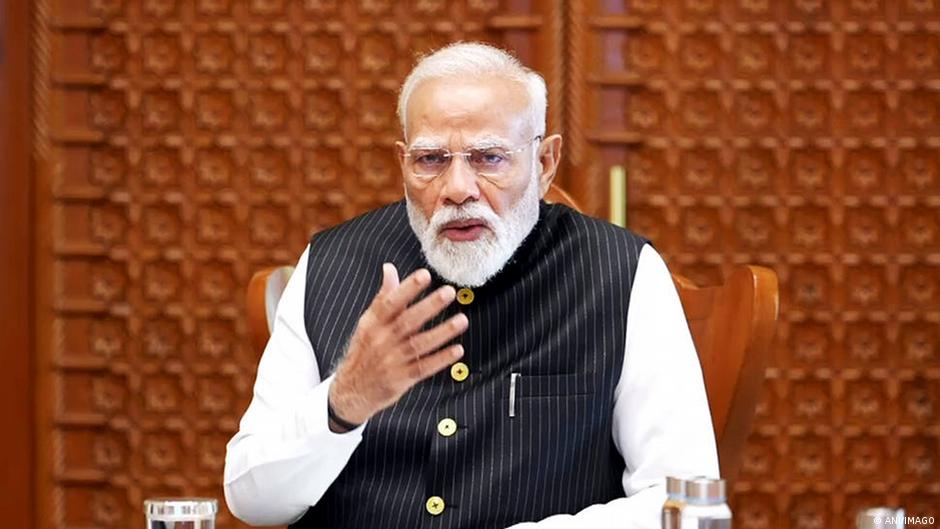
India has opted for a cautious approach, prioritizing stability over assertiveness. Officials have focused on energy security and safeguarding the welfare of overseas workers, urging restraint in public statements. However, this diplomatic restraint has drawn criticism from opposition figures. Rahul Gandhi, head of the Congress party, described Modi’s foreign policy as a “universal joke,” while Jairam Ramesh highlighted that Pakistan’s mediation efforts have surpassed India’s in effectiveness.
“Following India’s ‘undoubted military successes’ in Operation Sindoor against Pakistan in May 2025, Pakistan’s diplomatic engagement and narrative management has been markedly superior to that of the Modi government.”
Experts note that Pakistan’s active role enhances its global profile, particularly in Washington, where it is seen as a strategic bridge during heightened conflict. Shanthie Mariet D’Souza, president of Mantraya, observed that Modi’s government has framed the war as distant, neglecting its direct impact on India’s energy stability. “This stance contradicts earlier efforts to position India as a potential mediator in the Ukraine conflict, and also underscores the economic consequences of the Iran war,” she stated.
Harsh Pant of the Observer Research Foundation emphasized that India’s ability to maintain approval ratings hinges on the war’s duration. “If the crisis continues, pressure on India grows, and domestic challenges escalate, Modi’s administration could face scrutiny,” he noted. Meanwhile, India’s initial support for Arab states in the Middle East has been a point of pride, though maintaining neutrality is seen as crucial for its regional influence.
India’s strategic autonomy vs. Pakistan’s intermediary role
Indian External Affairs Minister S. Jaishankar has dismissed the notion of India acting as a “go-between” in the US-Israel-Iran conflict, reinforcing New Delhi’s commitment to an independent foreign policy. This counters suggestions that India should mirror Pakistan’s approach, which has positioned Islamabad as a pivotal negotiator.
“India would not serve as a mediator like Pakistan in this ongoing conflict. We are focused on our own interests and maintaining a balanced role,” Jaishankar remarked.
Modi acknowledged the Middle East crisis as a “worrisome” challenge to energy security but assured that domestic stability is being maintained through strategic reserves and diversified imports from 41 nations. Ajay Bisaria, a former high commissioner to Pakistan, suggested India faces no immediate domestic backlash, though policy analysts worry about its lack of influence in the region.
Bisaria pointed out that Pakistan’s role, while tactically useful, should not overshadow India’s broader strategic advantages. “India’s strength lies in its balance, multi-alignment, and long-term autonomy. The challenge is to translate this into tangible outcomes,” he added. As the conflict continues, the question remains: can India’s measured diplomacy withstand the pressures of geopolitical uncertainty?