How South Korea is using K-beauty trend boost soft power
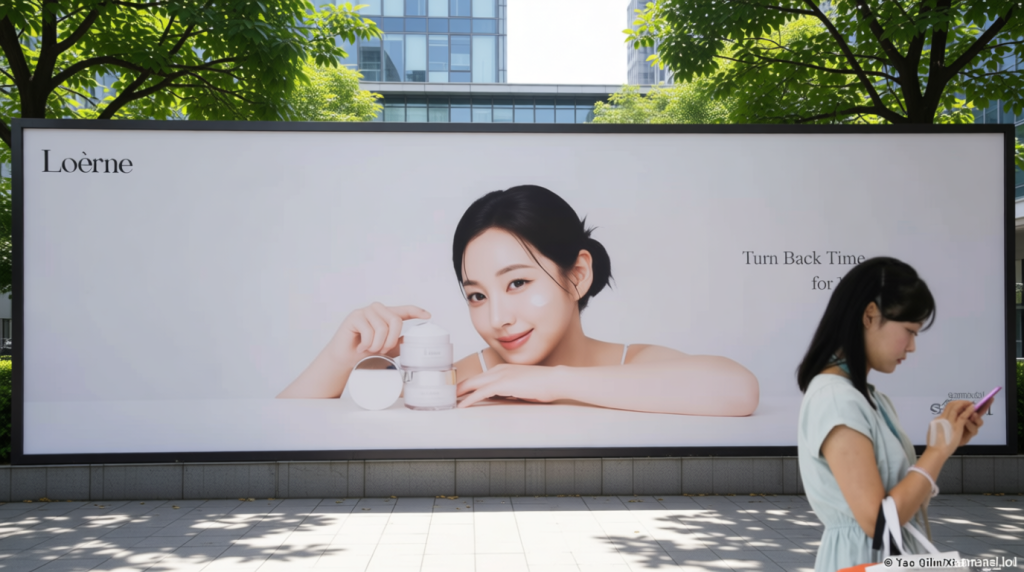
How South Korea is using K-beauty trend to boost soft power
South Korea’s rise in global influence is now being driven by a different cultural export: skincare and cosmetics. Unlike previous industries such as automobiles and electronics, or entertainment sectors like K-pop and K-dramas, the nation is leveraging its beauty products as a tool to enhance its international appeal. This strategy has transformed “K-beauty” into a worldwide phenomenon, with Western consumers increasingly embracing its unique approach.
A Strategic Fusion of Culture and Commerce
According to Hannes Mosler, a political scientist at the University of Duisburg-Essen, South Korea’s soft power initiatives are deeply rooted in its cultural and economic strategies. “Soft power means using attractiveness, not force, to influence others,” he noted. For a country positioned between major global powers, this strategy is vital. “South Korea deliberately exploits cultural attractiveness to navigate its geopolitical landscape,” he added, emphasizing that beauty products are part of a broader national image.
“Consumer trends reflect cultural trends,” said Stefan Tobel, CEO of Kencana, a Hamburg-based firm specializing in Korean cosmetics imports. He highlighted that K-pop’s global popularity laid the groundwork for K-beauty’s emergence, as the two industries share a symbiotic relationship.
Economic Growth and Global Demand
Statistics underscore the success of this trend. In 2024, South Korea’s cosmetic exports reached $10.2 billion, according to the ministry of trade and industry. By 2025, this figure had risen by 12.3%, totaling $11.43 billion. The Yonhap news agency in Seoul reported these gains, signaling a shift in how the country positions itself economically.
Cultural Dynamics and Market Innovation
Grand View Research, an American firm analyzing global consumer markets, links the expansion of K-beauty to the rise of Korean pop culture. “The global rise of K-pop and K-dramas has significantly boosted K-beauty’s reach,” the report stated. Mosler expands on this, noting that the Korean wave was not solely organic. “The Korean wave is not purely orchestrated by the government, but it had early political support,” he explained to DW.
South Korean skincare emphasizes prevention and long-term care, as noted by Euromonitor International, a London-based consulting firm. “Korean products focus on improving skin rather than covering it up,” said the firm’s analysts. This approach reflects societal values, with intense competition driving high standards for effectiveness.
“The market moves extremely fast. New ingredients, new formats, new routines,” said Tobel. “Anyone who isn’t permanently innovating immediately loses relevance.” This dynamic underscores the role of rapid product cycles in maintaining K-beauty’s global relevance.
Social media platforms like TikTok and Instagram play a pivotal role in amplifying trends. They act as accelerators for K-beauty’s visibility, enabling real-time sharing of routines and products. Mosler highlighted the importance of cultural multipliers, stating that “K-pop stars or series create visibility and with it demand,” making beauty products an integral part of the nation’s soft power toolkit.