Hungary election: Polls close as Orban faces pivotal vote
Hungary election: Polls close as Orban faces pivotal vote
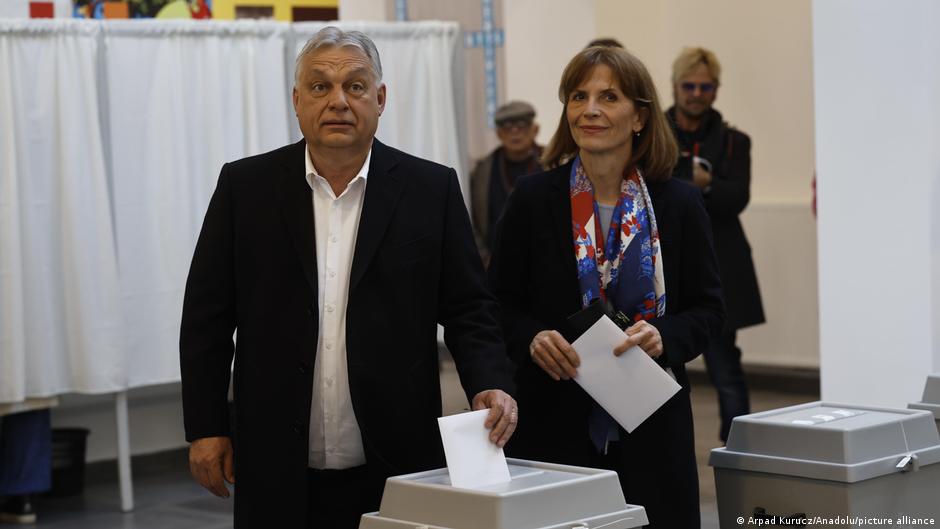
On April 12, millions of Hungarians cast their ballots in a critical test for Prime Minister Viktor Orban, whose leadership has spanned over two decades. The opposition’s leader, Peter Magyar, has positioned himself as the most formidable rival to Orban’s continued rule. Early results suggest this election could reshape the political landscape, with voters showing strong engagement in a historic contest.
As of 3 p.m. local time, 66% of registered voters had participated, surpassing the 52.7% recorded at the same hour in the previous election. By 1 p.m., over half of Hungary’s 7.5 million eligible voters had voted, translating to a turnout of 54.14%—a significant jump from the 40% seen at noon in 2022. This surge underscores the election’s importance, particularly for those seeking a shift in governance after 16 years of Orban’s tenure.
A Political Rivalry in the Spotlight
Peter Magyar, once a loyal ally of Orban within Fidesz, has since founded the Tisza party, challenging the veteran nationalist leader. If results align with current trends, Orban could lose his position to Magyar, ending a 16-year stretch of dominance. Both candidates have emphasized the high turnout, with Magyar urging supporters to “change the system” and Orban focusing on “defending Hungary’s security” from external threats.
“A great many Hungarians have set out to change the system,” said Magyar in an online video. “Tonight, the nightmare we have endured for years will come to an end.”
“If we want to defend Hungary’s security, not a single patriot must stay at home,” Orban stated, highlighting his campaign’s emphasis on stability.
Turning Out in Record Numbers
Despite the early hours, the voter turnout has already exceeded past totals. By 11 a.m., nearly 38% of voters had cast their ballots, surpassing the previous record set in 2002—the last time Fidesz faced a setback. The surge reflects growing public anticipation, with many expressing hope or anxiety over the election’s outcome.
David, a 35-year-old software developer in Budapest, captured the sentiment: “I’m going to cry either way—tears of joy if things change, or tears of sorrow if this system remains.” The political stakes are evident, as voters grapple with the implications of Orban’s policies, including his perceived alignment with Russia’s Vladimir Putin.
Strategic Campaigns and Public Sentiment
Fidesz’s efforts to mobilize supporters reached a peak with a campaign-closing rally in Budapest on Saturday, traditionally an opposition stronghold. Attendees expressed confidence in Orban’s victory, dismissing recent polls that suggested a strong opposition lead. “The silent majority will come out and cast their vote for Fidesz,” one participant told DW.
Meanwhile, activist Peter Heindl has been a visible presence in the campaign, altering government posters to symbolize resistance. Political posters are ubiquitous, marking the intense energy surrounding the vote. European far-right leaders have also backed Orban, though his support remains contested due to controversies over corruption and his ties to Russia.
As the final hours approach, the election’s result will likely define Hungary’s direction, with implications for its relationship with the EU and its stance on the Ukraine war. The race continues to capture national attention, with every vote carrying weight in a nation divided by ideology and ambition.