Hungary: Orban’s ouster heralds thaw in EU ties
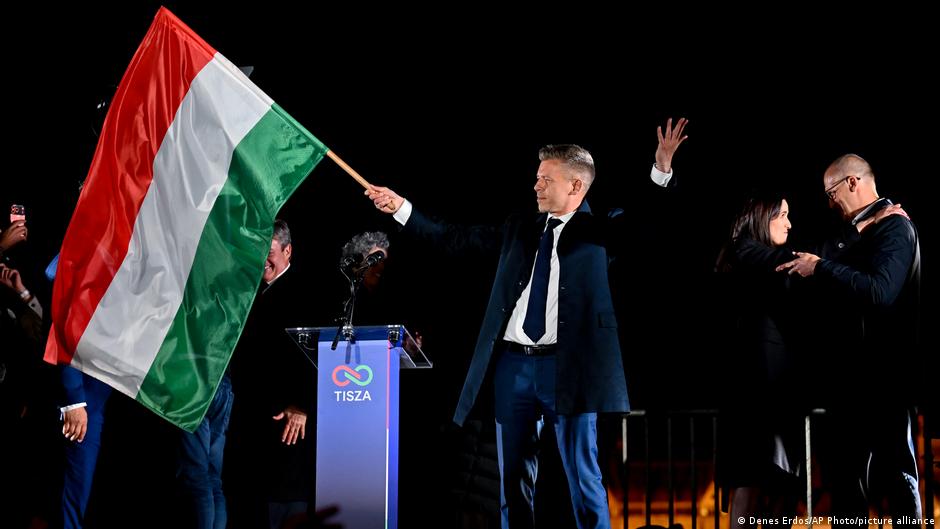
Hungary: Orban’s ouster heralds thaw in EU ties
Hungarian voters opted for Peter Magyar, a pro-EU candidate, ending 16 years of leadership by Viktor Orban, whose policies leaned toward Russia. Europe watches closely to determine if Magyar can fulfill his pledges to mend relations with Brussels. The election saw a strong turnout, with Magyar’s center-right Tisza party securing 138 parliamentary seats, surpassing the two-thirds threshold required to implement key reforms. This marks a significant shift, as Magyar, a former ally of Orban, vows to steer the nation away from its far-right trajectory.
Magyar’s victory came amid challenges, including Orban’s dominance over public media, strategic gerrymandering that compelled Tisza to secure 5% more votes than Fidesz, and external pressures from European far-right groups and the U.S. to retain Orban’s government. The National Election Office reported nearly 80% voter participation—a record in post-communist Hungary—highlighting the public’s appetite for change.
Magyar’s Promises and Challenges
In his post-election address, Magyar reaffirmed commitments to restore democratic institutions, strengthen ties with NATO and the EU, and combat corruption. “With a two-thirds majority, we will amend the constitution to revive checks and balances,” he declared. “Hungary will join the European Public Prosecutor’s Office and ensure its democratic systems remain intact.” He also emphasized, “Tonight, truth triumphed over lies. Hungarians chose to ask what they could do for their country, not what it could do for them.”
“Europe’s heart is beating stronger in Hungary tonight,” said European Commission President Ursula von der Leyen on X, celebrating the result. German Chancellor Friedrich Merz added, “I look forward to collaborating with you. Let’s unite for a strong, secure, and cohesive Europe,” while French President Emmanuel Macron praised, “This victory reflects Hungary’s dedication to EU values and its role in Europe.”
Magyar’s agenda includes unlocking frozen EU funds and pursuing euro adoption, both of which could revitalize Hungary’s stagnant economy. However, diplomats note that tangible progress on reforms will be critical before financial support is released. His position on LGBTQ+ rights remains ambiguous, as he avoided detailed comments during the campaign, possibly to appeal to conservative voters.
Orban’s era saw a decline in European values, with his government weakening rule of law and press freedoms. His rejection of rapid EU integration and reluctance to send arms to Ukraine contrast with Magyar’s approach. While Magyar opposes swift Ukrainian membership, he is expected to tone down confrontational rhetoric toward Kyiv. Orban’s close ties to Russia, including sustaining energy imports to fund the war, have drawn criticism. In Budapest, crowds echoed “Ruszkik haza!”—a rallying cry from Hungary’s 1956 revolution—as Orban’s defeat became evident.