India’s digital census prompts fear of hidden agendas
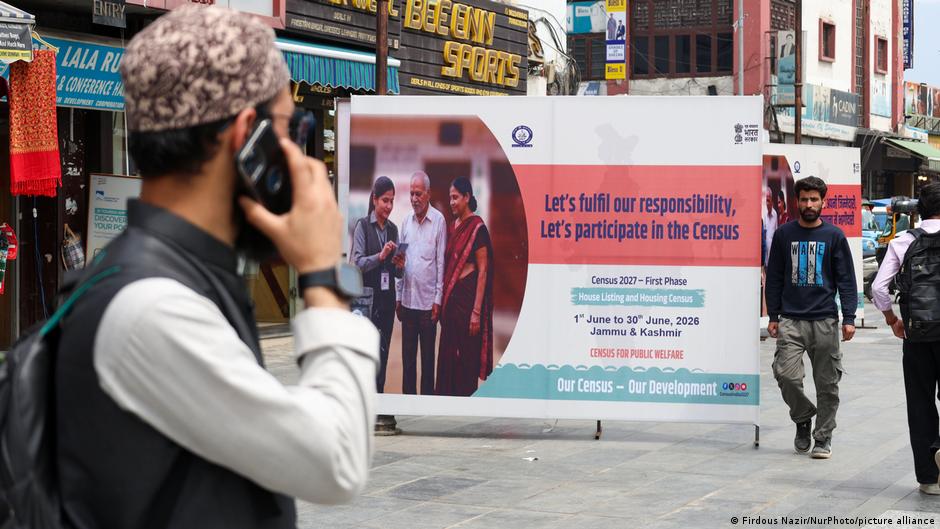
India’s Digital Census Sparks Concerns Over Political Influence
India, the world’s most populous nation, has rolled out a fully digital census system. The initiative employs millions of enumerators and introduces an online platform for citizens to input their own data. However, some worry the process may be leveraged for political purposes. The census began on April 1, with over 3 million enumerators tasked to collect information while allowing individuals to self-report via a digital portal.
Phases of Data Collection
The initial phase centers on documenting household structures and living conditions. Enumerators will gather data on 33 categories, such as building materials, access to electricity and clean water, and ownership of assets like smartphones and vehicles. Each structure will be geotagged to ensure precise coverage of the nation’s infrastructure.
Following this, the second phase in early 2024 will focus on population details. It will collect demographic and socioeconomic data, including age, education, and occupation for every individual. Officials aim to analyze migration trends and fertility rates to build a detailed snapshot of India’s evolving population. This phase also includes a broad caste survey, the first since 1931.
Self-Enumeration and Technological Access
From April 1 to April 15, citizens can enter critical data themselves through an online platform available in 16 regional languages. A government statement emphasized the system’s security and accessibility, noting that users can complete forms at their own pace before meeting enumerators. It also highlighted the census’s role in shaping India’s development strategies for the coming decade.
“The self-enumeration exercise is a secure, web-based facility available in 16 regional languages. For the first time, respondents can fill in their details online at their convenience before the enumerator’s visit,” said a government statement.
Despite the digital approach, challenges persist for those with limited tech experience, particularly in rural areas. While data entry is optional, many households may rely on enumerators or informal intermediaries to submit information. Critics argue this could lead to inconsistencies or biased reporting, especially in politically sensitive areas.
Digitization and Political Risks
With the shift to digital, data is transmitted instantly to central systems, unlike the paper-based method of 2011. The current census captures more nuanced details, such as caste, religion, economic status, and migration, which could be cross-referenced with other national datasets. This raises fears of potential manipulation, particularly in high-stakes decisions like constituency redrawing or gender-based representation policies.
“The risks are not new, but digitization changes their scale. What was once local and contained can now become systemic if safeguards fail,” S Y Quraishi, former chief election commissioner, told DW.
Quraishi stressed that the real challenge lies in maintaining trust and fairness, not just technological implementation. He warned that caste data might alter quotas and spark social tensions, while delimitation of constituencies could deepen regional divides over political representation. The census results, projected for 2027, will play a pivotal role in these decisions, making transparency and auditing crucial for its credibility.