Iran war: JD Vance hoping for ‘positive’ talks in Pakistan
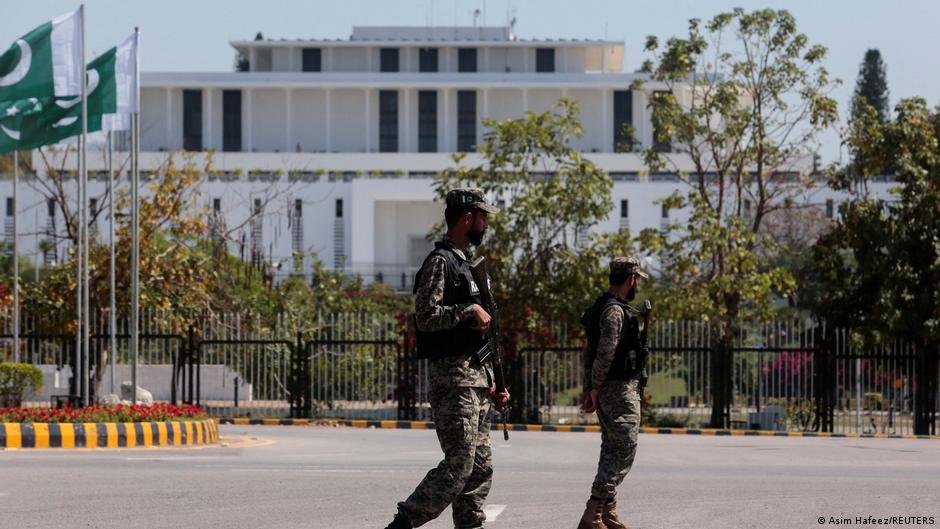
Iran War: JD Vance’s Mission in Pakistan
On Friday, US Vice President JD Vance departed for high-level discussions with Iranian officials in Islamabad, aiming to bolster an unstable peace agreement. The talks come amid concerns that Iran might end the truce due to Israeli strikes on Lebanon. Vance emphasized the need for a constructive outcome, while cautioning Tehran against attempting to manipulate the US delegation.
“We’re going to try to have a positive negotiation,” Vance stated before his departure from Joint Base Andrews in Maryland. “If the Iranians are willing to negotiate in good faith, we’re certainly willing to extend the open hand. If they’re going to try to play us, then they’re going to find the negotiating team is not that receptive.”
Vance, known for his cautious stance on foreign military involvement, has shifted focus to diplomacy this weekend. Though he didn’t address reporters directly, he mentioned that Trump had provided “clear guidelines” for the negotiation process. Meanwhile, Hezbollah confirmed a missile attack on an Israeli naval base in Ashdod, citing the group’s response to breaches of the ceasefire.
Hezbollah’s Actions and Statements
In southern Lebanon, Hezbollah fighters reportedly engaged Israeli troops using light weapons, RPGs, and rockets in Bint Jbeil. The Israel Defense Forces’ chief-of-staff, Lieutenant General Eyal Zamir, visited troops near the area, stating the mission was to eliminate threats to northern residents.
“The objective defined for you is the removal of the direct threat to the residents of the north, which you are carrying out with determination,” Zamir said.
Memorial Services in Tehran
Thousands of Iranians gathered in Tehran on Friday to honor the late supreme leader, Ayatollah Ali Khamenei, who was killed in early February during US-Israeli airstrikes. State TV footage showed large crowds participating in prayers at the mausoleum of Ruhollah Khomeini, led by preacher Mohammad-Javad Haj Ali Akbari.
The mourning ceremonies, which began on Wednesday, aligned with the Shia Islamic tradition of a 40-day period for remembrance. These events underscored the significance of Khamenei’s leadership in shaping Iran’s regional policies.
Starmer’s Role in Strait of Hormuz Talks
British Prime Minister Keir Starmer addressed the logistical challenges of restoring maritime trade through the Strait of Hormuz during a meeting with Trump in Qatar. He highlighted efforts to build a coalition and develop a political plan, while assessing military and operational strategies.
“We’ve been pulling together a coalition of countries and working on a political, diplomatic plan, but also looking at military capabilities and the logistics of actually moving vessels through the Strait,” Starmer said.
Starmer stressed that commercial shipping through Hormuz must remain unrestricted, emphasizing the need for Gulf neighbors to participate in ending the conflict. He also touched on US plans to reduce troop numbers in NATO, but reaffirmed the alliance’s importance to both Europe and the US.
NATO Commitment and Regional Concerns
Back in London, Defense Minister John Healey reiterated the US’s dedication to NATO, noting its “massive contributions” and strategic value. “America is absolutely locked into NATO, with benefits as well as significant investments,” he stated at the London Defense Conference.
Healey added that the UK must “do more” on the European front, ensuring continued support for the alliance despite ongoing regional tensions.
To view the accompanying video, please enable playback.