Iran war: More ships pass through Strait of Hormuz
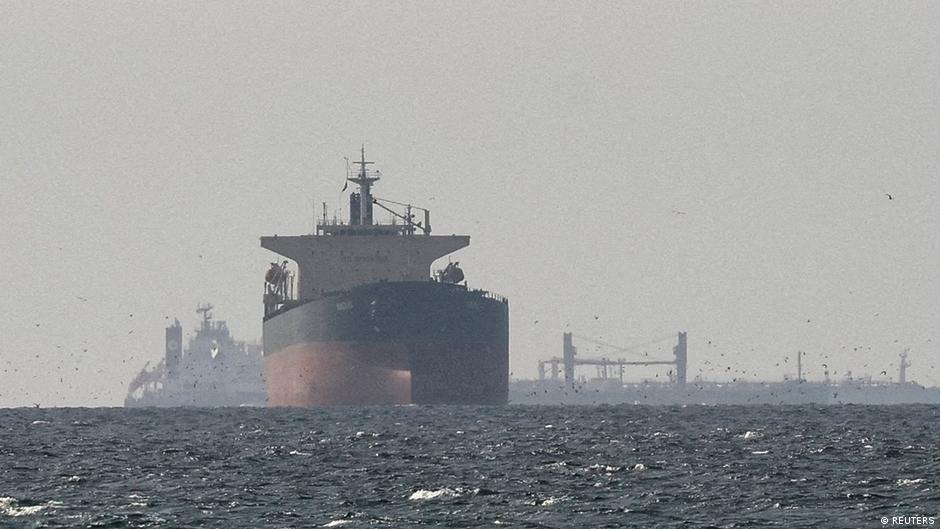
Iran War: Increased Ship Traffic Through Strait of Hormuz
Recent data reveals a modest rise in vessels traversing the Strait of Hormuz, though levels remain significantly lower than prior to the conflict. This development comes as US President Donald Trump issues warnings about potential strikes on Iranian civilian facilities.
Search for US Pilot Continues
Iran has deployed military personnel and offered incentives for locating American Air Force personnel allegedly shot down over southwestern Iran. State-run Fars news agency stated that forces are actively searching for the pilot, urging residents of Kohgiluyeh and Boyer-Ahmad province to assist.
“If you capture the enemy pilot or pilots alive and hand them over to the police and military forces, you will receive a valuable reward and bonus,” said an Iranian television reporter on an official local channel.
While CENTCOM has not yet responded to media inquiries, The New York Times and Reuters cited US and Israeli officials confirming the incident. They mentioned that a search-and-rescue mission is underway to secure any survivors before Iranian forces do.
UN Security Council Delays Vote
The UN Security Council postponed a decision to use force for reopening the strait from Friday to Saturday. The resolution, proposed by Bahrain and supported by Gulf nations, aims to authorize “defensive” actions against Iranian attacks on shipping.
“Legitimizing the unlawful and indiscriminate use of force, which would inevitably lead to further escalation of the situation and lead to serious consequences,” said China’s envoy, Fu Cong, during council discussions.
“Reopening the Strait of Hormuz using force was ‘unrealistic,’” noted French President Emmanuel Macron.
Iranian Foreign Minister Abbas Araqchi cautioned the council against “provocative action,” emphasizing the need for restraint. The proposal was reportedly softened after opposition from China, France, and Russia, who opposed a more aggressive draft calling for “all necessary means.”
Ships Navigate Around Blockade
According to Windward, a data firm, ship traffic through the strait rose for three consecutive days this week. On Wednesday, 16 cargo ships passed, compared to 11 the previous day and fewer on Monday. Most vessels sailed near the Iranian coast past Larak, maintaining a selective blockade.
“The number of ships passing through the Strait of Hormuz reportedly increased for three consecutive days this week,” said Windward.
Three ships, including the LNG tanker Sohar, bypassed Iranian-controlled corridors, marking a notable shift. A French container ship also crossed the strait, highlighting international activity amid the crisis.
Impact on Religious Observances
East Jerusalem’s Old City streets, usually lively during Catholic Easter, remained quiet due to Israeli restrictions linked to the US-Israeli conflict. Holy sites and shops were closed, casting a shadow over traditional celebrations. Passover began on Wednesday evening, while Easter started on Holy Thursday, both disrupted by the ongoing tensions.
Thousands of US troops have been deployed to the region, with Trump asserting the ability to “OPEN THE HORMUZ STRAIT, TAKE THE OIL, & MAKE A FORTUNE” through force. He offered no specifics on the method or target oil reserves, leaving details ambiguous.