Iran war: Rifts in regime bigger threat to ceasefire
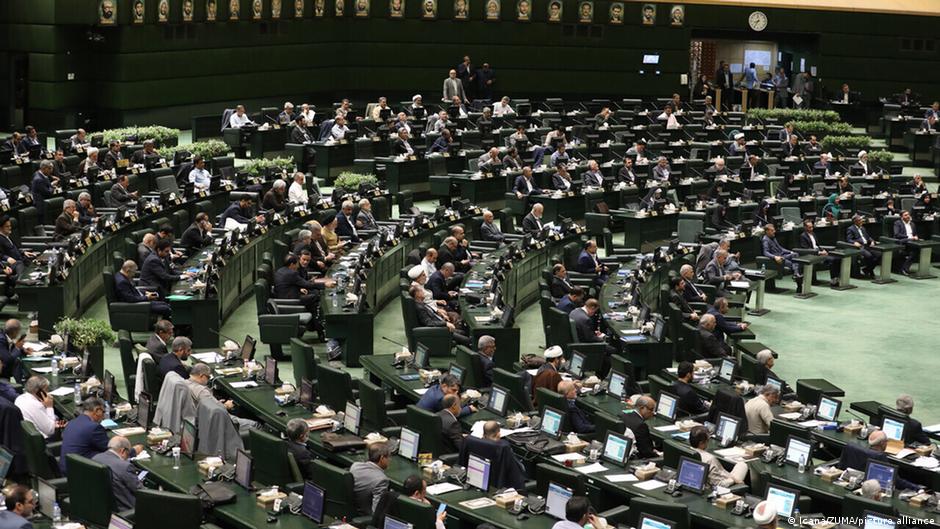
Iran War: Internal Strife Poses Greater Risk to Ceasefire
With the U.S. and Iran preparing for pivotal discussions, the true challenge lies in whether the Iranian leadership can sustain unity amid growing discord within its ranks. The upcoming talks in Islamabad, Pakistan, aim to solidify a two-week truce established after nearly six weeks of intense conflict. However, the fragile peace faces uncertainty as Israel and Hezbollah, a Lebanon-based militia backed by Iran, continue their artillery exchanges.
Despite efforts to stabilize the situation, Iran has yet to fully restore operations in the Strait of Hormuz, a critical route for global trade. This passage carries a fifth of the world’s oil and roughly a quarter of natural gas shipments before the war began. Publicly, Iran’s stance remains cautious, but internal divisions complicate this front. While the war has fostered a perception of solidarity, underlying tensions threaten to undermine this facade.
Leadership Fears and Factional Dynamics
Internal factions show differing priorities. Hardliners argue that Iran has gained strategic advantage and should pursue further confrontation rather than concessions. Conversely, those advocating for a lasting peace risk being labeled as conciliators. These tensions are evident in recent statements from Iran’s Supreme National Security Council, which urged all parties to prevent internal strife without directly naming dissenters.
“The authorities fear a widespread revolt,” said a former reformist activist now aligned with independent factions, highlighting concerns over public unrest. He noted that even young children were mobilized in demonstrations, underscoring the government’s anxiety over potential social upheaval.
Historically, the supreme leader’s office has resolved such disputes, but current circumstances are more uncertain. Mojtaba Khamenei, who took over after his father’s assassination on the war’s first day, has been absent from public life, sparking rumors about his role in the crisis.
Historical Parallels and Ideological Challenges
Iran’s past offers a cautionary tale. During the 1980s Iran-Iraq war, those who supported ending hostilities were vilified as traitors, even though the then-leader, Ayatollah Ruhollah Khomeini, endorsed the ceasefire. This pattern suggests that internal ideological resistance could again jeopardize peace efforts.
While some factions push for a ceasefire, others weaponize criticism of Israel’s attacks on Lebanon to challenge any U.S.-Iran agreement. The effectiveness of these tactics remains unclear, but they reflect the ongoing struggle to balance military and political interests.
External Influences and Domestic Pressures
International actors like Pakistan and China have influenced Iran’s decision to negotiate, according to political activist Reza Alijani. However, he emphasized that internal economic constraints are the main driver. “The Islamic Republic still possesses military strength,” Alijani stated, “but it lacks the resources for an extended conflict.” This imbalance has deepened the rift between Iran’s military and political leadership.
For the video, JavaScript and an HTML5-compatible browser are required. The split in decision-making, he warned, could shape Iran’s future trajectory. As the talks proceed, the regime’s ability to reconcile these divides will determine the ceasefire’s durability.