Iran war: Tehran claims victory but people fear what’s next
Iran War: Tehran Claims Victory But People Fear What’s Next
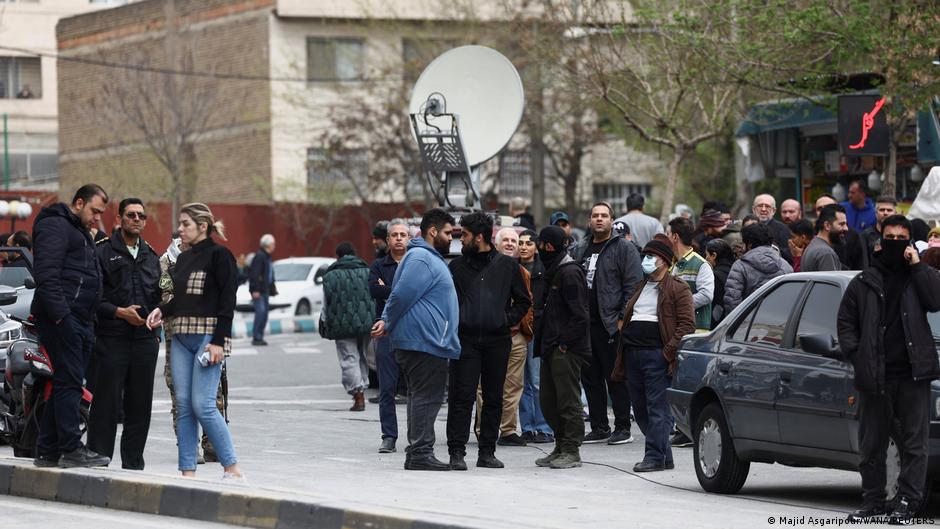
A fragile peace has emerged following over a month of aerial strikes, yet Iranians remain anxious about the regime’s next moves. The joint US-Israeli bombing campaign, which targeted Iran’s infrastructure and military, has paused under a conditional two-week ceasefire arranged through Pakistan. However, for many within the Islamic Republic, the war’s end feels more like a temporary reprieve than a definitive resolution.
Iranian officials swiftly framed the agreement as a political triumph, emphasizing that the country had withstood military pressure and compelled its rivals to retreat. State media portrayed the truce as evidence of Iran’s “victory on the battlefield,” suggesting that its resilience in the conflict would now translate into political dominance. But citizens paint a different picture, one marked by lingering dread and uncertainty.
“Now that there is a ceasefire and the regime did not change, there is real concern that the government will become harsher with people and that the atmosphere will become even more suffocating,” said an unnamed Iranian speaking to DW.
Residents worry the government might intensify its grip on dissent, using the ceasefire to justify stricter control. While the war has paused, the political system remains intact, leaving many to question whether the regime will now double down on repression. The cost of the conflict is evident—key leaders, including Supreme Leader Ayatollah Ali Khamenei, have been injured or killed, and vital infrastructure has suffered significant damage.
Public sentiment reveals a complex mix of blame and apprehension. Some attribute the crisis to the Islamic Republic’s own policies, while others point to US President Donald Trump and Israeli Prime Minister Benjamin Netanyahu for escalating tensions. Despite this, many Iranians reject both the state’s harsh tactics and the logic of prolonged military action. Their opposition is not solely about the war but also about the regime’s terms.
Analysts note that the ceasefire may serve as a tool for the Islamic Revolutionary Guard Corps (IRGC) to consolidate power. Babak Dorbeiki, a former official at Iran’s Strategic Research Center, told DW that parts of the Revolutionary Guard might not genuinely seek peace. “The IRGC is not anti-war. On the contrary, it wants war now,” he said. This suggests that the regime’s so-called victory could be a calculated move to reassert dominance and suppress opposition.
With post-ceasefire talks underway, both sides appear cautious. While US officials signal readiness to restart hostilities if diplomacy falters, Iran’s leaders aim to frame the situation as a strategic win. For now, the people endure a mix of exhaustion, doubt, and fear, watching as the war’s shadow lingers over their daily lives.