Iran war: Trump warns Iran ships to steer clear of blockade
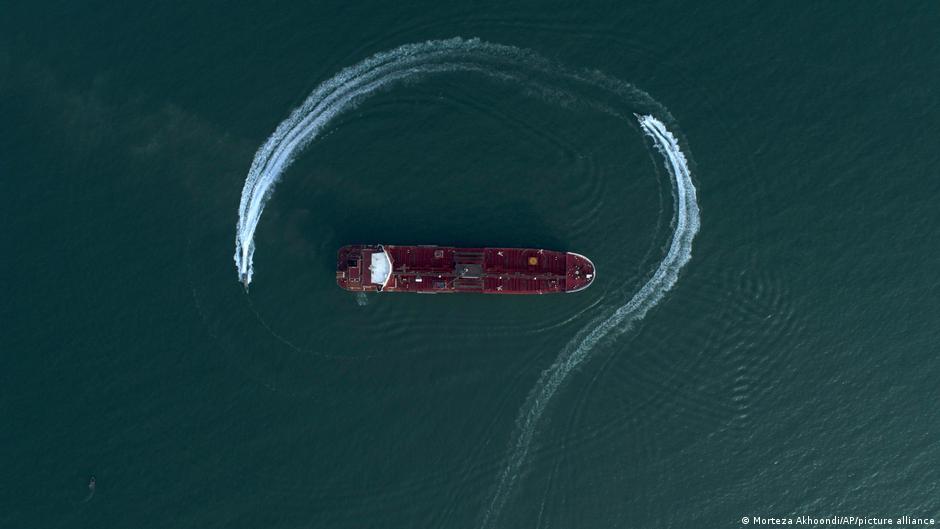
Iran War: Trump Issues Warning to Iranian Ships Amid Blockade
On April 13, 2026, US President Donald Trump intensified pressure on Iran by declaring that any Iranian vessels approaching the US-imposed blockade would face immediate consequences. The blockade, scheduled to begin at 1400 GMT/UTC, had already elapsed without resolution, as ceasefire discussions between the US and Iran collapsed. This development follows a failed attempt to reach an agreement during recent talks.
Trump’s Threat and Strategic Goals
Trump asserted that Iranian naval forces were “completely obliterated” and cited the destruction of 158 ships, though he acknowledged the presence of a few “fast attack ships” remaining. “Iran’s Navy is laying at the bottom of the sea,” he stated in an online post, before emphasizing that the blockade would target Iranian vessels “using the same kill system applied to drug dealers on boats at Sea.” He described the measure as “quick and brutal,” claiming it had halted 98.2% of drug shipments into the US.
“Iran violated the rules of the peace talks in Pakistan, and President Trump decided to impose a naval blockade,” said Israeli Prime Minister Benjamin Netanyahu during a Cabinet meeting, endorsing the US action.
Regional Reactions and Maritime Alerts
Pakistan’s Prime Minister Shehbaz Sharif highlighted the ongoing ceasefire as a critical achievement, stating that “diplomatic efforts continue despite the failure of Islamabad talks.” In televised remarks, he noted that “the ceasefire is still holding” and that “full efforts are underway to resolve outstanding issues.” Sharif also reiterated Pakistan’s commitment to fostering peace through mediation during a call with Japan’s Sanae Takaichi.
The UK Maritime Trade Operations (UKMTO) Centre in Dubai reported that the US Navy intended to enforce access restrictions to Iranian military ports starting at 1400 GMT/UTC. The organization warned that Iranian ports, oil terminals, and coastal areas in the Arabian Gulf, Gulf of Oman, and Strait of Hormuz would be subject to these measures. “Access restrictions apply without distinction to vessels of any flag,” the UKMTO stated, advising ships to remain vigilant and prepared for potential encounters with US forces.
ASEAN Calls for Unimpeded Transit
Foreign ministers from the 11 ASEAN nations issued a joint statement urging the US and Iran to ensure “safe, unimpeded, and continuous transit passage” for vessels and aircraft in the Strait of Hormuz. They emphasized the need for “permanent end of the conflict” and “lasting peace and stability,” praising Pakistan and other mediators for their ongoing efforts. The statement also urged both parties to “maintain conducive conditions” for the ceasefire, including “ceasing all hostilities” and “acting responsibly.”
Oil prices surged as markets resumed trading following the blockade’s announcement, reflecting concerns over potential disruptions to global energy supply. The situation underscores the geopolitical stakes of the conflict, with commercial and military operations now under heightened scrutiny in key waterways.