Is Pakistan setting up a buffer zone in Afghanistan?
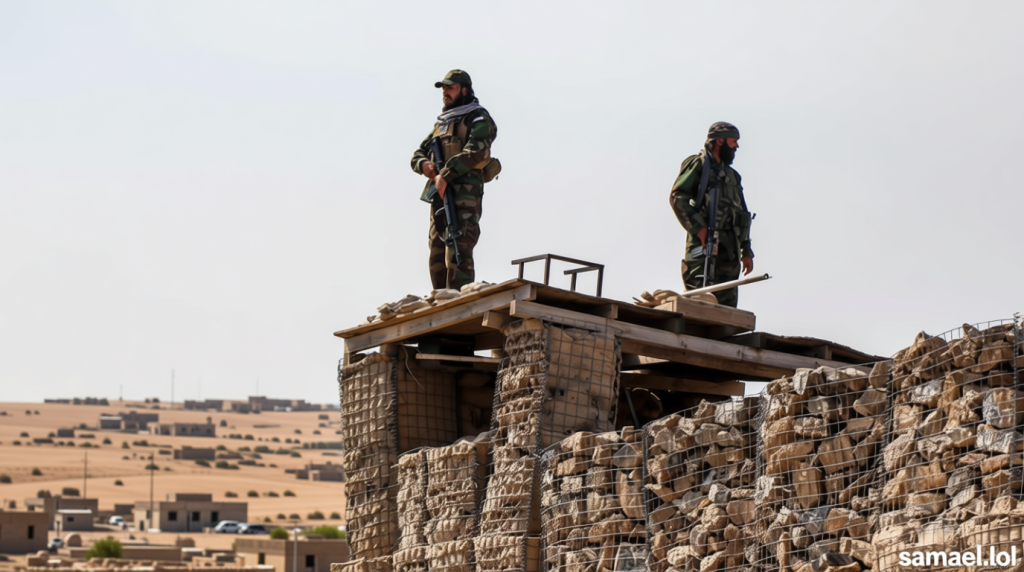
Is Pakistan setting up a buffer zone in Afghanistan?
Recent clashes along the Afghanistan-Pakistan border have intensified, fueled by reports that Islamabad is expanding its military presence into Afghan territory. While the country aims to mediate disputes among the US, Israel, and Iran, its forces are intensifying operations against the Afghan Taliban in the western region. Bombing campaigns have grown more frequent, with allegations that Pakistan is establishing a strategic buffer zone near the Durand Line, a border defined during British colonial rule in 1893.
Peace Efforts and Political Signals
A bilateral peace forum, the Pakistan-Afghanistan Peace Jirga, met on March 31 in Peshawar, Pakistan, close to the Afghan border. This traditional assembly of Pashtun tribal leaders seeks to resolve conflicts through consensus. The group issued a call for an immediate halt to hostilities and advocated for diplomatic dialogue. However, analysts question whether this resolution carries more than symbolic weight.
Border Dynamics and Accusations
Following a February bombing campaign, Pakistan’s defense minister declared an “open war” with Afghanistan. The nation claims the Taliban’s government in Kabul supports militant groups such as the Tehreek-e Taliban Pakistan (TTP), linked to recent attacks within its borders. The Taliban, however, denies providing assistance, asserting their forces remain stationed in areas like Kamdesh and Barg-e-Matal, defending Afghan territory. They argue reports of Pakistani occupation are exaggerated.
“Any attempt to take control of Afghan territory would be considered a violation of international law,” said Tahir Khan, a Pakistani foreign affairs analyst.
“This is exclusively a temporary measure until a solution is sought and some kind of joint mechanism is agreed upon,” added Ali K. Chishti, a security expert based in Riyadh.
Human Toll and Communication Challenges
Civilians in Nuristan Province, particularly in remote districts, report dwindling supplies of food, fuel, and medicine. Residents claim they are isolated from external aid. Meanwhile, strikes in Kunar Province have reportedly killed one civilian and injured 17 others, including women and children. The situation has drawn concern from Afghan journalists, who note difficulties in verifying ground conditions.
Historical Context and Border Controversy
The 2,640-kilometer Durand Line, named after Henry Mortimer Durand, the British Foreign Secretary, divides Pashto-speaking regions between the two nations. Though originally agreed upon by the British and Afghan rulers in 1893, Pakistan’s establishment in 1947 left the border’s legitimacy contested. Today, it serves as the de facto international boundary, despite lingering disputes.
As hostilities continue, the former governor of Nuristan Province, Jamaluddin Badr, warned that the situation for civilians is worsening. He emphasized that the region is not a TTP stronghold, questioning the rationale for targeting it. Without a resolution, the ongoing conflict risks long-term consequences for both nations.