Kenya: Energy execs step down amid fuel manipulation prob
Kenya Energy Executives Step Down Amid Fuel Manipulation Probe
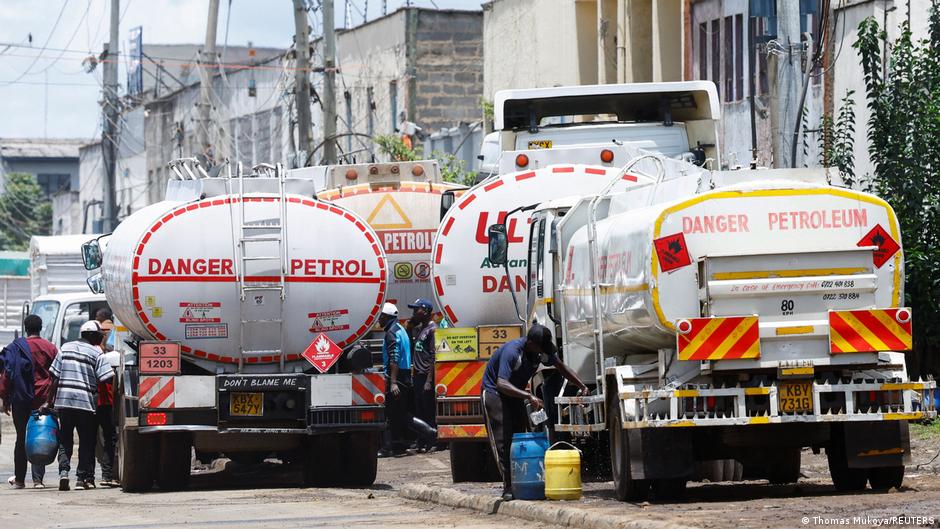
Kenyan energy officials have resigned following allegations of manipulating fuel stock records to secure an emergency shipment at higher prices. The scandal centers on accusations that the crisis was exploited to justify urgent fuel imports, even though existing contracts could have sufficed. President William Ruto’s administration stated the resignations were prompted by irregularities in the country’s petroleum supply chain.
Key Resignations and Government Response
Three top executives stepped down, including Joe Sang, managing director of the Kenya Pipeline Company (KPC); Daniel Kiptoo Bargoria, director general of the Energy and Petroleum Regulatory Authority; and Mohamed Liban, principal secretary for petroleum. Ruto personally approved Liban’s resignation. The government highlighted that the alleged data manipulation was intended to create a misleading sense of imminent supply shortages, leveraging public concern over rising global prices.
“The government is committed to protecting the public interest and safeguarding national resources. Any act of economic sabotage will be thoroughly investigated, and those found responsible will face firm and decisive action,” said the president’s office.
Suppliers Fulfill Contracts Despite Crisis
Despite the Iran conflict and Hormuz Strait closures, the government noted that Saudi Aramco Trading Fujairah, ADNOC Global Trading Ltd, and Emirates National Oil Company Singapore Ltd remained compliant with their contractual obligations. The emergency fuel procurement, however, was criticized as a move to capitalize on heightened costs and public anxiety, according to the statement.
Arrests and Further Resignations
The five senior figures were arrested for their alleged roles in the fuel price manipulation. Kenyan media reported that Joseph Wafula, deputy director of petroleum in the Ministry of Energy, and Joel Mburu, a supply and logistics manager at KPC, also resigned after being detained. Detectives seized hundreds of millions in Kenyan shillings, with 1 million shillings equivalent to approximately $7,700 or €6,700.
The deal with the three suppliers was part of a government-to-government framework established in 2023 to address market instability and currency challenges stemming from the 2022 Ukraine war. While Kenya generates around 90% of its energy from renewables, petroleum remains essential for transportation and other critical sectors.
To view the related video, enable JavaScript and upgrade to an HTML5-compatible browser.