Lebanon gripped by uncertainty over Iran-US ceasefire
Lebanon Plagued by Uncertainty as Iran-US Ceasefire Hangs in Balance
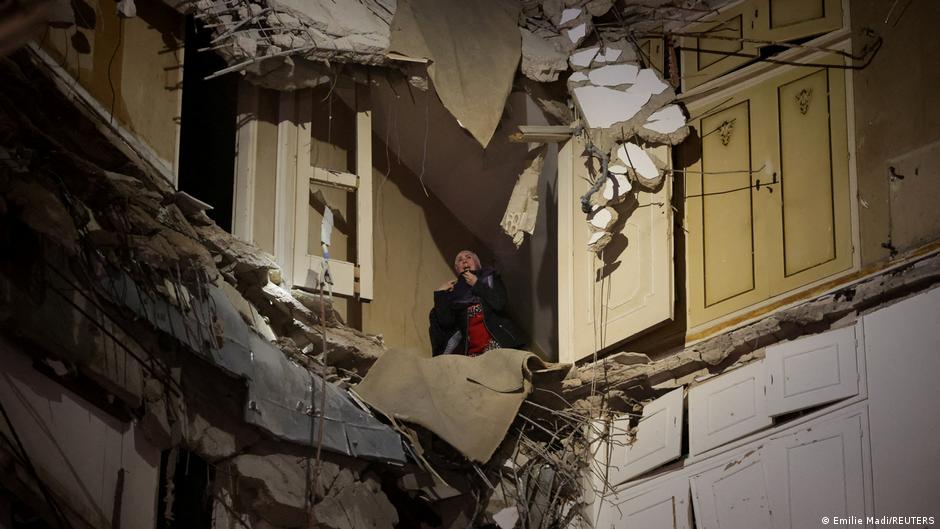
Amid the aftermath of recent Israeli strikes, Lebanon finds itself in a state of heightened anxiety, with the United Nations describing the situation as a “perfect storm.” The ongoing conflict has tested the nation’s resilience, as both local and international rescue efforts continue to search for survivors in Beirut. The rhythmic hum of machinery dismantling debris pierced the quiet of the city’s empty streets, while faint traces of smoke still hovered above the most affected areas.
“What are we going to do with our lives? Where are we staying, and where are we going?”
A man speaking to Reuters in Beirut voiced his concerns, highlighting the uncertainty that grips the population. Health officials reported that Wednesday’s attacks, which saw simultaneous Israeli strikes, left 303 dead and 1,150 injured. At Rafik Hariri Public Hospital, medical teams confirmed a surge in casualties, including numerous children, underscoring the severity of the crisis.
The latest clashes between Israel and Hezbollah have reignited debate over Lebanon’s inclusion in Tuesday’s Iran-US ceasefire agreement. While Iran insists the deal covers the country, the US and Israel argue otherwise. This disagreement adds to the complexity of the conflict, which escalated in early March when Hezbollah’s attack on Israel following the killing of Iran’s Supreme Leader, Ayatollah Ali Khamenei, pulled Lebanon into the broader Middle East war.
Humanitarian Struggles Intensify
Lebanon’s already dire humanitarian conditions have worsened. The nation has endured a series of political and economic challenges since 2019, compounded by the port explosion in August 2020 and the current war with Israel. “Thursday evening, new evacuation orders sparked a fresh wave of fear and displacement,” said Rabih Torbay, CEO of Project Hope, who arrived in Beirut just before the attacks.
Thousands of families now sleep in their vehicles, parking garages, and public spaces across Beirut. Some have managed to erect makeshift shelters along the downtown seafront, but the cold remains a persistent challenge. “Many fled with nothing but the clothes on their backs,” Torbay noted.
Blerta Aliko, the UN Development Programme’s representative in Lebanon, described the crisis as a “perfect storm,” a compounded disaster. As she spoke, aerial bombardments forced her to seek refuge in a shelter. For civilians enduring repeated confrontations between Israel and Hezbollah, life has become increasingly unbearable.
“I lost my home for what? For Iran? Hezbollah, wake up, this is your country, not Iran.”
Lynn Zoviaghian, a Lebanese entrepreneur and philanthropist, shared her anguish after fleeing to Riyadh, Saudi Arabia, ahead of the conflict’s latest surge. “I hate that they face this horrible experience without me being by their side,” she said, expressing doubts about the long-term viability of resilience alone.
Residents in southern Lebanon, who refused to leave despite Israeli evacuation orders, face growing risks of being cut off from essential supplies. The Israeli military’s targeting of key infrastructure, including all major bridges connecting the north and south of the Litani River in the Tyre region, threatens to isolate communities. Ramzi Kaiss, a Human Rights Watch researcher, noted that “tens of thousands of people continue to live there,” relying on the last remaining bridge, Qasmieh Bridge, for access to food. If it were destroyed, provisions would last only a week.