Trump’s naval blockade escalates economic pressure on Iran
Trump’s naval blockade escalates economic pressure on Iran
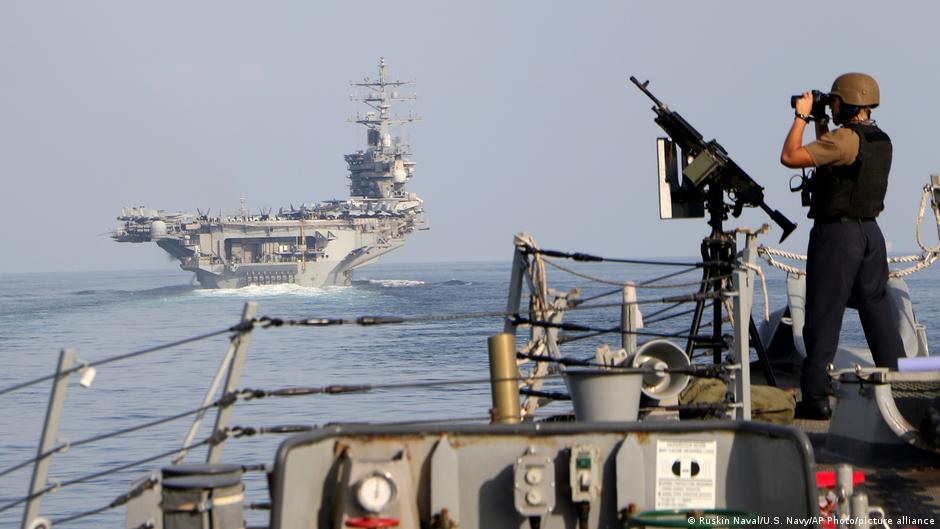
The recent US naval blockade aims to disrupt Iran’s key foreign currency inflows by blocking most of its oil exports. By halting ships from accessing Iranian ports or coastal facilities through the Strait of Hormuz, President Donald Trump hopes to push Tehran into renewed talks or deepen the crisis. This move follows the collapse of recent peace negotiations in Pakistan, which had been a critical step toward resolving tensions.
Until the conflict erupted in late February, Hormuz served as a vital artery for global oil trade, carrying a fifth of the world’s seaborne crude. The new restrictions could cut off Iran’s primary revenue stream, which relies on nearly 2 million barrels of oil shipped daily. Analysts suggest this economic pressure might compel Iran to return to negotiations, though it could also intensify the standoff.
“No one who pays an illegal toll will have safe passage on the high seas,” Trump wrote on Truth Social, vowing the US Navy would also target Iranian mines in the strait. The president framed the action as a way to prevent Tehran from exploiting the region’s strategic position for financial gain.
According to reports, Iran had previously charged up to $2 million per vessel for passage through Hormuz, a practice it ceased when the war began. The US Central Command (CENTCOM) clarified the blockade would focus on the Gulf of Oman and Arabian Sea, excluding ships bound for non-Iranian ports like Saudi Arabia, Qatar, and the UAE. However, the operation still threatens neutral vessels entering the restricted area without permission.
Maritime law experts caution that the blockade’s enforcement could challenge international norms. Using the right of visit and search, US ships may intercept and inspect tankers, potentially diverting or seizing them. While this procedure is standard in naval conflicts, it raises concerns about disrupting trade and infringing on neutral rights.
Iran continues to export oil despite sanctions, leveraging a network of aging tankers and ship-to-ship transfers off Malaysia. The US had earlier granted temporary access to stabilize markets, but the new restrictions are expected to heighten risks. With Kharg Island—the main export terminal in the Persian Gulf—now under threat, Iran’s ability to ship crude could be significantly reduced.
Capital Economics estimates Iran’s oil exports last year generated around $45 billion, accounting for 13% of its GDP. Without land pipelines, the country has limited alternatives, making the strait’s control even more crucial. Sustained pressure could force Tehran to confront Washington sooner rather than later.
The Iranian Revolutionary Guard Corps has vowed retaliation, warning that any port in the Gulf or Sea of Oman could become unsafe. A spokesperson for the National Security Commission emphasized readiness to respond militarily if negotiations falter, signaling Iran’s determination to defend its economic interests.
Within hours of the announcement, tanker activity in Hormuz slowed dramatically, as noted by Lloyd’s List Intelligence. The blockade’s success may depend on its ability to isolate Iran’s trade routes while avoiding prolonged disputes over maritime law. The situation remains fluid, with both sides bracing for escalating tensions.