Trust in EU grows in Southeast Asia, but challenges remain
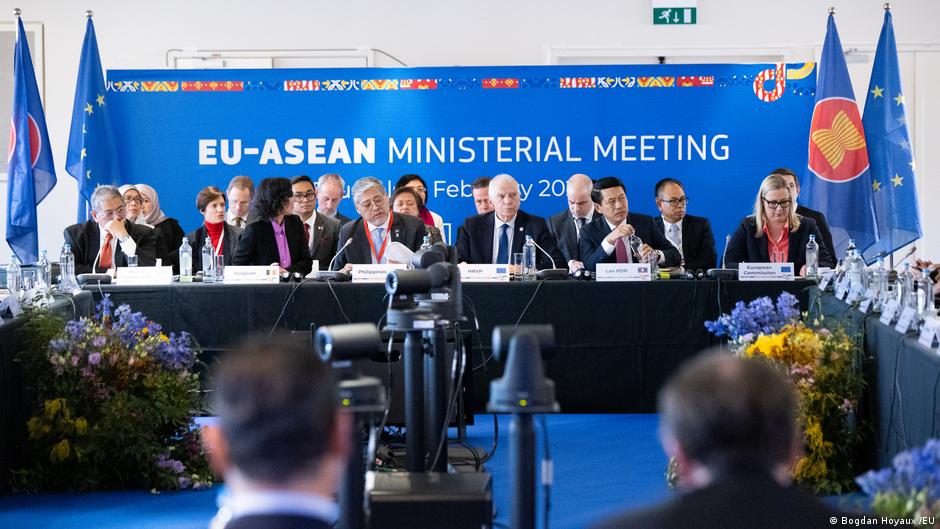
Trust in EU Grows in Southeast Asia, but Challenges Persist
Survey Highlights Rising Confidence
A regional survey reveals that Southeast Asian nations are increasingly viewing the European Union as a reliable counterbalance to the rivalry between the U.S. and China. This trend, noted in the latest State of Southeast Asia report by the ISEAS-Yusof Ishak Institute, shows the EU securing its position as the region’s most favored “third party” for strategic purposes for the sixth year in a row.
EU’s Trade and Investment Role
The EU is ASEAN’s third-largest trading partner and the second-largest source of foreign direct investment. This economic presence, combined with its normative appeal, has bolstered trust among respondents, with 55.9% believing the bloc can contribute to global peace and stability—a rise from 51.9% the previous year.
Expert Perspectives
“Southeast Asian confidence in the EU is ‘growing but remains limited, anchored more in its normative appeal than in its strategic weight,’” remarked Melinda Martinus, a lead researcher at ISEAS and survey co-author.
The findings indicate that while trust in the EU has increased, skepticism still lingers, particularly regarding its internal cohesion and global decisiveness.
Strategic Shifts and Regional Dynamics
The survey highlights a transition from a primarily economic or normative alliance to a more strategic partnership. This shift is driven by Southeast Asia’s search for dependable allies as U.S. leadership becomes more unpredictable and China’s influence grows.
“The EU’s strong alignment with international law, multilateralism, and climate leadership reinforces its image as a stabilizing force,” noted Martinus, adding that the bloc’s reputation is further shaped by its non-coercive approach.
Despite this, lingering doubts about the EU’s unity and global effectiveness highlight a gap between its perceived role and actual impact.
Indonesia’s Unique Position
Indonesia emerges as an exception, with distrust of the EU surpassing trust in the region. However, the country still ranks among the top nations in favoring the EU as a strategic hedge against U.S.-China competition, with 40.7% of respondents identifying it as ASEAN’s preferred third-party partner.
“Not only do the EU and ASEAN face similar challenges, but they also share a common goal in advancing international law and multilateralism,” said Alfred Gerstl, an expert in Indo-Pacific relations.
As both leading regional entities, they have a mutual interest in demonstrating their relevance in the Indo-Pacific while reducing reliance on China.