Turkey: DW correspondent Alican Uludag remains in custody
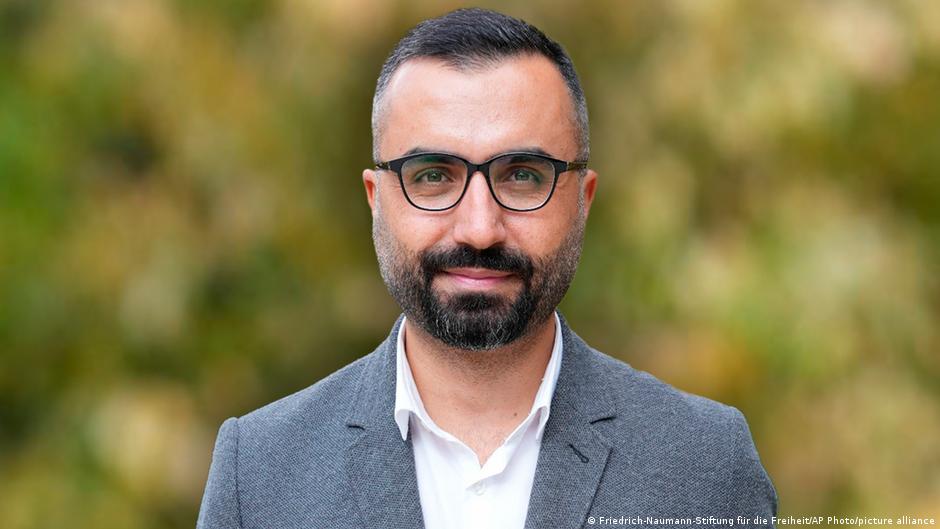
Turkey: DW Correspondent Alican Uludag Remains in Custody
Alican Uludag, a long-serving DW journalist in Turkey, has spent six weeks under pre-trial detention in Istanbul. He was charged with “insulting the president,” a crime that his legal team claims is overly broad. The case has been mired in delays, with the Turkish judicial system’s structure cited as a contributing factor to the prolonged legal process.
Charges and Legal Dispute
Uludag faces three counts: public insult to the president, dissemination of false information, and denigration of state institutions. Conviction could lead to up to 19 years in prison. Despite the charges, his trial has not yet commenced. Although he resides in Ankara, the case was initiated in Istanbul, the country’s largest city.
Under Turkish law, the court where the alleged crime occurred typically handles the case. However, Uludag’s lawyers contested this from the outset. An Istanbul court recently ruled it lacks jurisdiction, transferring the case to Ankara. Yet, it retained the charges and ordered further investigation, a move the defense calls contradictory.
“The entire process can be seen as intimidation,” said Abbas Yalcin, one of Uludag’s lawyers. “You can be arrested and detained simply for your journalistic work. This undermines fundamental rights.”
Uludag’s detention continues even as the case’s jurisdiction remains unresolved. His legal team argues that his fundamental freedoms, including personal liberty and fair trial rights, have been violated. They claim the arrest was based on social media posts, not formal summons, and that his detention lacks legal justification.
Freedom of Expression at Risk
Uludag, a court reporter for 18 years, has covered numerous political trials. His lawyers insist he was targeted for his critical reporting and stance, not for actual wrongdoing. They assert there is no risk of him fleeing or altering evidence, as he has historically cooperated with authorities.
The defense also references European Court of Human Rights (ECHR) rulings, which emphasize that political criticism should not be criminalized under laws targeting insults to leaders. They accuse Turkish judges of disregarding these standards, allowing broader restrictions on free speech.
Reporters Without Borders and other press freedom advocates view Uludag’s case as part of a larger trend. They note that such investigations often serve as a deterrent for journalists, reinforcing systemic issues in Turkey’s judicial framework. Similar charges recently led to the arrest of Ismail Ari, a Birgun reporter known for his government-critical views.
As the case moves forward, the outcome will determine whether Uludag’s pre-trial detention is deemed fair or excessive. His legal team remains optimistic, vowing to challenge the situation at the next court hearing.