Were Grandma and Grandpa Nazis?
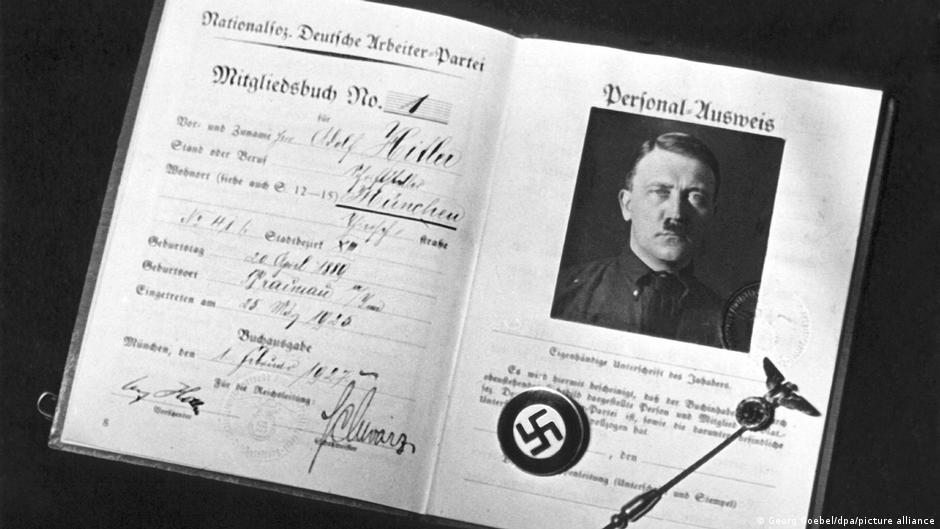
Were Grandma and Grandpa Nazis?
Generations have long avoided discussing their ancestors’ actions during the Nazi era. Now, new access to historical records has sparked curiosity about family ties to the regime. The US National Archives has digitized over 5,000 microfilm reels containing data on 6.6 million Germans who joined the National Socialist German Workers’ Party (NSDAP) by 1945. This resource allows anyone to explore millions of index cards without registration, revealing membership details like birth dates, places, and start times.
Historical Context and Restrictions
Despite the availability of these records, Germany’s remembrance of the Nazi period remains complex. Statutory restriction periods mean personal data is only released 100 years after an individual’s birth or 10 years after their death. In Germany, this data is not accessible online and requires written requests. Additionally, only relatives can be searched, not neighbors or strangers.
“The public is often more aware of the persecuted than the perpetrators, even when those perpetrators were people they knew,” says historian Johannes Spohr.
Generational Research and Beliefs
Spohr’s research service, “present past,” has helped people trace their family histories through the Nazi era for over a decade. His clients span all age groups, from 20 to 90, reflecting a growing interest in uncovering hidden truths. “We’re at a crossroads between communicative and cultural memory,” he explains. “Oral traditions fade, and personal connections to the past are less common. Archives have become essential for preserving these stories.”
Research shows that many Germans still believe their forebears were not Nazi perpetrators. A survey found that more than two-thirds of respondents think their ancestors were not involved, while 36% claim relatives were victims, and 30% believe ancestors aided persecuted groups, such as hiding Jews. However, these beliefs often stem from emotion rather than evidence.
“Remembrance should focus on those who directly contributed to the regime’s actions,” Spohr emphasizes. “It’s about confronting the uncomfortable truths that shape our understanding of history.”
Challenges in Unearthing Truths
Though the archives provide names and basic details, they do not clarify whether someone was a committed fanatic, a cautious opportunist, or a passive follower. Only about 80% of index cards have survived, meaning a missing name doesn’t guarantee a clear answer. “Even without a record, we can’t always confirm if a relative was a self-proclaimed Nazi,” Spohr notes. This complexity underscores the need for deeper investigation, as the past is rarely as simple as it seems.
The pursuit of these records is not just about historical curiosity. It reflects a broader effort to challenge post-war myths and reshape collective memory. “Today’s debates often mirror the denial of guilt that followed the war,” Spohr observes. By examining these files, individuals seek to bridge the gap between the past and present, uncovering roles that may have been buried for decades.