Why Africa remains divided over Macky Sall’s UN bid
Why Africa remains divided over Macky Sall’s UN bid
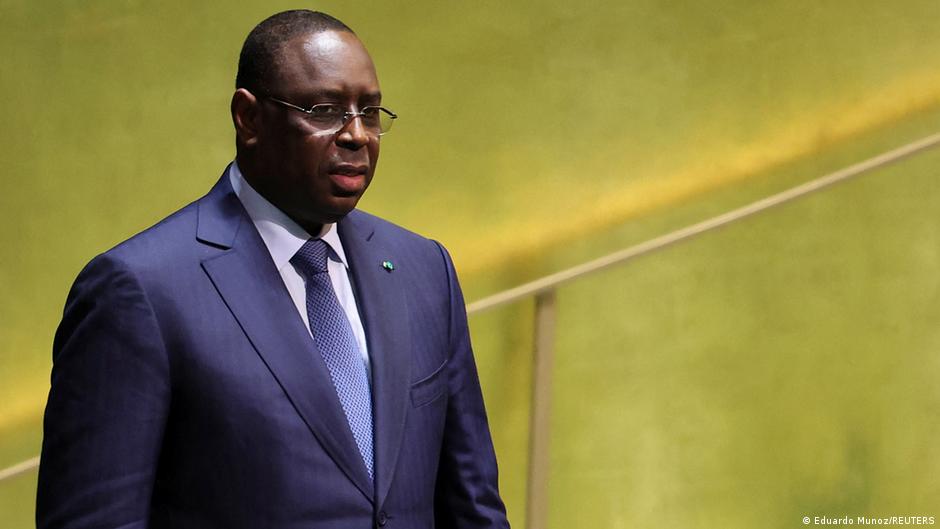
Burundi’s decision to put former Senegalese President Macky Sall forward as a contender for the United Nations Secretary-General role has highlighted tensions within the African Union (AU). While the nomination aimed to secure support from the continent, it failed to achieve a unified endorsement, with procedural disagreements and regional rivalries undermining the effort.
On March 2, Burundi submitted Sall’s candidacy to the UN General Assembly, but the timing of the submission—just two weeks after the AU summit—created confusion. Some members mistakenly believed the African Union had officially backed the bid. However, Senegal clarified it had not endorsed the application and was not associated with Burundi’s initiative, sparking further debate.
AU procedures and procedural disputes
According to the Institute for Security Studies (ISS), the AU’s process for endorsing UN candidates requires a thorough review by designated committees before the executive council can approve. Sall’s bid, submitted under the AU’s silence procedure, allowed 24 hours for member states to object. Yet, by the end of that period, over 20 AU nations had raised concerns, effectively blocking the nomination.
“The AU has an established procedure in this area that allows for in-depth evaluation of candidacies,” said Djiby Sow, a senior researcher at the ISS regional office for West Africa and the Sahel. “In this instance, the silence procedure did not allow for discussion on a matter of very big importance such as the candidacy for the position of Secretary-General.”
Rwanda, which voiced strong criticism, called Burundi’s action a “gross breach of procedure.” Foreign Minister Olivier Nduhungirehe stated on X that member states could not accept the “diktat” from the AU chairperson, leading them to break the silence and challenge the decision.
Nigeria also opposed the move, arguing that the AU’s procedures and principles were not followed. The country’s mission to the AU highlighted the importance of the “time-honored principle of continental rotation,” suggesting Africa’s turn had passed and the next Secretary-General should come from Latin America and the Caribbean.
Competitors in the race
Despite the AU’s division, Sall remains a valid candidate for the UN chief role. Member states are still free to cast individual votes for him. The race to replace Antonio Guterres will continue into January 2027, with three other candidates: Rebeca Grynspan of Costa Rica, Rafael Grossi of the IAEA, and Michelle Bachelet of Chile. These candidates will face interviews by UN member states in late April.