Zambia: Is the US trading HIV treatment for resources?
Zambia: Is the US trading HIV treatment for resources?
The United States is reportedly using health aid as leverage to gain access to Zambia’s essential minerals. While millions of Zambians depend on U.S. financial support for HIV, tuberculosis, and malaria treatment, the nation is resisting new agreements that tie this lifeline to demands for greater mineral access.
PEPFAR’s Legacy in Zambia
Zambia has benefited significantly from the U.S. President’s Emergency Plan for AIDS Relief (PEPFAR), a program that has been pivotal in funding life-saving medical treatments across Africa for over two decades. According to the United Nations, new HIV infections in Zambia have declined from 63,000 to 30,000 since 2010, reflecting progress in the fight against the disease.
A Shift in U.S. Strategy
Following the dismantling of USAID, the Trump administration has pushed to replace long-standing aid programs with bilateral agreements, such as Memorandums of Understanding (MOUs), under the America First Global Health Strategy. These deals aim to shift focus from foreign assistance to direct investments, as stated by the U.S. State Department in a written statement to DW.
Details of these MOUs remain undisclosed, but the State Department claims they represent over $20.6 billion in new health funding targeting HIV/AIDS, malaria, tuberculosis, and other infectious diseases. Across Africa, 23 countries have signed such agreements, though Zambia and Zimbabwe have expressed reservations.
Pressure on Zambia
In late March, The New York Times reported on a memo for Secretary of State Marco Rubio, outlining how the U.S. could withdraw health support “on a massive scale” to force Zambia and others to accept American terms. The proposal includes $1 billion in health funding over five years, less than half of the previous annual allocation. Zambia would also need to commit $340 million in additional spending, along with 25 years of data on biological specimens.
Zambia must decide by May whether to sign the agreement or risk losing critical funding. Despite increased health contributions, including some HIV programs, scaling up spending remains challenging. “Their systems are simply not at a place where they can take on the entire challenge of health funding,” said Conor Savoy, a former USAID official.
Minerals as a Trade-off
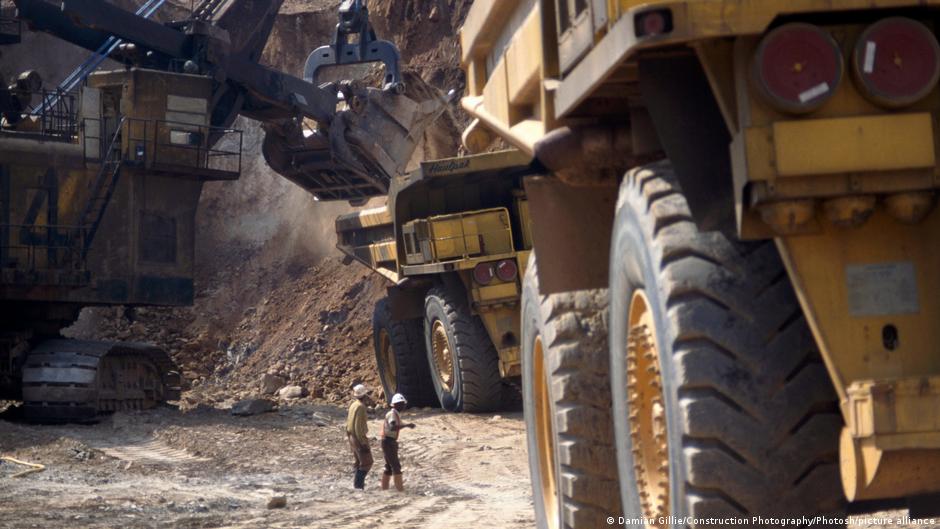
Key U.S. demands also include access to Zambia’s mineral reserves, such as significant nickel and cobalt deposits, and its status as a leading copper producer. Earlier this year, the Trump administration launched Project Vault to challenge China’s control of rare earth minerals. However, experts warn that tying health aid to mineral access could undermine trust in the region.
“We’re playing with fire here ultimately and it could further erode confidence and credit on the continent,” Savoy noted. Meanwhile, HealthGAP, a Zambian advocacy group, highlighted concerns over funding deals that prioritize mining interests. While Kenya accepted a similar agreement, activists in Zambia are pushing to reject terms that link health support to resource extraction.