Zimbabwe split as public weighs electoral reforms bill
Zimbabwe Split as Public Weighs Electoral Reforms Bill
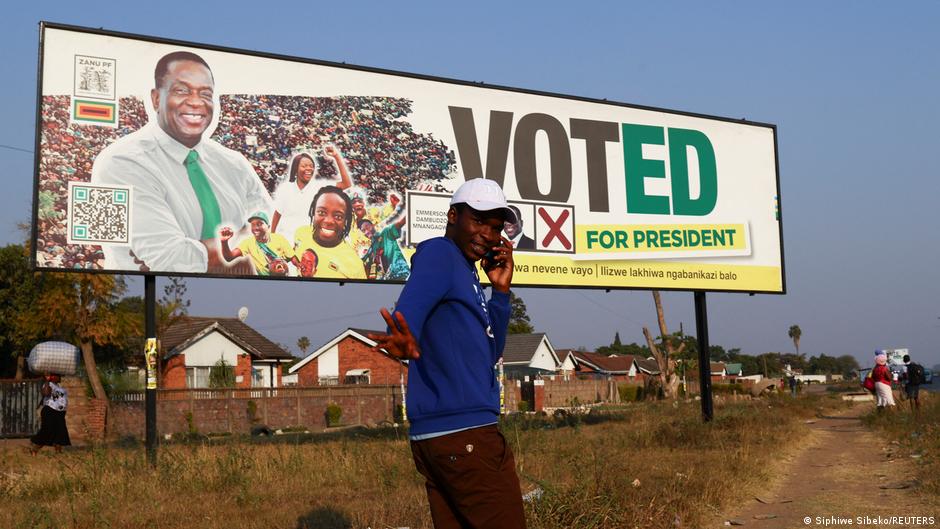
Public consultations in Zimbabwe have kicked off nationwide, focusing on a proposed amendment to the constitution that could prolong President Emmerson Mnangagwa’s rule and reshape the country’s electoral framework. While some see the measure as a step toward stability, others fear it may undermine recent democratic reforms.
Supporters and Critics Weigh In
Across the nation, communities have gathered to discuss the legislation, which includes extending presidential and parliamentary terms to seven years. This shift would delay the next elections from 2028 to 2030. In Chitungwiza, a rural area near Harare, most attendees backed the bill, despite its historical tendency to favor opposition candidates.
“The bill has been crafted with a budget in mind,” said Shylock Muyengwa, a medical doctor. “If you look at changes around the Zimbabwe Electoral Commission and the registrar, it saves us $15 million (€13 million).” He added that the seven-year transition could reduce resource expenditure by up to 36%, equivalent to roughly $20 million annually.
Term Extension and Electoral Changes
Under the current 2013 Constitution, presidential elections occur every five years. The proposed amendment would extend this to seven years, allowing Mnangagwa to stay in power beyond his current term. This change also introduces a mechanism where the president would be selected via a parliamentary election, replacing direct national voting.
Concerns Over Participation and Accountability
Despite the bill’s supporters, critics argue it risks consolidating one-party control. Rutendo Muzirwa, a participant in the discussions, expressed concerns about the parliamentary election process. “This bill is good for others, but I am against having a president elected by the parliament,” she said, drawing boos from the crowd.
Opponents have left the hearings, claiming their input is being overlooked. The four-day consultation period has drawn national complaints, with observers accusing the process of being too rushed. The opposition and civil society groups vow to oppose the bill, warning of its long-term implications for political freedom.
Amnesty International’s Call for Transparency
Amnesty International urged the government to ensure a fair and transparent process during the hearings. Vongai Chikwanda, the organization’s deputy regional director for East and Southern Africa, highlighted Article 61 of the constitution, which protects freedom of expression and peaceful assembly.
“Restrictions on public debate before, during, or after the hearings could stifle genuine participation, accountability, and the rule of law,” Chikwanda warned. “Authorities must take steps to guarantee all voices can be heard without fear of intimidation or suppression,” he added.
The debates continue as the nation reflects on the balance between stability and democratic integrity. With the amendment’s potential to reshape Zimbabwe’s political future, public opinion remains divided on whether it represents progress or a setback.