Iran’s Focus on Survival Ensures Same Regime Remains Unshaken
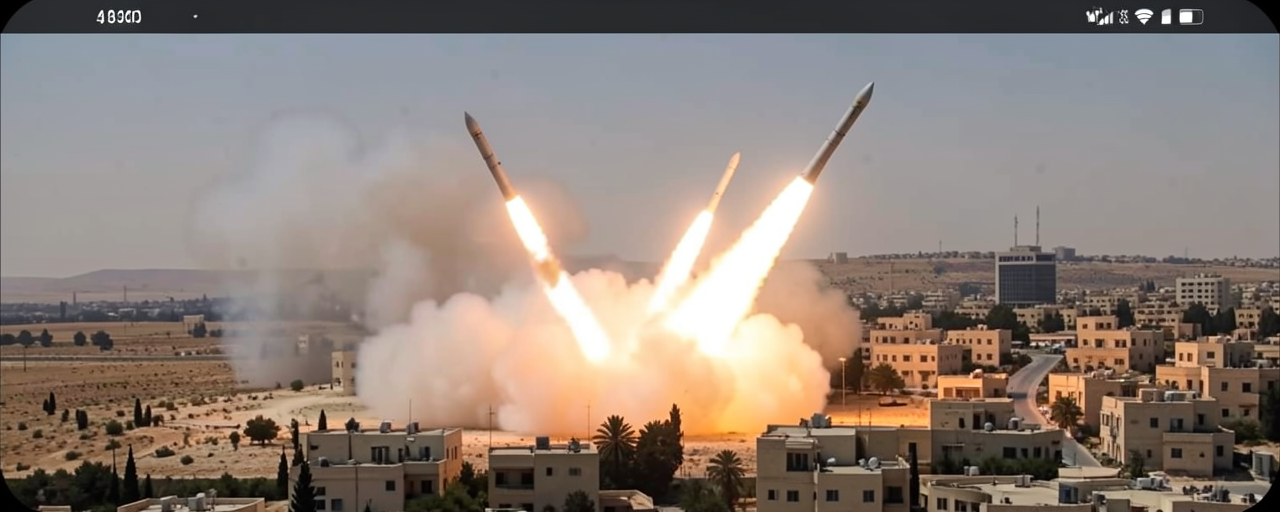
Samael.lol – Trump’s Wednesday night speech on the Iran conflict aimed to convey command, yet it exposed a fundamental tension. While he asserted that Iran’s naval forces, air units, missile systems, and nuclear infrastructure were largely neutralized, signaling the war’s conclusion, he simultaneously warned of intensified action in the near future. This duality creates a message of partial triumph, but without certainty. His declaration of Iran’s destruction contrasts with the looming threat of further strikes, leaving the outcome ambiguous.
The rhetoric escalated with Trump’s vow to reduce Iran to a “stone age” state, a statement that resonated strongly within Iran. Social media platforms saw a surge in nationalistic sentiment, even among opposition groups who had once seen Trump as a potential catalyst for change. Instead of prompting internal dissent, the remark deepened perceptions of external aggression, reinforcing a sense of existential threat rather than opportunity.
Regime Change Claims Lack Substantive Proof
Trump doubled down on his assertion that “regime change” had already occurred, citing the elimination of Supreme Leader Ayatollah Ali Khamenei and other top officials as evidence. However, the core structures of power in Tehran remain intact. The supreme leader’s office continues to dictate authority, though its influence may have evolved under current circumstances. No ideological transformation or institutional collapse has taken place, preserving the regime’s continuity.
Key positions, such as the presidency and parliamentary leadership, are still held by loyal figures. Masoud Pezeshkian remains in the White House, Mohammad Bagher Ghalibaf commands the legislature, and Abbas Araghchi steers foreign policy. Even those officials lost in strikes have been replaced by peers from the same political faction, often more resolute in their wartime resolve. This pattern suggests regime endurance, not transformation, despite the ongoing conflict.
Iran has the “necessary will” to end the war, Pezeshkian stated, his message strategically framed to signal determination without conceding ground.
The leader’s claim aligns with Tehran’s long-term strategy: survival against overwhelming adversaries defines success. For years, the Islamic Republic has viewed endurance as victory, believing that confrontation with Israel or the U.S. would provoke the other into action.
The Dilemma for Washington
Iran’s continued presence in the conflict underscores a critical challenge for Washington. Disengagement risks validating Tehran’s belief that persistence pays off, while prolonged involvement could drain resources without clear progress. Trump’s speech captures this tension, balancing claims of success with the threat of escalation to avoid prolonged commitment.
Despite the war’s impact on Iran’s military and economic stability, the regime’s red lines remain unaltered. The country’s demands for a negotiated settlement, including control over critical energy pathways like the Strait of Hormuz, have not wavered. This route, vital for 20% of global oil transit, ensures Tehran retains strategic leverage. The regime’s survival could reshape regional dynamics, as its ability to deter future attacks would be tested by sustained pressure.