No-one feels safe now: Residents of Romanian city hit by drone share fears
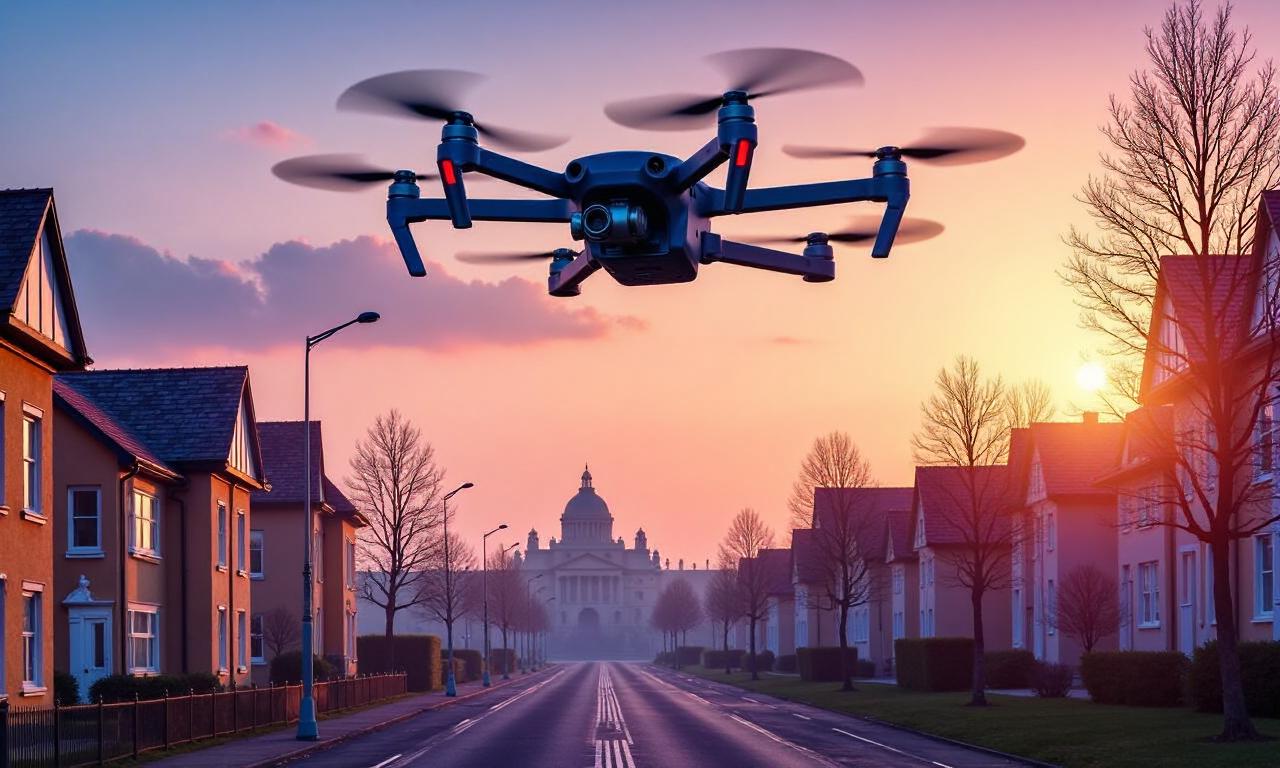
Samael.lol – Galati, a city in Romania, has become a stark reminder of the war’s proximity. What began as a distant conflict in Ukraine now feels uncomfortably close, with residents bracing themselves for the threat of unmanned aerial vehicles. A recent strike on an apartment building has left them shaken, underscoring the growing risks of Russian aggression in the region. The attack, which occurred early Friday, has ignited fears that the war could spill into their homes at any moment.
The damage is visible. A gaping hole in the roof of a residential complex, several meters wide, stands as evidence of the drone’s impact. The structure, once a safe haven, now bears the scars of a near-miss. The unit below was severely damaged, with a woman and her teenage son still recovering from bruises and minor burns. Their ordeal highlights the vulnerability of everyday life in a country that, despite its NATO and EU memberships, remains a target in the broader conflict.
Costel Patrichi, a resident responsible for managing the building, recounted the chaos of the attack. “It was really very terrifying,” he said, his voice tinged with frustration. “The alarm on my phone buzzed just before 02:00, warning of a drone approaching from the Ukrainian border. Moments later, the explosion shook everything.” The warning came too late, as the drone had already pierced the building’s roof. Its trajectory was critical: striking the lift shaft, which mitigated the blast’s full force. “If it had hit the side, the entire floor could have collapsed,” Costel added, his words echoing the palpable anxiety of the community.
The incident marks the most severe drone attack on Romanian soil since Russia’s full-scale invasion began in 2022. While the country has been a key NATO ally, the inability to intercept the drone raises questions about its preparedness. A few weeks prior, another similar drone was spotted, but it failed to detonate. “We compared the two, and they’re identical,” said President Nicosur Dan, emphasizing the undeniable link to Russian operations. This reinforces the notion that the threat is not merely accidental but a calculated strategy.
Romania’s strategic position has made it a focal point for both sides. The drones, which target Ukrainian ports across the Danube, are crucial to Russia’s campaign against Ukraine’s grain exports. On Friday, the country’s air defenses tracked a swarm of 43 such vehicles as they crossed from east to west. One, however, veered off course and landed in Galati. “It’s certain that this drone entered Romanian territory,” Dan stated, underscoring the incident’s significance.
NATO allies have responded with strong language, calling Russia’s actions “reckless” and attributing the escalation to Moscow’s aggressive stance. Yet, the reaction from Washington has been more measured. US Secretary of State Marco Rubio declined to comment when asked by reporters, a stance that reflects cautious diplomacy. This hesitation has left many in Galati questioning the effectiveness of NATO’s collective defense framework.
Despite the crisis, Romania has chosen to temper its response. Rather than invoking Article 4 of the NATO treaty, which would trigger an emergency meeting, the government opted for restraint to avoid panic. Article 5, the mutual defense clause, remains a potential next step but has not been activated yet. Instead, the administration has taken symbolic measures, such as shutting down a Russian consulate in Constanta. “This is a warning,” Dan explained, highlighting the escalation in diplomatic tensions.
Meanwhile, Romania is accelerating its own military capabilities. The government has already begun acquiring drones and is collaborating with Ukrainian firms to develop new models. This initiative signals a shift toward self-reliance in the face of Russian threats. “We need to be ready for the next strike,” Dan said, acknowledging the urgency of the situation.
Adrian, another local resident, shared his perspective. “This was insane—it happened right in the middle of town,” he said, his words capturing the shock of the moment. The fear is not just about the physical damage but the psychological toll. “Now, I can’t even sleep without thinking about what could happen again,” he confessed. The sense of insecurity is spreading, with many questioning whether their safety is guaranteed.
The attack has sparked a broader conversation about the war’s reach. While Ukraine’s eastern neighbors are familiar with the dangers of Russian drones, the incident in Galati has brought the threat closer to home. For the first time, the citizens of a NATO member state are feeling the direct impact of the conflict, raising concerns about the alliance’s ability to shield its members from such attacks.
Russia’s President Vladimir Putin has yet to concede the attack was his. “There is no evidence this was a Russian drone,” he claimed, despite the clear proof from Romania’s own analysis. The denial comes at a time when the evidence is mounting, with the Geran-2 model—also known as the Shahed—being identified as the culprit. This stance may further strain diplomatic relations, as Romania’s government seeks clarity and accountability.
The incident has also highlighted the fragility of international alliances. While NATO has been swift in some cases, such as the interception of a drone in Estonia, the delayed response in Galati has exposed gaps in readiness. The Ukrainian drone that entered Romanian territory was not a targeted attack but a consequence of Russia’s broader strategy, underscoring the interconnected nature of the conflict.
As the war continues to evolve, the people of Galati are left to navigate a new reality. Their fears mirror those of Ukrainians, who have endured relentless drone strikes for months. Yet, the attack in Romania adds a layer of uncertainty, as it demonstrates the potential for the conflict to expand beyond Ukraine’s borders. For now, the city remains on high alert, with residents debating whether to stay or flee. The question is no longer if the war will reach them—it’s when.
The diplomatic response is also taking shape. Romania’s leaders have called for NATO to act more decisively, urging the alliance to bolster its defenses in the region. The EU, meanwhile, is advancing new sanctions against Moscow, aiming to cut off economic support for the war effort. However, the psychological impact of the strike may prove more difficult to mitigate. The people of Galati are not just victims of a drone; they are living proof that the conflict is now a shared burden.
Costel Patrichi’s frustration is emblematic of the broader sentiment. “They told us we are protected by NATO, not to worry. But look where we are now!” he said, pointing to the damage. The words carry the weight of unmet expectations, as the alliance’s promise of security is tested. For residents like him, the reality is stark: the war has arrived at their doorstep, and the threat of another strike looms ever closer.