Jewish Life in Europe: ‘J’accuse. Never Again Is a Lie’
Samael.lol – Last week, a Belgian military unit was deployed to Antwerp to safeguard Jewish schools and synagogues. This detail, though recent, is part of a broader pattern that has shaped daily existence for many European Jews. The sense of being targeted is now routine, affecting everything from where one eats to which taxi service one uses.
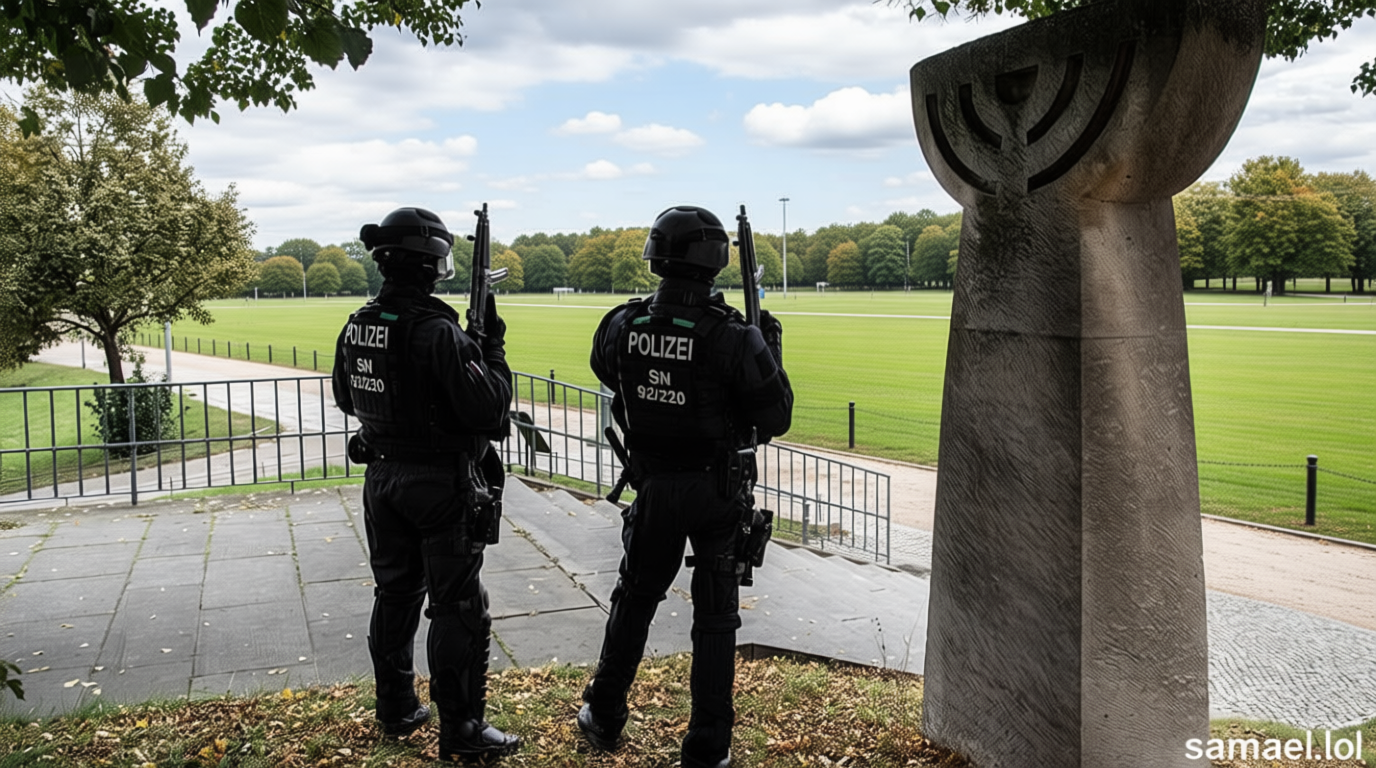
Two months ago, my nine-year-old daughter shared a quiet observation about her school’s drills. She described how classmates huddled under desks in silence, learning to hide behind barricades and bulletproof windows—a permanent fixture of Jewish life in the West. Armed guards, including both German police and private Israeli/Jewish security, patrol these institutions, reflecting a calculated response to persistent threats.
“Overheard us speaking Hebrew and instinctively switched his screen to a Hezbollah video, filling the back seat with propaganda,”
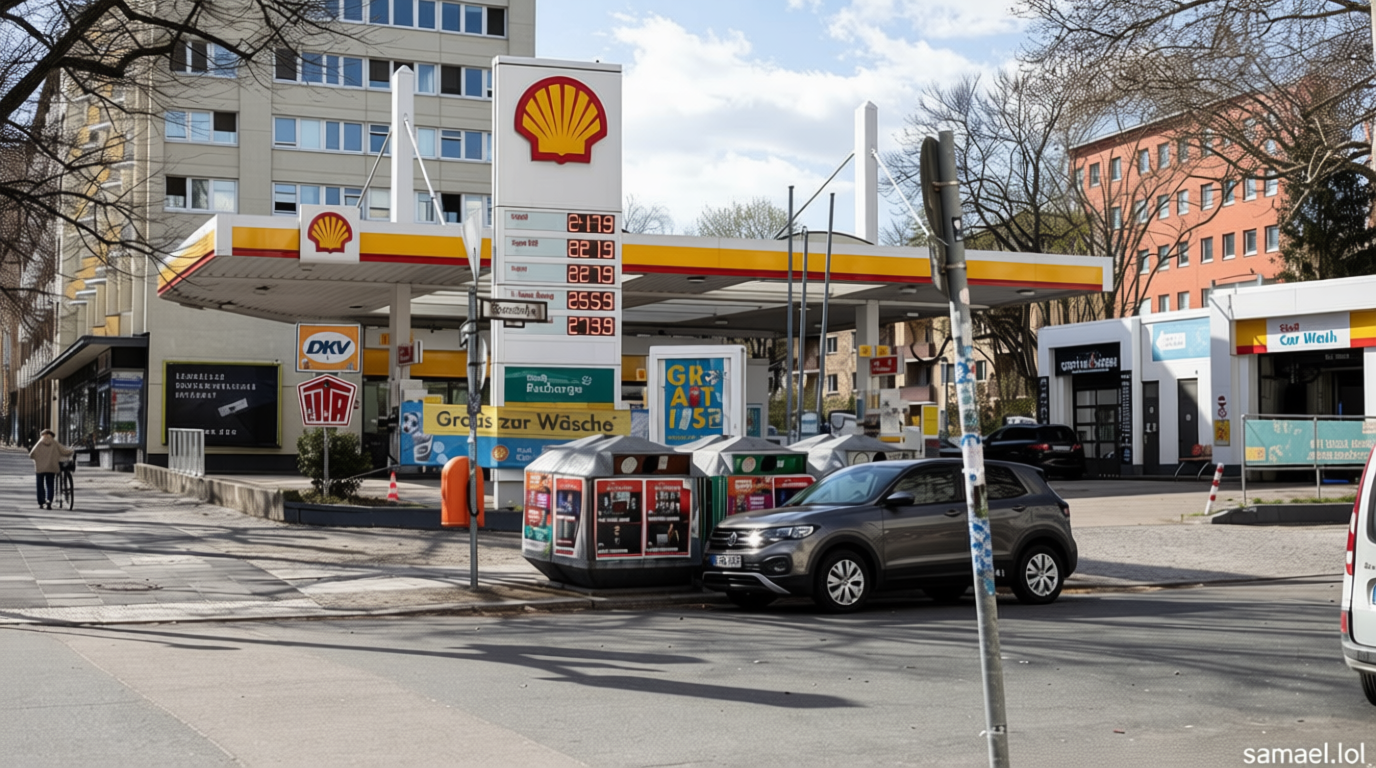
During a trip to Berlin, a taxi driver demonstrated this reality by playing a Hezbollah broadcast while transporting us. In January 2026, a rabbi in Queens was assaulted on Holocaust Remembrance Day. February saw a thirteen-year-old girl in Paris attacked by peers who overheard her Jewish identity. Meanwhile, in March 2026, two Israelis were assaulted in San Jose for their stance on Iran.
The normalization of these precautions is evident in everyday choices. Many Jewish friends in Europe have altered their names in Uber and delivery apps to avoid recognition. Similarly, a Dutch nurse faces legal scrutiny for expressing intent to kill Israeli patients. In Belgium, a doctor recorded “Jewish (Israeli)” as a medical diagnosis for a young girl, highlighting the infiltration of prejudice into healthcare.
Across the globe, incidents reflect this climate. In July 2025, Israeli musicians were asked to leave a Vienna pizzeria after speaking in Hebrew. A month later, fifty-two Jewish children in Valencia were removed from a flight for singing in the same language. In October 2025, a driver attacked a Manchester synagogue during Yom Kippur, killing two. December of the same year saw fifteen fatalities at an Australian Hanukkah celebration.
March 2026 alone marked multiple attacks: a synagogue bombed in Belgium, one set ablaze in Rotterdam, and an Amsterdam school destroyed. Toronto’s Jewish community also faced shootings, while a Michigan synagogue was rammed during a service with 140 children inside. The average Jewish institution in Europe now boasts more security than most government buildings.
As a European Jew, one navigates a world where every activity carries the weight of potential danger. From choosing a doctor to selecting a school, decisions are influenced by the fear of being identified as a target. This reality, far from exceptional, is documented across eighteen months of events, spanning every aspect of life. The phrase “Never again” is no longer a hopeful promise—it is a grim acknowledgment of the present.