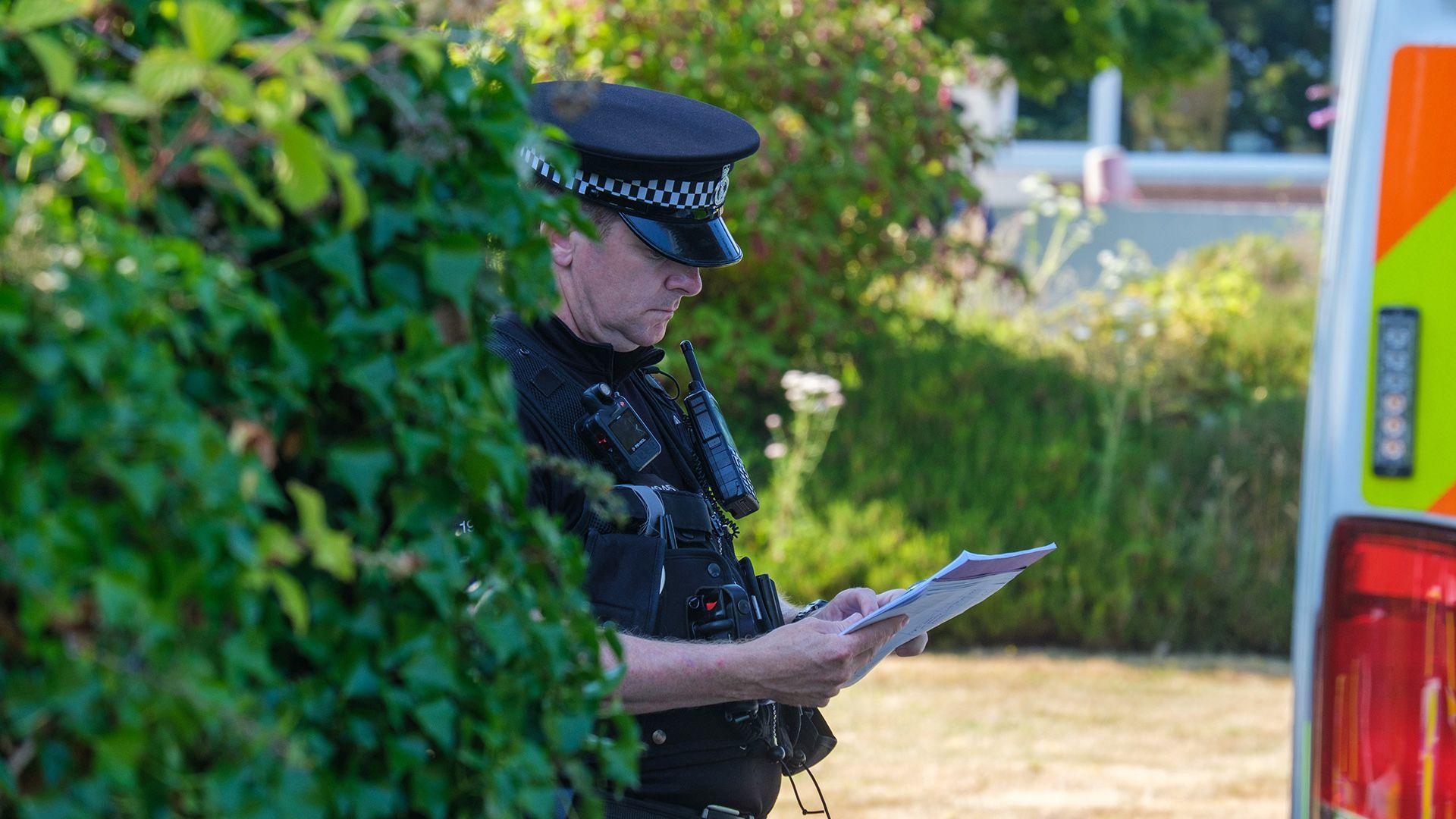
Henry Nowak Inquest to Investigate Police Actions
Samael.lol – The coroner’s inquest into the death of 18-year-old Henry Nowak will determine if any actions or inactions by police officers, or delays in medical treatment, played a role in his fatal injuries. Nowak, a student from Chafford Hundred in Essex, was arrested and restrained after his assailant, 23-year-old Vickrum Digwa, failed to inform officers that he had stabbed the teenager with an 8-inch blade in Southampton. The case, which has drawn significant public attention, will now be scrutinized through a full inquest with a jury, set to commence on 20 September 2027. However, the coroner, Jason Pegg, has expressed hope that the proceedings might be expedited to allow for a quicker resolution.
Key Details of the Incident
The events leading to Nowak’s death occurred on 3 December, during a confrontation in Southampton. According to court records, the 18-year-old was stabbed by Digwa, who later claimed Nowak had initiated the attack. Despite Digwa’s assertion, the police did not immediately recognize the severity of Nowak’s condition. During the initial arrest, Nowak repeatedly emphasized that he had been injured and was unable to breathe, but his statements were not fully addressed by the officers present.
Upon losing consciousness, Nowak was placed in handcuffs, and an officer began administering CPR. However, the officer was unaware that the teenager had suffered a critical chest wound, which prevented effective resuscitation. The coroner highlighted this as a central issue during the investigation, noting that the lack of immediate recognition of the injury could have had a direct impact on Nowak’s survival. “The issue in this case is likely to be whether any act or omission by a police officer, or any delay in the treatment Henry Nowak received, caused or contributed to his death,” Pegg stated during the resumption of the inquest hearing.
Legal Proceedings and Sentencing
Vickrum Digwa was sentenced to a life term with a minimum of 21 years in prison on Monday, following a trial that concluded the attacker’s actions were deliberate and harmful. The sentencing hearing revealed that the pathologist’s analysis indicated Nowak’s condition was so severe that no emergency medical intervention would have saved his life. “In simple terms, he would not have survived, however quickly he received first aid, CPR, or expert medical treatment,” Judge William Mousley KC explained, underscoring the gravity of the situation.
The coroner emphasized the importance of a thorough investigation, stating that the state has a responsibility to conduct a public inquiry where Nowak’s family can actively participate. This, he argued, is essential to ensure transparency and accountability in the case. “A full inquest with a jury will allow for a comprehensive examination of the circumstances surrounding Henry’s death,” Pegg added. The family, however, was absent during the eight-minute hearing in Winchester, raising questions about their involvement in the process.
Broader Implications of the Case
Nowak’s death has sparked a broader debate about police response to violent incidents and the protocols in place for emergency care. The case underscores the challenges faced by first responders in accurately assessing the severity of a victim’s injuries, particularly in high-stress situations. Experts have pointed out that while CPR is a critical intervention, its effectiveness depends on the prompt identification of the correct medical condition. In Nowak’s case, the delay in recognizing the chest wound may have been pivotal.
The inquest will also explore the sequence of events that led to Nowak’s arrest. According to the timeline presented during the trial, Digwa’s failure to disclose the stabbing was a key factor in the police’s initial response. This omission, combined with the physical restraint of the victim, has been cited as a potential contributing factor to the tragedy. The coroner’s office will now examine whether the officers’ actions or decisions during the arrest and subsequent treatment were adequate under the circumstances.
Public interest in the case has been heightened by the severity of the weapon used—21cm blade, which is approximately 8 inches in length. This size is significant, as it can cause deep lacerations and internal bleeding, making immediate medical attention crucial. The inquest will investigate whether the police’s failure to act swiftly or their decision to handcuff Nowak before confirming the extent of his injuries was a contributing factor to his demise.
Family’s Role and Ongoing Concerns
Henry Nowak’s family has been vocal about their dissatisfaction with the initial trial process, which they felt did not fully address their concerns. The coroner noted that their participation in the inquest is vital, as it provides an opportunity for a more detailed examination of the events. “The state must ensure that Henry’s family has a meaningful role in this investigation,” Pegg stated, emphasizing the need for public trust in the process.
During the previous trial, the family was not present for the eight-minute hearing, which left them without direct input into the evidence presented. This absence has raised questions about the thoroughness of the trial and the clarity of the police’s actions. The inquest, by contrast, will involve a jury, allowing for a more interactive and detailed analysis of the case. The family has since expressed their hope that this process will provide a clearer understanding of what happened on the day of Nowak’s death.
The coroner’s decision to hold the full inquest on 20 September 2027 marks a new phase in the investigation. This date was chosen to allow for a complete review of all available evidence, including police reports, witness testimonies, and medical records. While the coroner remains optimistic about the possibility of shortening the timeline, the complexity of the case suggests that the process will require careful consideration of each detail. The outcome of the inquest could have significant implications for policing practices and the standards of care provided to victims of violent attacks.
As the inquest prepares to begin, attention is focused on the actions of the officers involved and the immediate response to Nowak’s injuries. The case serves as a reminder of the critical importance of quick and accurate decision-making in emergency situations. The jury will need to evaluate not only the physical condition of the victim but also the decisions made by the police during the incident. The final verdict, expected to be delivered by the end of the inquest, will determine whether the officers’ actions were adequate or if they fell short of the expected standard of care.
The BBC continues to follow the developments in the Henry Nowak case, highlighting the ongoing public interest in the investigation. For updates, readers can visit the BBC Hampshire & Isle of Wight section on Facebook, X (Twitter), or Instagram.