Iran war: US, Israel hit major bridge, steel plants in Iran
Targeted infrastructure under siege
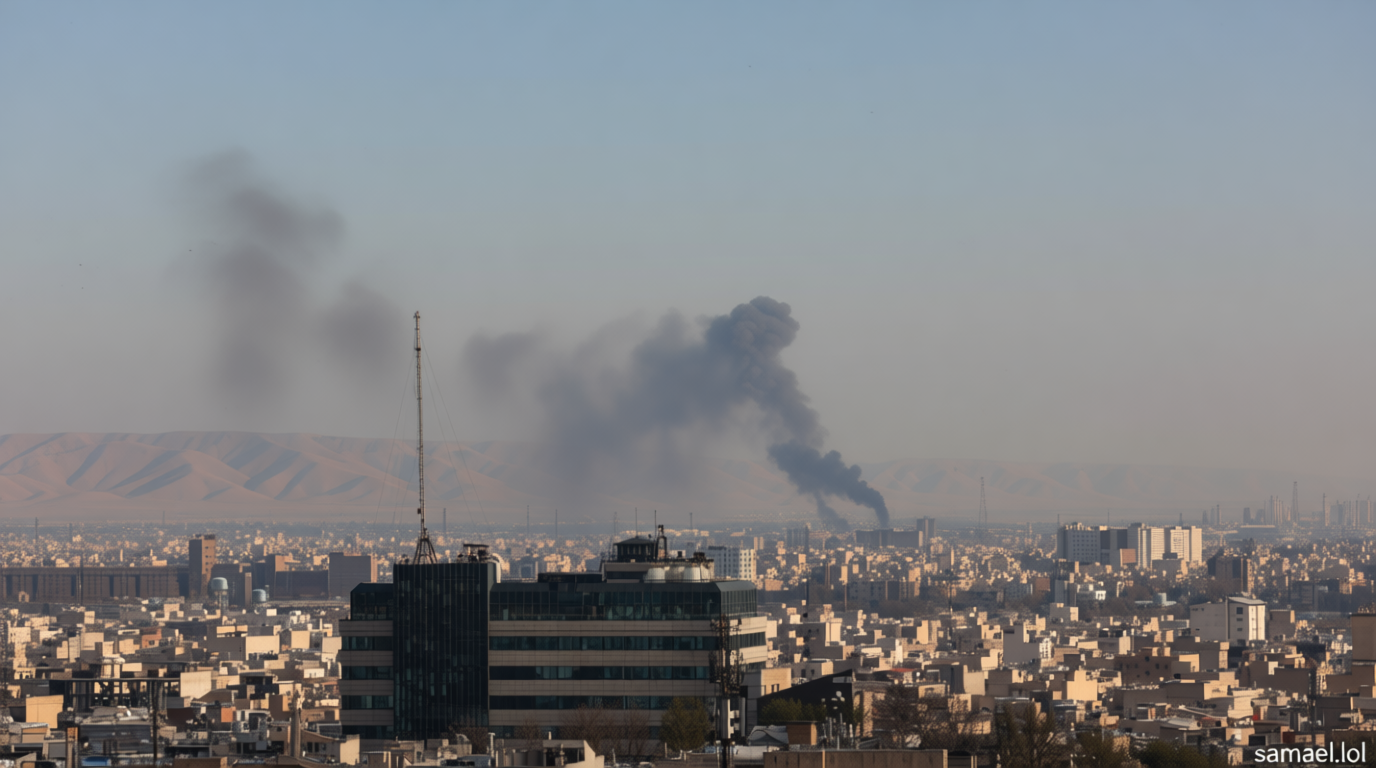
Samael.lol – On Thursday, April 2, US and Israeli forces struck a key bridge linking Tehran to Karaj, causing significant damage. The attack followed President Trump’s declaration that US military actions would reduce Iran to its “Stone Ages.” This marked a pivotal moment in the ongoing conflict.
Iranian response to strikes
Iran’s Foreign Minister, Abbas Araghchi, criticized the assault on civilian sites, calling it a sign of “defeat and moral collapse” for an “enemy in disarray.” He shared a photo of the collapsed bridge on X, emphasizing that while infrastructure could be rebuilt, “damage to America’s standing” would endure.
“Every bridge and building will be built back stronger. What will never recover: damage to America’s standing,” Araghchi stated.
The strikes also disrupted operations at two major Iranian steel plants, according to reports from the state-affiliated Mizan agency. Earlier in the day, the oldest medical research institute in the country was reportedly targeted. Despite claims by the US and Israel that they were focusing on military objectives, the attacks underscored the escalation of civilian infrastructure damage.
Strategic chokepoints in focus
Meanwhile, the European Union’s foreign policy chief, Kaja Kallas, advocated for expanding the bloc’s Aspides naval mission to safeguard key maritime routes. She highlighted the importance of reopening the Strait of Hormuz, which has been nearly blockaded by Iran since the war began.
“This waterway is a global public good. Iran cannot be allowed to charge countries a bounty to let ships pass. International law doesn’t recognize pay-to-pass schemes,” Kallas wrote on X.
Kremlin aide Yuri Ushakov confirmed to Russian state TV that the Strait of Hormuz remains open to Russia, despite Iran’s efforts to restrict access. Tehran has imposed transit fees on ships aligned with the US and Israel, while allowing passage for vessels from China, India, and other friendly nations.
International calls for ceasefire
Chinese Foreign Minister Wang Yi urged a swift ceasefire during talks with EU and German officials. He stressed the need for joint diplomatic efforts to restore safe passage through the Strait of Hormuz, a critical route for global energy supplies. The blockade has disrupted vital oil and gas shipments, raising concerns over energy security.