Europe’s farms are reeling from the Iran war. Regenerative farmers saw it coming
A looming crisis in European agriculture
Samael.lol – The ongoing conflict in Iran has sparked a significant challenge for European farms, disrupting fertiliser availability and causing fuel prices to rise sharply. While some operations remain relatively stable, regenerative farming practices offer a buffer against these global shifts. These methods rely less on imported synthetic fertilisers, maintaining comparable crop outputs at lower costs. By utilising compost, animal waste, rotational grazing, and cover crops—planted during off-seasons to enrich soil—regenerative farms foster natural fertility. This approach not only reduces vulnerability to supply chain disruptions but also strengthens environmental sustainability, boosts biodiversity, and enhances public health.
Supply chain disruptions and resource dependency
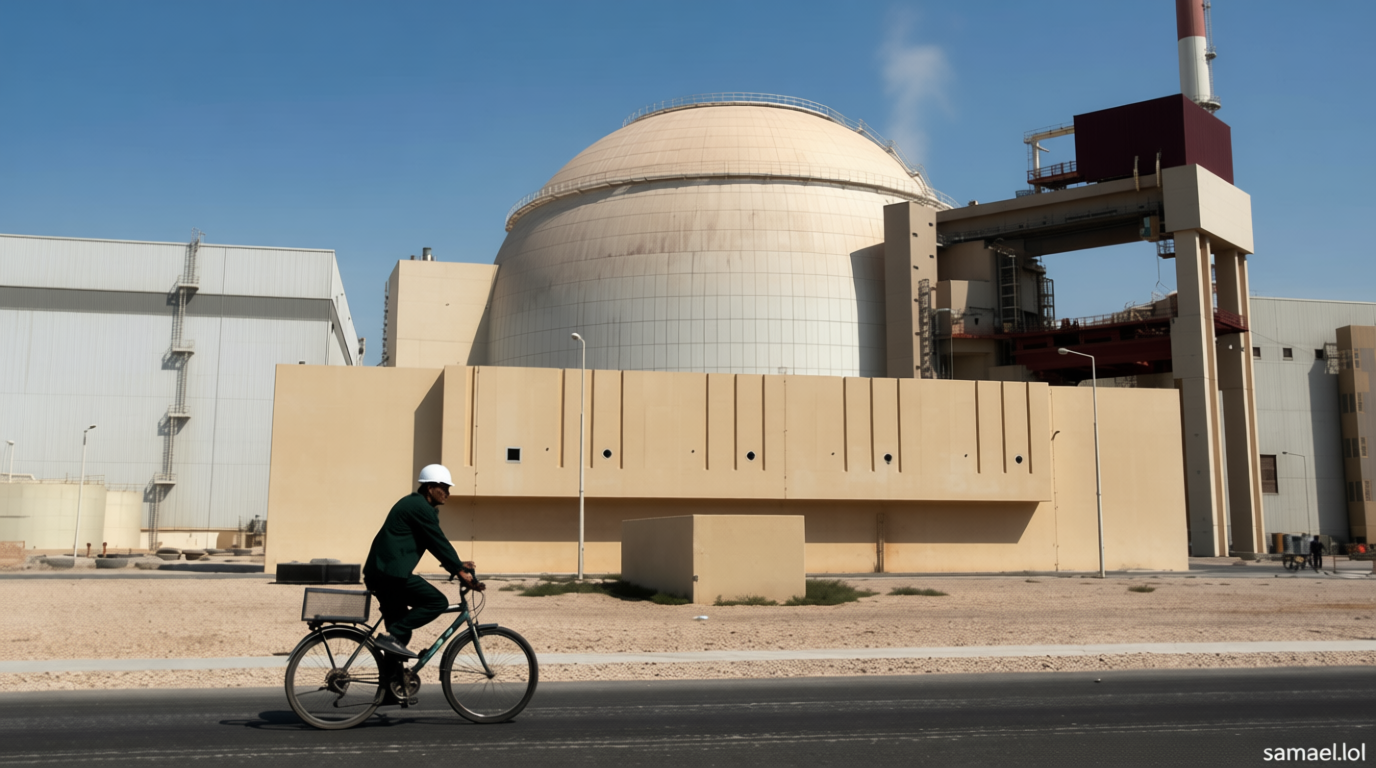
The closure of the Strait of Hormuz has halted a third of the world’s fertiliser trade and impacted oil exports, which account for roughly 20% of global supplies. Natural gas, essential for producing synthetic nitrogen fertilisers, is now under strain. Gabrielle Taus, managing director of Commonland, highlights the risks: “Every fossil fuel crisis reveals how fragile conventional agriculture is. Farmers dependent on synthetic inputs face unpredictable price spikes.”
Regenerative innovations in practice
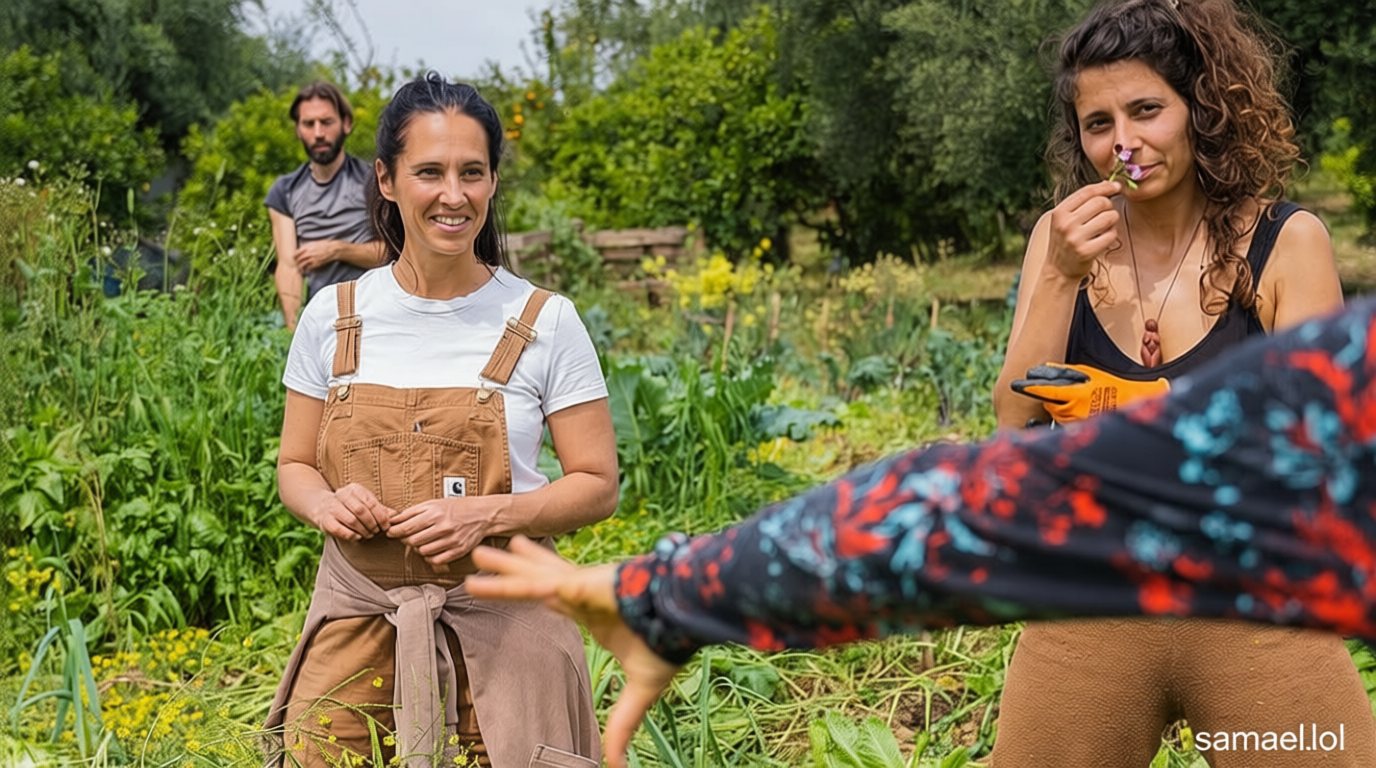
On a farm in Greece, third-generation farmer Sheila Darmos generates nitrogen through plant-based systems. “We use permaculture, syntropic agriculture, and agroforestry, incorporating decomposed organic matter like tree prunings into the soil for over three decades,” she explains. “We also cultivate nitrogen-fixing plants, allowing the farm to produce its own nitrogen without reliance on external fertilisers.”
At Curly Creek Ranch in Spain’s Basque Country, Meghan Sapp has implemented a circular model. “We create compost from livestock bedding, kitchen scraps, and garden waste,” she says. “Fava beans, which naturally enrich soil with nitrogen, are grown and then left to decompose, boosting fertility in place.”
Transforming landscapes and ecosystems
Yanniek Schoonhoven, owner of the organic La Junquera farm in Murcia, Spain, attests to the ecological benefits. “A field once feeling empty and lifeless is now teeming with wildlife,” she notes. “The ecosystem supports us—pests are minimal, and wildflowers thrive alongside rabbits and other animals.”
Slow adoption and systemic barriers
Despite regenerative farming’s advantages, its adoption in Europe remains limited. Only 2% of farms are fully regenerative, while 5-10% are in transition, according to a Nature study. The process demands time and resources, with many farmers lacking access to financial support or training. “Farmers can’t do this alone,” says Yanniek. “Policies and incentives must reward land stewardship that benefits both communities and ecosystems.”
Sheila adds, “We need to stop subsidising practices that harm landscapes.” The EU’s Common Agricultural Policy (CAP) offers environmental incentives but faces criticism for being inaccessible and insufficient. A 2025 WBCSD report noted these shortcomings, and the European Commission plans to cut CAP funding by 20-30% in the 2028-2034 budget. Market demands for high volume and uniformity continue to challenge the growth of regenerative agriculture.