
Chris Mason: All eyes on Downing Street – what does the PM say, and when?
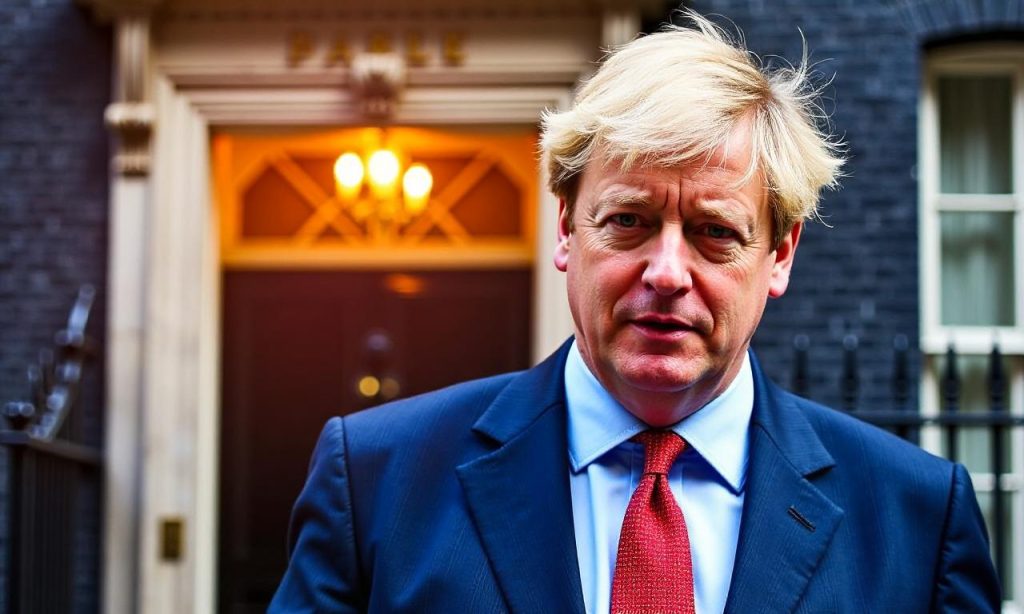
Chris Mason: Political Uncertainty in Downing Street – The Prime Minister’s Dilemma
Chris Mason – The recent weeks have brought a familiar pattern to British politics: the third instance in four years where the prime minister finds themselves on the edge of resignation. This time, the decision is not triggered by a loss in a national election but by internal pressure from their own party, which has concluded that the current leader may no longer be the best fit for the role. Within the government and the broader Labour Party, there is a growing consensus that Sir Keir Starmer could soon declare his intention to step down, potentially as early as this morning. The situation mirrors past challenges, raising questions about the stability of the Labour leadership and the forces shaping its future.
A Pattern of Leadership Changes
History has shown that political leaders often face unexpected exits, even when their electoral performance remains strong. Four years ago, Boris Johnson, then prime minister, stood at a similar crossroads. Despite securing a substantial majority in the general election just a few years prior, his leadership was tested as his own MPs grew weary of his chaotic style. Johnson’s defiance in the face of mounting criticism eventually gave way to reality, and in early July 2022, he announced his resignation, marking a pivotal moment in the UK’s political landscape. This was followed by Liz Truss’s abrupt departure three months later, as she too lost the backing of her parliamentary colleagues, leaving a void that needed immediate filling.
Starmer’s current predicament echoes these precedents. Since taking office less than two years ago, his leadership has been scrutinized for its effectiveness and direction. Many within Labour see his tenure as lacking the momentum they initially hoped for, leading to calls for a change. The question now is whether he will heed these murmurs or attempt to extend his time in power, balancing the demands of his party with the need to maintain public confidence.
The Rise of Andy Burnham
Amid this uncertainty, the recent by-election victory of Andy Burnham has intensified the debate. Burnham’s win in Makerfield, a traditionally Labour stronghold, has sparked speculation about his potential as a successor. His success has not only demonstrated his ability to challenge Reform UK but also highlighted his appeal to voters in a region where Labour faces significant competition. This win, combined with his early enthusiasm to take on the Greater Manchester mayoralty, has positioned him as a strong contender for the leadership.
Burnham’s rise has been steady. Earlier this year, he had sought to contest a Westminster seat in Gorton and Denton, but Starmer had blocked his initial attempt. This move was seen as a strategic effort to preserve the party’s unity and prevent a premature leadership contest. However, Burnham’s recent triumph has shifted the balance. With his name now associated with a decisive victory, some Labour MPs view him as a viable alternative to Starmer, particularly in light of Reform UK’s growing influence. The party’s dissent, which had been largely contained during the by-election campaign, is now more visible and vocal.
Starmer has made it clear that he is not ready to step aside. Those close to him have emphasized his resolve to remain in the leadership race, even if it means enduring a protracted contest. This determination has been on display in recent weeks, as he has actively sought to rally support and reinforce his position. His strategy includes offering Burnham a cabinet seat, a gesture aimed at keeping him engaged within the government rather than as an opposition figure.
Options for the Prime Minister
As the weekend passed, Starmer was reportedly weighing his options, with the clock ticking on his ability to retain authority. At least four cabinet ministers—among them the home secretary and foreign secretary—have privately urged him to establish a timeline for his departure. This pressure reflects a broader frustration within the party, where the desire for stability clashes with the need for renewal. The prime minister now faces a critical decision: either replace his ministers and continue the government with a clear successor in sight, or set a schedule for his own exit, allowing the party to move forward with a more structured transition.
Two primary paths seem to be emerging. The first involves a swift change in leadership, with Burnham poised to take over as soon as he is sworn in as an MP. A planned photo session with Labour MPs later this week is expected to solidify his new role, though the timing of Starmer’s announcement remains uncertain. The second option is for Starmer to consolidate his remaining influence, potentially using his authority to shape the next phase of Labour’s strategy. This could involve a leadership contest, which some within the party see as essential for testing candidates and ensuring a strong successor.
However, the idea of a contest has sparked debate. While it offers a democratic process, critics argue it could appear inward-looking, delaying critical decisions and diverting attention from the government’s agenda. Others suggest a more streamlined approach, such as hustings at Westminster without involving trade unions or party members. In this scenario, a new prime minister might be appointed within a matter of weeks, depending on the momentum behind Burnham’s campaign.
Implications for the Labour Party
The internal dynamics of the Labour Party are central to this crisis. The party’s members and MPs are divided between those who believe Starmer’s leadership has been steadfast and those who see his tenure as a missed opportunity. The defection of key figures like Burnham, who have historically aligned with Starmer, signals a deeper rift. This division is compounded by the rise of Reform UK, a party that has gained traction by capitalizing on public dissatisfaction with the traditional political establishment.
Burnham’s victory in Makerfield has not only bolstered his profile but also raised concerns about the future of Labour’s governance. His success in a region where Reform UK has been making inroads suggests a potential shift in the party’s base, which could influence the outcome of the leadership race. For Starmer, the challenge is to reconcile these pressures while maintaining the confidence of his supporters. The decision he makes in the coming days will not only define his legacy but also set the tone for Labour’s next chapter.
As the political landscape continues to evolve, the focus remains on Downing Street. What Starmer chooses to say—and when—could reshape the trajectory of the Labour Party for months to come. Whether he opts to stay, resign, or initiate a leadership contest, the implications are significant. The road ahead is uncertain, but the stakes have never been higher for the party that has long been the cornerstone of British politics.
“He made it very clear, via those close to him, that he wouldn’t give up and he would stand in any leadership contest.”
With the pressure mounting, the prime minister’s next move will determine the fate of Labour and the stability of the government. The by-election results have opened a window of opportunity for Burnham, but Starmer’s leadership remains a key factor in the party’s ability to navigate this turbulent period. The coming days will reveal whether the current leader can hold onto his position or if the tide has turned in favor of a new vision for the party’s future.