
King Charles reveals he paid £12.9m in tax for 2024-25
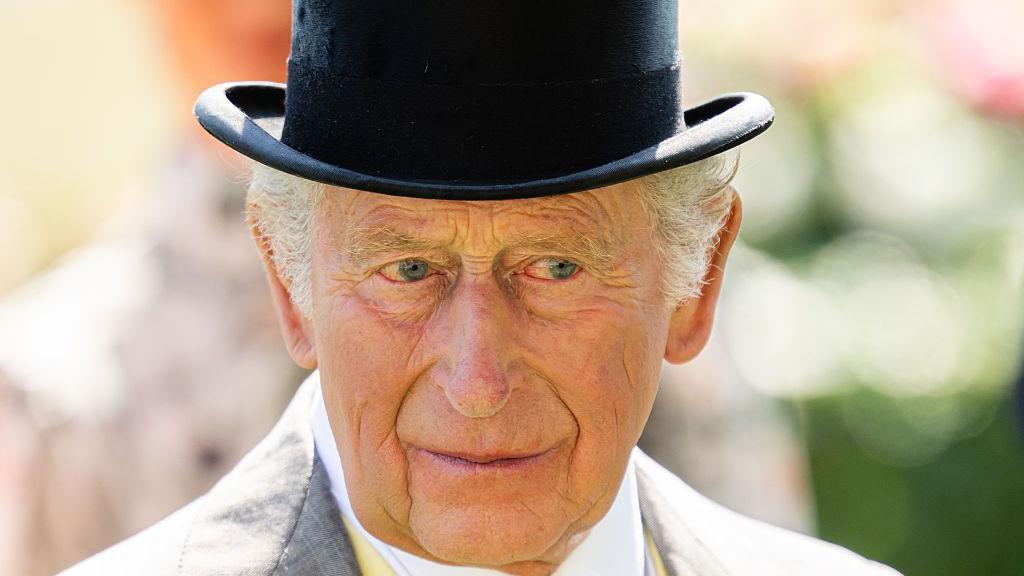
King Charles Reveals £12.9m Tax Payment for 2024-25
King Charles reveals he paid 12 9m – For the first time in modern history, King Charles III has disclosed his tax bill for the 2024-25 financial year, marking a significant step toward financial transparency. The revelation, shared in the latest royal accounts, shows the monarch paid £12.9 million in taxes, placing him among the UK’s top 100 taxpayers. This disclosure follows similar actions by the Prince of Wales, who reported paying £7.76 million in income and capital gains tax during the same period.
Monarch’s Tax Contributions and Public Accountability
The royal report, published by the monarchy’s financial office, highlights the King’s commitment to public accountability. His tax payment for 2024-25, which includes income from the Duchy of Lancaster, reflects his independent financial arrangements. This estate, comprising land, investments, and properties, generates an annual income of £25.2 million for the monarch in the 2025-26 fiscal year. The figures underscore how the King’s personal finances are structured to support both official and private expenses.
“The prince recognises the interest in these arrangements and the importance of appropriate transparency,” stated Ian Patrick, Prince William’s private secretary, when commenting on the shift toward public disclosure of tax payments. This decision by both the King and Prince William was described as a voluntary move to increase public understanding of royal financial commitments.
Revised Funding and Royal Residences
While the King and Queen Camilla will continue to reside in Clarence House for the foreseeable future, the royal accounts also reveal a shift in the monarchy’s financial framework. The Sovereign Grant, the primary public funding source for the Royal Household, is set to rise to £99.9 million in 2027-28, up from £51.8 million three years prior. This increase is part of a new formula aimed at aligning royal spending with current needs, though the details of its calculation remain unspecified.
Notably, the King and Queen will not move into Buckingham Palace after its renovations are completed. This decision has sparked speculation about the future use of the palace and the role of the royal family’s residences in budgeting. The accounts also note that the combined tax contributions of the King and Prince William for the past three years have exceeded £50 million, reflecting their shared responsibility in managing royal finances.
Private Investments and Tax Breakdown
The royal accounts provide insight into the financial strategies of the monarchy. The King’s tax bill for 2024-25 is attributed to his income from the Duchy of Lancaster, along with personal investments and savings. Similarly, Prince William’s tax payments are tied to the Duchy of Cornwall, a vast hereditary estate that includes the Oval cricket ground and spans 130,000 acres. However, the report does not detail how these income sources are broken down or the specifics of tax calculations for either individual.
Prince William has also taken a step to modify his financial contributions. He has requested that the £1.5 million annual rent from the abandoned Dartmoor Prison be redirected to support local communities, particularly the rural area of Princetown near the site. The prison, which has been empty since 2024, was closed due to high levels of radon, a toxic gas detected within its walls. This change reflects the prince’s efforts to align his financial benefits with public service initiatives.
Expensive Royal Travel and Operational Costs
The latest accounts reveal the monarchy’s travel expenditures, with Prince William’s three-day visit to Saudi Arabia in February 2024 emerging as the most costly overseas trip. It totaled just over £130,000, surpassing the King and Queen’s four-day state visit to Italy in April 2025, which cost £126,946. The King’s £48,460 trip to Lancaster in June 2025, conducted via royal train, is notable as the train is scheduled to be retired by 2027 to reduce operational costs.
Other expenses include £733,063 spent on 177 helicopter journeys by the royal family over the past year. These figures highlight the ongoing balance between royal tradition and financial efficiency, as the monarchy seeks to manage its budget while maintaining ceremonial duties. The accounts also note a potential reduction in royal finances, raising questions about the long-term implications of these changes.
Public Reaction and Future Implications
The publication of tax details has generated mixed reactions. Supporters praise the move as a demonstration of the monarchy’s fiscal responsibility, while critics argue that more transparency is needed regarding private investments. Buckingham Palace has emphasized that the transparency initiative aims to foster public trust, stating that it encourages a better understanding of the royal family’s accountability.
Despite the increased disclosure, some aspects of the royal finances remain undisclosed. For instance, the King’s and Prince William’s private investments, which are liable for tax, have not been fully detailed. This lack of transparency, however, is not unique to the current accounts, as previous reports have also omitted specific breakdowns. The ongoing audit of the 2025-26 tax year will provide further clarity, though it is expected to be released next year.
Historical Context and Royal Adjustments
When Prince William became heir to the throne, he initially did not release his tax payments. This changed as he adopted his father’s approach, making his tax contributions public. The shift highlights a broader trend of the monarchy adapting to modern expectations of financial accountability. Andrew, the King’s son, had previously sublet cottages at Royal Lodge, a detail that has drawn attention to the family’s private financial activities.
The updated Sovereign Grant figures, which are now projected to reach £99.9 million annually, suggest a growing emphasis on sustainable funding. While the royal family’s income from estates and investments remains substantial, the accounts also reflect efforts to streamline costs. The retirement of the royal train, for example, is part of a broader strategy to reduce expenses without compromising the monarchy’s ceremonial functions.
Conclusion: Balancing Tradition and Transparency
The release of tax figures for 2024-25 marks a pivotal moment in the monarchy’s financial history. By voluntarily disclosing their contributions, King Charles and Prince William have set a precedent for greater openness. However, the continued absence of detailed breakdowns for private investments raises questions about the extent of transparency. As the Royal Household navigates these changes, the balance between tradition and modern accountability will remain a central theme in public discourse.