German, EU Finance Ministers Call for Energy Windfall Tax
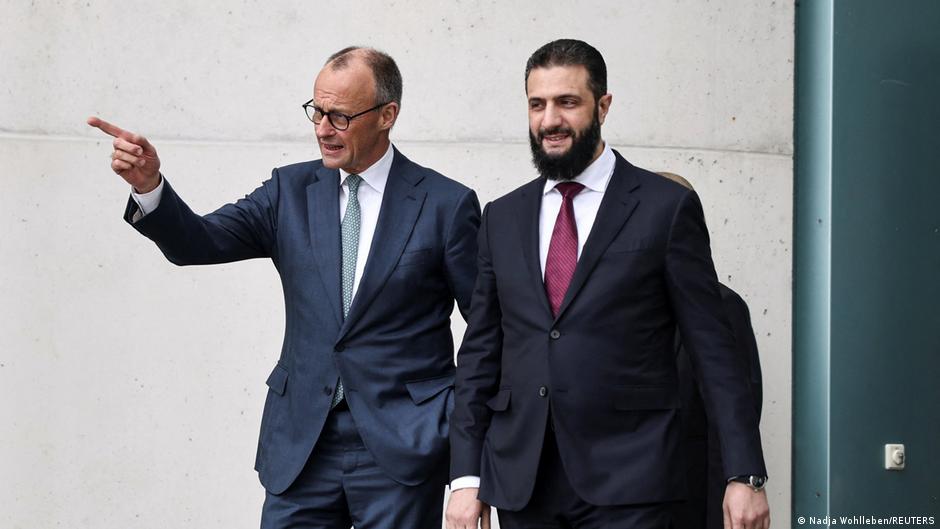
Samael.lol – The ongoing conflict in Iran has driven oil and gas prices to unprecedented levels, inflating corporate profits while straining household budgets. In response, European Union finance ministers, including Germany’s Lars Klingbeil, have proposed a targeted tax on the excessive gains of energy firms. This initiative aims to alleviate financial pressure on consumers and stabilize inflation amid rising costs.
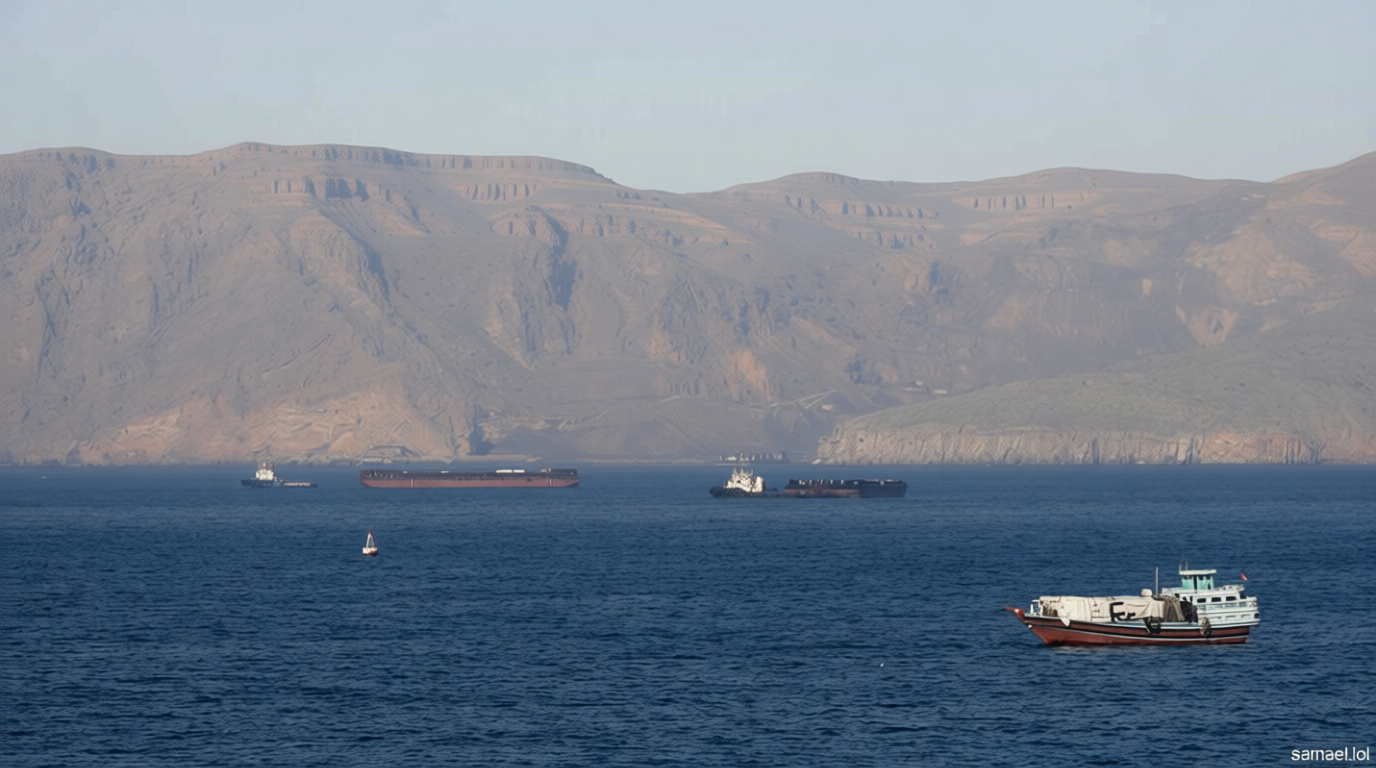
A joint letter from Germany, Austria, Italy, Portugal, and Spain to EU Climate Commissioner Wopke Hoekstra highlights the need for a windfall tax, emphasizing the link between geopolitical tensions and market volatility. The push follows Iran’s closure of the Strait of Hormuz, a retaliatory move against US and Israeli strikes, which has further disrupted fuel supplies and triggered price spikes across the region.
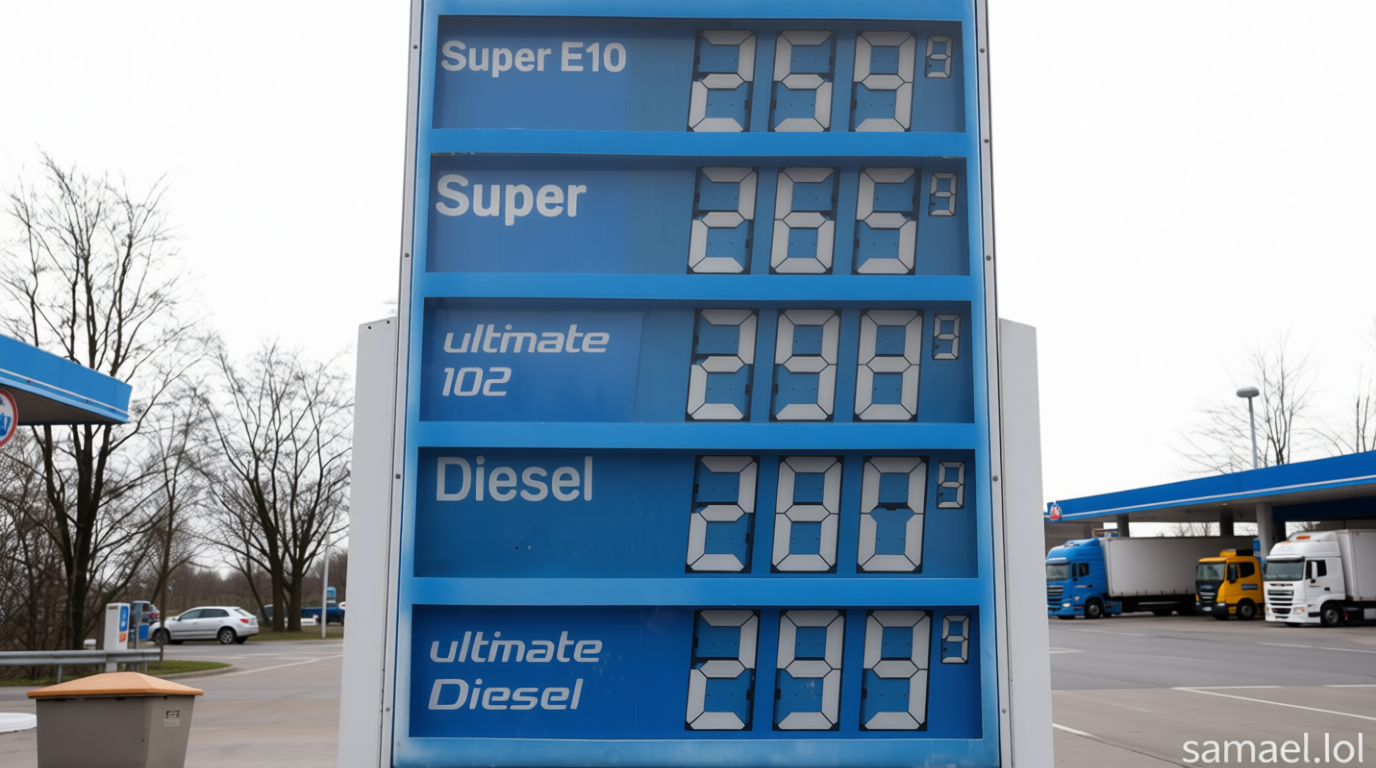
Germany’s diesel prices hit a record high during the Easter weekend, reaching €2.391 per liter on Friday—a new all-time peak. Earlier that week, diesel costs had already surpassed the previous record of €2.346. These surges reflect broader European challenges, as energy prices continue to climb despite efforts to diversify sources.
The ministers argue that a windfall tax would demonstrate solidarity and accountability, ensuring that energy companies contribute to easing public burdens. They stated,
“It would send a clear message that those profiting from the war’s consequences must share in the cost of supporting consumers.”
The measure could also help fund temporary relief programs and curb inflation without overburdening government finances.
Similar measures were introduced in 2022 during the energy crisis, spurred by Russia’s invasion of Ukraine. That package included profit taxes on energy firms, price caps for gas, and initiatives to reduce demand. EU Energy Commissioner Dan Jorgensen has confirmed the bloc is evaluating comparable steps again.
Despite expanding renewable energy infrastructure, the EU still depends heavily on imported fossil fuels. While Russian fuel imports have been partially offset by Gulf suppliers, prices remain elevated even in regions not reliant on oil and gas routes through the Strait of Hormuz. Ensuring affordable energy has become a critical focus for European policymakers as prices soar.