The Turbulent History of US-Cuban Relations
Expansionist Ambitions Predate Modern Politics
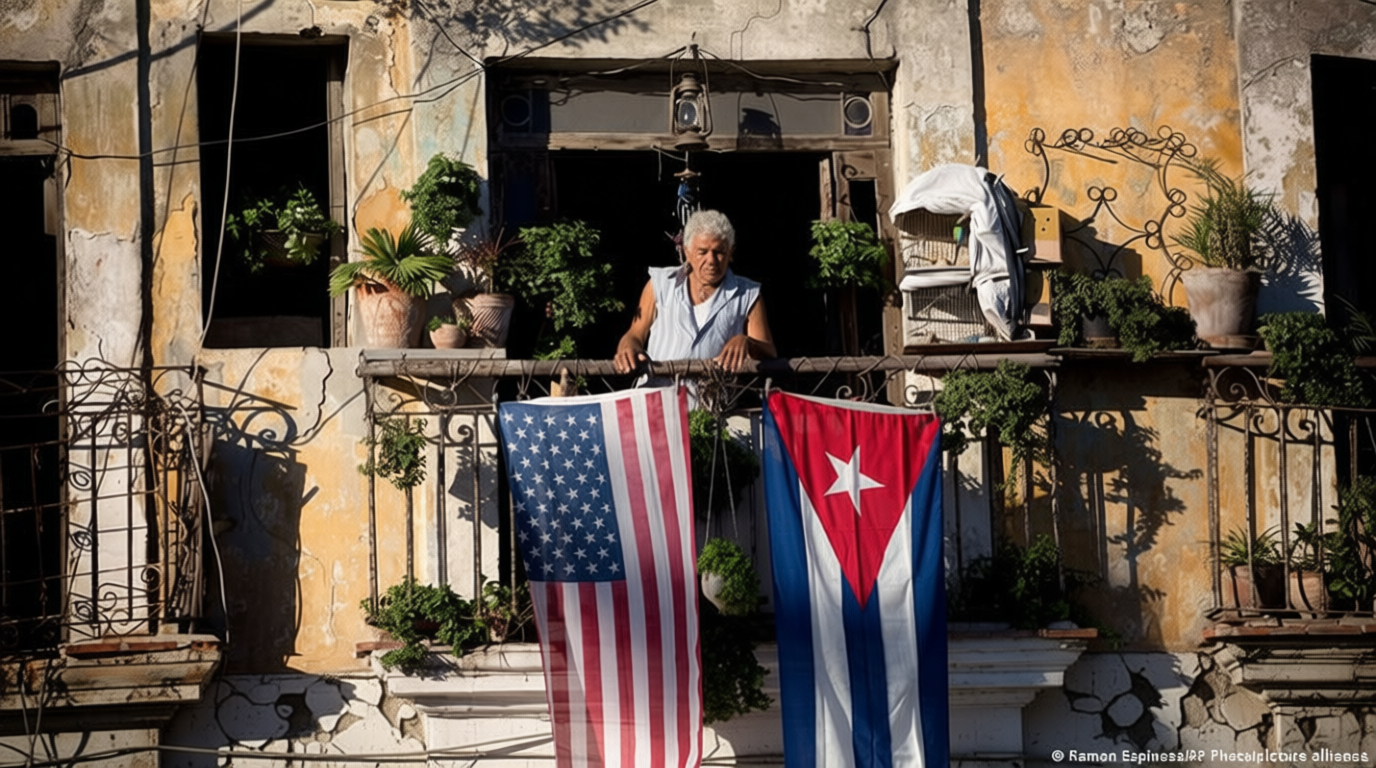
Samael.lol – Donald Trump’s aspirations to assert control over Cuba are part of a broader historical pattern of American interventionism. Historian Michael Zeuske, from the University of Bonn’s Center for Dependency and Slavery Studies, emphasizes that the United States has long sought to influence the Caribbean island. This drive began in the mid-19th century when Cuba was still under Spanish rule.
America’s Early Claims
Thomas Jefferson, the third U.S. president, expressed in 1820 that his nation should seize Cuba as soon as possible. Three years later, John Quincy Adams, then serving as Secretary of State, articulated a vision of Cuba’s inevitable alignment with the North American Union. He stated:
“There are laws of political as well as of physical gravitation; and if an apple severed by the tempest from its native tree cannot choose but fall to the ground, Cuba, forcibly disjoined from its own unnatural connection with Spain, and incapable of self support, can gravitate only towards the North American Union, which by the same law of nature cannot cast her off from its bosom.”
From Offers to Threats
In 1848, President James K. Polk proposed purchasing Cuba for $100 million, but Spain reportedly dismissed the offer, preferring to let the island sink. By 1898, the U.S. found a justification for military action. Cuban rebels had been waging a fierce struggle against Spanish rule, prompting Washington to deploy troops under the guise of safeguarding its citizens.
The Spark of War
A critical event unfolded in Havana Harbor when the USS Maine, a U.S. battleship, was anchored for weeks. On February 15, 1898, a catastrophic explosion crippled the vessel, leading to its rapid sinking. The cause remains debated—whether a spontaneous fire or a Spanish torpedo. Despite the uncertainty, the U.S. declared war, ultimately securing control over Cuba.
Conditions for Independence
While Cuba achieved nominal independence in 1902, its sovereignty was still tethered to the U.S. through the Platt Amendment. This provision, mandated by American forces, allowed Washington to intervene in Cuban affairs, including military operations and shaping foreign policy. The Guantanamo Naval Base, established during this period, remains operational to this day.
Economic Ties and Cultural Influence
By the 1920s, U.S. economic dominance in Cuba was entrenched. American firms controlled over 60% of the sugar industry, while investors flooded Havana with capital for hotels and entertainment venues. The 1920 U.S. Prohibition Act further fueled this connection, as tourists flocked to Cuba to enjoy alcohol. Organized crime soon followed, cementing the island’s role in American economic interests.