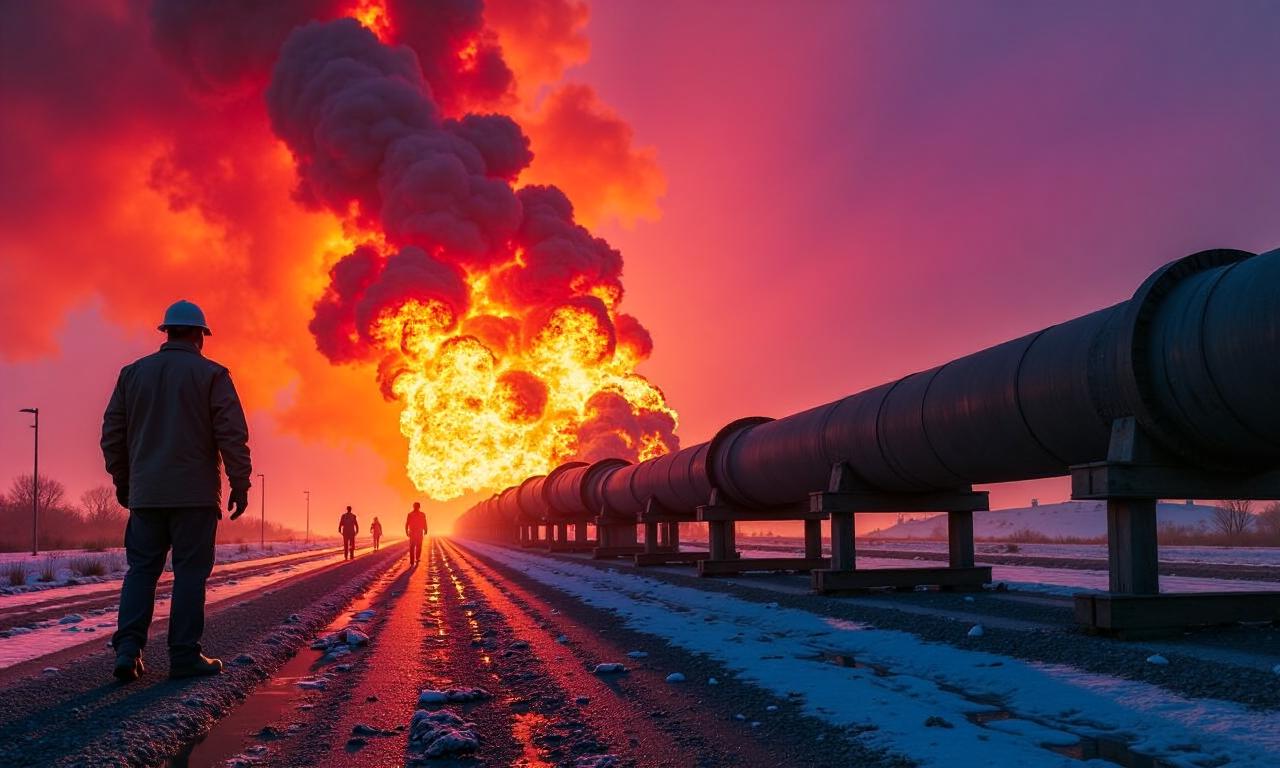
Hungary Alleges Plot to Blow Up Gas Pipeline Ahead of Election
Samael.lol – Prime Minister Viktor Orban summoned an emergency session of the National Defence Council following the detection of explosives near a critical Russian gas pipeline. The location, a border zone with Serbia, has become a focal point as Orban’s ruling party faces declining support in polls ahead of next Sunday’s pivotal elections. Opposition leader Peter Magyar recently criticized the leader for “panic-mongering” attributed to “Russian advisers,” echoing security analysts’ earlier warnings about a potential “false flag” operation that might shift blame to Ukraine.
Security Concerns and Strategic Rivalry
Orban, a long-standing ally of Russian President Vladimir Putin, has been steadfast in resisting EU demands to cut ties with Russian energy sources since the invasion of Ukraine. In recent weeks, Hungarian security experts have floated the idea of a staged attack, either within Hungary or Serbia, aimed at swaying public opinion in favor of Fidesz or providing Orban a pretext to delay the vote. Serbian President Alexander Vucic, a close collaborator with Orban, informed him of the discovery on Sunday morning.
“Our units found an explosive of devastating power,” Vucic shared on Instagram. “I told PM Orban that we would keep him updated on the investigation.”
The TurkStream pipeline, which delivers Russian gas to Hungary, is central to the nation’s energy supply. Both Hungary and Slovakia rely on this route for their imports. According to reports, two rucksacks containing explosives and detonators were discovered by Serbian forces near Tresnjevac village, located 20km from the pipeline’s entry into Hungary. The government maintains the threat is genuine, with Foreign Minister Peter Szijjarto stating on Facebook: “In the past few days and weeks, we’ve seen it all—the Ukrainians organised an oil blockade, then launched drone strikes against the TurkStream pipeline while it was still on Russian soil. Now we have today’s incident, with Serbian colleagues uncovering explosives capable of destroying the line.”
Political Motivations and Accusations
Magyar has alleged that Orban and Vucic conspired to stage the latest incident. “He will not b…” the opposition leader claimed, hinting at a broader strategy to undermine his rival. Meanwhile, Fidesz has positioned its campaign around anti-Ukrainian sentiment, with Orban emphasizing Hungary’s affordable energy prices as a result of Russian imports. The party claims a “Kyiv-Brussels-Berlin” alliance seeks to replace him with a “puppet” leader, potentially pulling Hungary into a European conflict with Russia.
Orban previously accused Ukrainian President Volodymyr Zelensky of implementing an “oil blockade” after the Druzhba pipeline, which runs through Ukraine, ceased Russian oil shipments since January. Ukraine disputes this, citing Russian attacks as the cause and expecting the pipeline to resume operations by mid-April. No official evidence of Ukrainian involvement has been disclosed yet, though a Serbian insider suggested the incident could be confirmed as early as Monday when authorities release initial findings.
Former Hungarian counter-intelligence officer Peter Buda noted to the BBC: “We had solid preliminary information about this operation, including details about the place and possible timing. It’s clear that Ukraine’s interests aren’t at stake here. An attack like this would benefit Orban by shaping public opinion in his favor.” Security analyst Andras Racz warned on Facebook that a “fake attack” could be orchestrated in Serbia, with the explosives later linked to Ukraine, reinforcing Orban’s narrative of Kyiv’s aggression.