Quiet, steady, thoughtful
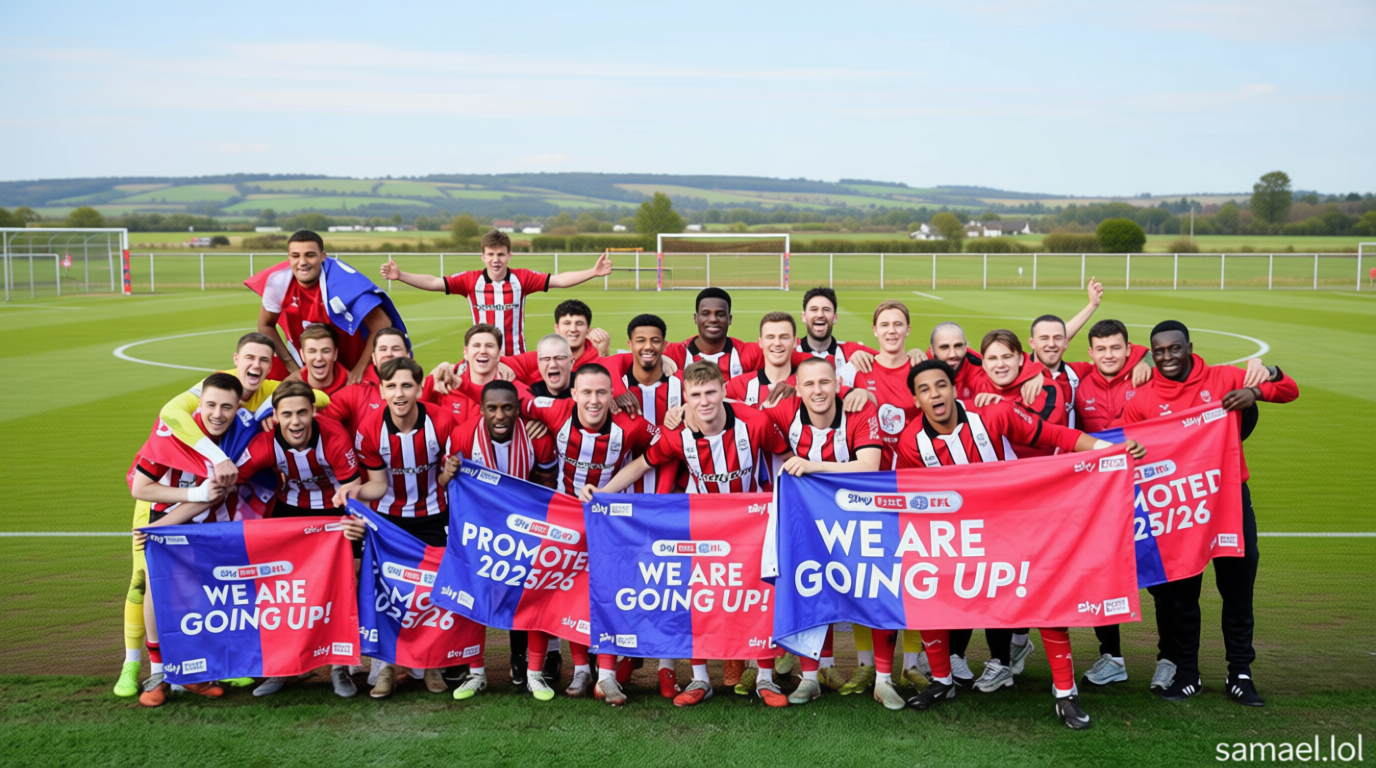
Samael.lol – Lincoln City’s rise to the Championship defies expectations. How did a club with limited financial resources achieve such a feat? A pivotal moment arrived when Jack Moylan netted in the 96th minute to deliver a 2-1 win at Reading, securing promotion with flair and finality. This victory marked the first return to the second tier in 65 years, a milestone that had eluded the Imps for decades.
A 20-year narrative
John Pakey, a former sports editor of the Lincolnshire Echo, revisits the club’s journey through conversations with past colleagues. The transformation wasn’t sudden—it spanned two decades of perseverance. Reflecting on this, Pakey recalls a 2016 call with Danny Cowley, who had just been appointed as manager. “We look at Lincoln City as a sleeping giant—was that fair?” Cowley asked, hours after the decision was finalized.
“I had pressed send on the Echo’s back page that day, declaring ‘It’s a Dan deal: Cowley to be new Imps boss.’”
Cowley’s vision for unity and potential was evident, but Pakey notes that the foundation lay deeper. Keith Alexander, who led the club from 2002 to 2006, laid critical groundwork. His 213 games saw Lincoln climb from administration to consecutive play-off campaigns in League Two, reviving its fortunes. “Gates were sparse, often just 2,500 people,” recalls Leigh Curtis, who covered the team from 2005. “The ITV digital crash left the club in financial trouble, but Alexander turned things around.”
“His eye for talent was extraordinary, and his strength was fostering team spirit.”
Alexander’s legacy lives on through players like Gareth McAuley and Gary Taylor-Fletcher, who rose from non-league to Premier League. “Team spirit was worth 50 points in a season,” Curtis adds. “It created a relentless, hardworking unit—difficult to beat, even if critics labeled them a long-ball team.”
Alexander’s departure in 2006 and passing in 2010 left a void. “No manager since then matched his recruitment success,” Curtis says. The decline continued under Steve Tilson, who oversaw Lincoln’s drop from the Football League in 2011. “That day was horrific,” Curtis recalls, highlighting the turmoil. Bob Dorrian, the chairman, became a lifeline, blending financial support with strategic restructuring. His efforts endured as the club navigated non-league challenges.
Clive Nates, a South African investor, joined the board in 2016. Unassuming and often mingling with fans, he brought stability. When asked about his involvement, Nates replied, “I like football and wanted to invest in it.” His partnership with Dorrian eventually led to his chairmanship in 2018. This quiet collaboration, rooted in patience and purpose, cemented Lincoln’s climb to the Championship.