Has US achieved its war objectives in Iran?
The Pentagon’s Narrative Battle
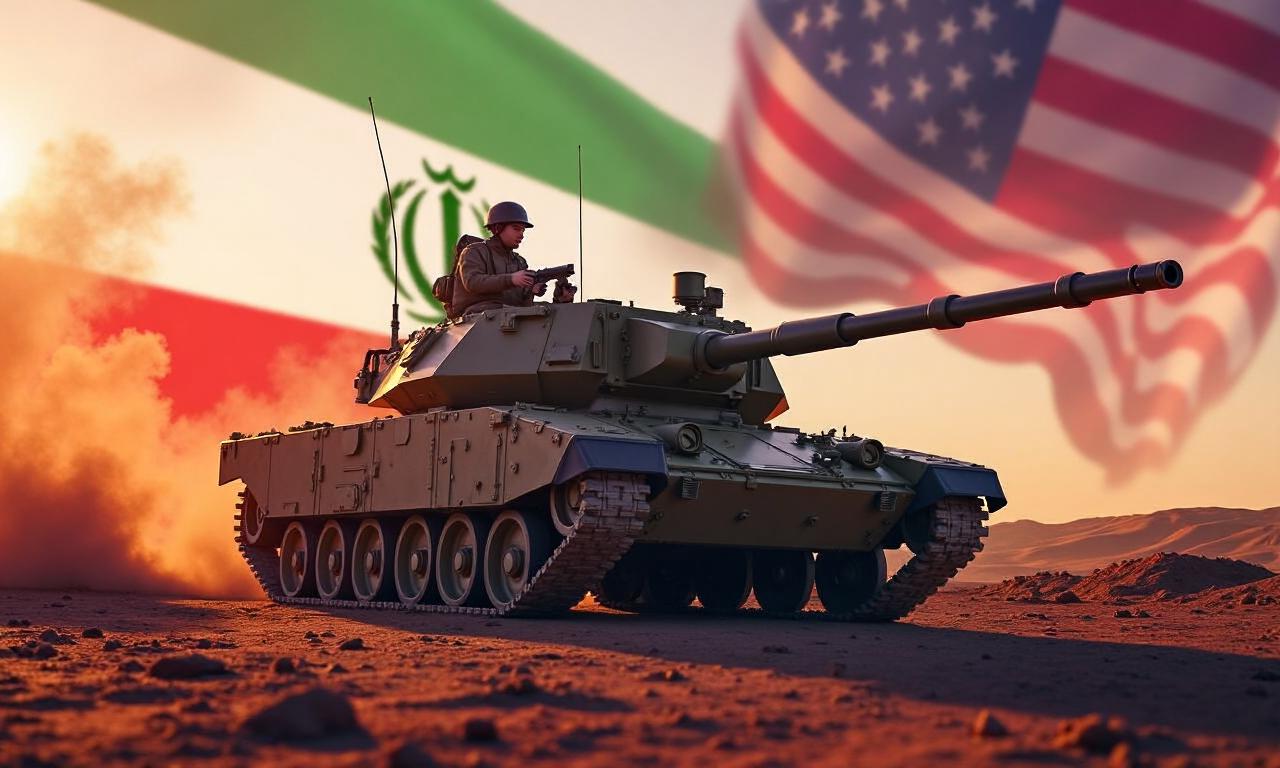
Samael.lol – Since the initial strikes by the US and Israel, the Pentagon’s press briefings have become a focal point for shaping the war’s narrative. From the outset, Defence Secretary Pete Hegseth, a former Army National Guard Major and Fox News commentator, has delivered TV-style monologues to reporters. His updates, ranging from early declarations of military dominance to recent remarks on a two-week truce, reflect a pattern of emphasizing displays of American military might.
“We’ve scored a capital V military victory,” Hegseth declared in one briefing.
“Death and destruction from the sky all day long,” he added during another session.
Yet, uncovering the war’s actual impact and its toll on US forces requires deeper analysis. As the fragile ceasefire faces scrutiny, the question remains: what has the US truly accomplished, and at what cost?
Trump’s War Goals and Nuclear Ambitions
President Trump’s primary aim was to prevent Iran from advancing its nuclear program, a goal Iran has claimed it never intended. This objective had long been a focus of US-led diplomacy, but Trump believed the 2015 JCPOA deal was insufficient. During his first term, he broke the agreement by reimposing sanctions on Iran, effectively withdrawing from the accord.
This marked a shift from diplomacy to force, culminating in the current conflict. However, the ceasefire has yet to yield clear progress on the nuclear issue. Trump asserted in June that Iran’s capabilities were “obliterated” by attacks on sites in Isfahan, Fordow, and Natantz. Despite five more weeks of hostilities, Iran’s enriched uranium stockpile remains intact, with gas cylinders reportedly buried under rubble.
Rafael Grossi, head of the IAEA, noted in the third week of the war that a military solution to Iran’s nuclear ambitions may not be feasible. Trump now claims the US will collaborate with Iran to “dig up and remove all of the deeply buried… Nuclear Dust.” Yet Tehran’s leadership, now more suspicious, appears undeterred, positioning this as a critical factor in upcoming talks in Islamabad.
Regime Change and Strategic Ambiguity
Trump’s initial declaration of war included calls for regime change, urging Iranians to overthrow their government after US-Israeli strikes. Within days, he demanded “unconditional surrender,” a target that remains unmet. While Israel has eliminated key figures, including Ayatollah Ali Khamenei, his son Mojtaba was named successor. Trump argued the new leadership is “less radicalised and far more intelligent” than before, hoping to replicate his success in Venezuela.
However, evidence of this strategy succeeding in Tehran is scarce. US officials claim the country’s conventional military assets are destroyed, citing “obliterating” its missiles, drones, and naval forces. Leaked assessments challenge this, suggesting Iran retains about half its pre-war arsenal. Regardless of the truth, the administration’s stated aims have evolved since the conflict began. Thirteen US service members have been killed, with hundreds injured, and munitions used rapidly. The war’s outcome remains uncertain.