Zambia: Is the US trading HIV treatment for minerals?
Samael.lol – The U.S. has been accused of using health aid as leverage to secure access to Zambia’s vital mineral resources. While millions of Zambians rely on American support for managing HIV, tuberculosis, and malaria, the nation remains cautious about agreeing to new terms. According to the United Nations, HIV infections in Zambia fell from 63,000 to 30,000 between 2010 and 2025, thanks in part to the President’s Emergency Plan for AIDS Relief (PEPFAR). However, the U.S. now seeks to shift focus toward mineral access, raising concerns among local leaders.
A memo obtained by The New York Times outlines how the U.S. could cut off health support on a large scale to pressure Zambia and other countries into accepting its conditions. This strategy follows the Trump administration’s dismantling of USAID, which aimed to replace long-standing aid programs with bilateral agreements, known as Memorandums of Understanding (MOUs), under the America First Global Health Strategy. The State Department claims these MOUs will channel over $20.6 billion in new health funding across Africa, but details remain undisclosed.
Zambia is among two nations resisting this approach, alongside Zimbabwe. In a statement to DW, Conor Savoy, a former USAID official and current Center for Global Development fellow, noted that the U.S. is adopting a “radically different approach” to health partnerships. Zimbabwe criticized U.S. demands for data and biological samples as “lopsided” and an “intolerable infringement on sovereignty.” Meanwhile, Kenya accepted a deal but faces legal challenges from activists over data privacy issues.
Zambia has been negotiating for months, but the U.S. proposal has not met its expectations. The offer includes $1 billion in health funding over five years, less than half the amount previously provided. In exchange, Zambia would need to allocate $340 million in new health spending and share biological data for 25 years. The country has until May to sign the deal or risk losing support. Despite this, Zambia has been boosting its own health investments, including HIV programs, though scaling up funding is a slow process, according to Savoy.
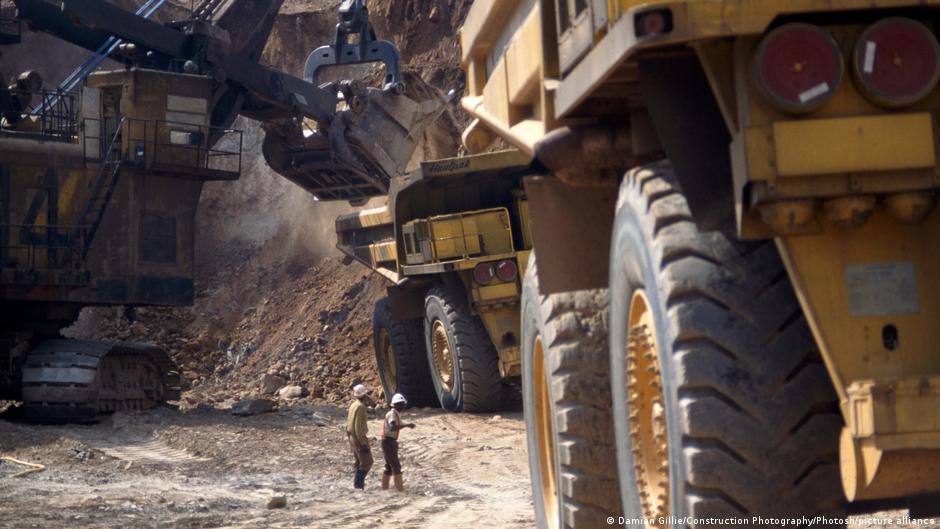
The U.S. has also targeted Zambia’s mineral wealth, which includes substantial reserves of nickel and cobalt, as well as being a top copper producer. Earlier this year, the Trump administration launched Project Vault to challenge China’s control over rare earth minerals. However, critics argue this tactic risks undermining trust in U.S. health commitments. “We’re playing with fire here,” Savoy warned. “It could erode confidence and credibility on the continent.”
HealthGAP, a Zambian advocacy group, reported that activists are opposing agreements that tie health funding to mining activities. While some nations have already signed MOUs, it is unclear if mineral access was a condition in all deals. For example, the Democratic Republic of Congo has agreements for both health aid and minerals. Savoy noted that certain countries may welcome such arrangements, as they aim to reduce reliance on China for critical resources.
“We’re playing with fire here ultimately and it could further erode confidence and credit and our credibility on the continent,” said Savoy.
Experts remain divided on whether these deals are beneficial. While some see them as a way to secure vital resources, others fear they could compromise Zambia’s autonomy in health policy.