Is the Trump-Starmer bromance over?
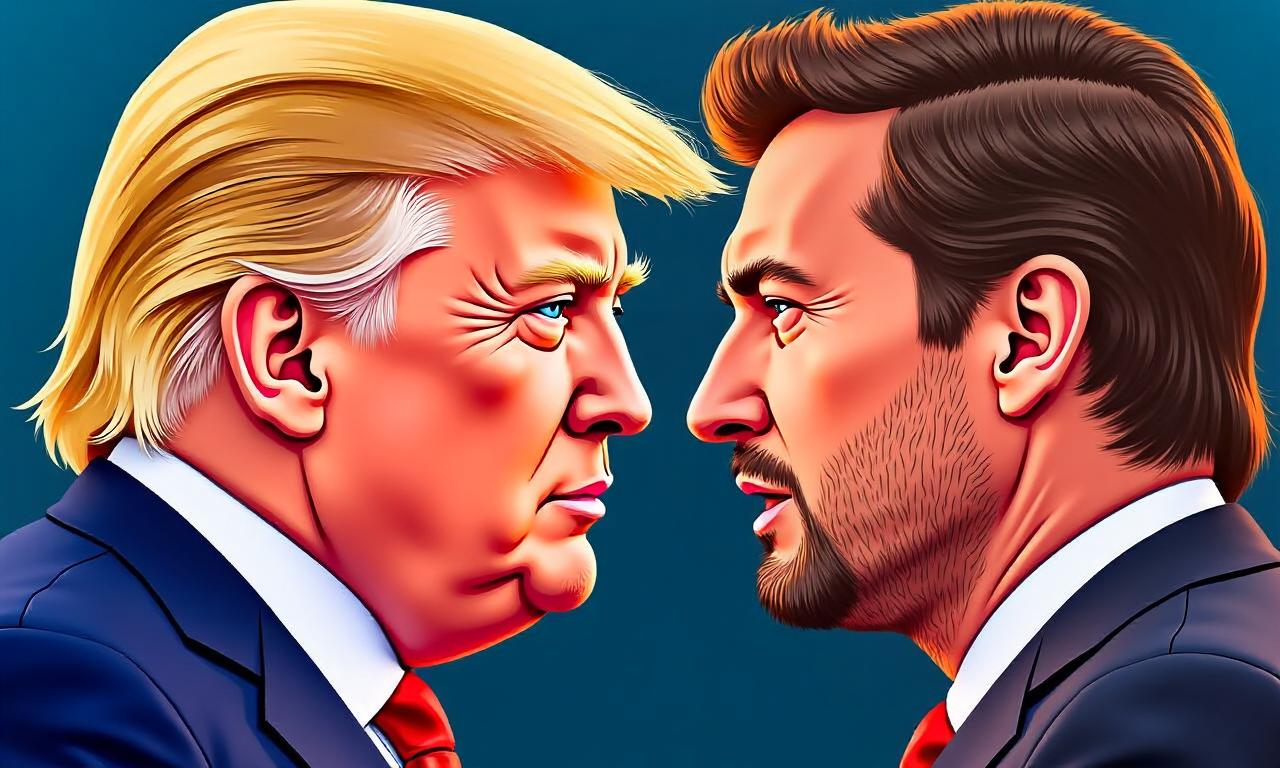
Samael.lol – The initial connection between the right-wing businessman and the left-leaning London lawyer seemed improbable. Their relationship blossomed during a lengthy dinner at Trump Tower in September 2024. However, five months later, tensions emerged in the Oval Office as disagreements over policy began to surface. Starmer’s team celebrated their alliance as a triumph for the prime minister, citing the improved trade ties with Washington as proof. Yet, the same bond is now under strain, and the PM is increasingly leveraging the situation for political gain.
Historically, Downing Street would downplay bold moves from the White House with phrases like “We’re not getting involved” or “What’s there to gain?” This approach often focused on policy, not personal dynamics. But when Trump and Starmer clashed over the use of UK military bases in the Iran War, the tone shifted. The president responded with sharp criticism, labeling Starmer “no Winston Churchill” and even retweeting a mocking TV sketch. Whitehall officials remain silent, offering only vague summaries of their interactions.
Some former advisors are more candid. Ben Judah, who worked with David Lammy during his tenure as foreign secretary, noted that the US “no longer only cooperates with us as allies but coerces us as vassals.” He described the shift as a realization that “our closest ally, the superpower we had built our entire security around, had become erratic, emotional, and unpredictable.” Richard Shirreff, a former NATO commander, echoed this sentiment, calling the US “an ally that is behaving more as a predator.”
Starmer’s team believes the current situation is a strategic opportunity. The PM recently told ITV News he was “fed up with families seeing their bills rise and fall due to Putin or Trump.” Yet, the next day he avoided repeating those remarks when questioned by a journalist, emphasizing that “the relationship remains very important” and that he is “measured and calm, not creating drama.” His comments followed Rachel Reeves’ criticism of Trump’s military action, reinforcing the government’s focus on the cost of living as a central campaign issue.
With elections approaching on 7 May, the Iran crisis has become a tool for the PM to distance himself from economic pressures. Sir Keir has avoided the campaign trail, instead using his position to project leadership. He convened business leaders, chaired an emergency Cobra meeting, and hosted a news conference in the Gulf. His team highlights his strong stance on the Iran decision, despite acknowledging a minor misstep on farmers’ tax. The ongoing conflict also makes it harder for internal critics to challenge his leadership.
“He might not have got [the decision] quite right on farmers’ inheritance tax,” admits a government official. “But the Iran decision really mattered. And he called it absolutely right.”
The evolving dynamic between Trump and Starmer reflects broader shifts in transatlantic relations. While the PM remains steadfast in his position, the public sparring underscores the complexities of maintaining unity amid differing priorities. As the situation unfolds, the true nature of their relationship may only be revealed in Sir Keir’s future memoirs.