Iran War: Talks Collapse is Bad News for Ordinary Iranians
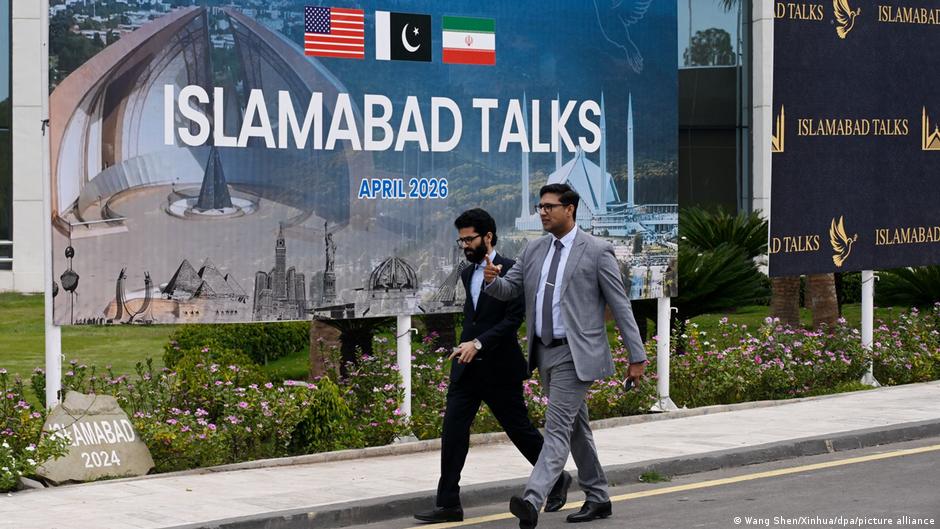
Samael.lol – The recent breakdown of U.S.-Iran negotiations has intensified uncertainty about whether the two nations can resolve their deepening conflict. While the collapse raises concerns about the viability of diplomatic efforts, it also highlights the growing internal pressures shaping Iran’s approach to peace talks. The discussions in Islamabad were intended to assess if a fragile ceasefire could evolve into a lasting agreement, but they concluded without a final accord.
Despite the absence of a deal, the talks served as a significant event. They marked the first high-level direct dialogue between the two countries since the 1979 Islamic Revolution. Though the outcome was seen as disappointing, diplomatic lines appear to remain active, at least until the temporary truce expires on April 22. Pakistan has encouraged both sides to maintain the ceasefire, emphasizing its importance for regional stability.
Domestic Pressures on Iran
U.S. Vice President JD Vance, leading the American delegation, presented what he described as the final proposal. Iranian officials labeled it “unreasonable” and “excessive,” underscoring the challenges in bridging the divide. However, the situation within Iran is complex. Hardline lawmakers, like Mahmoud Nabavian, have quickly portrayed the U.S. stance as overly demanding, suggesting Washington seeks a share in Hormuz revenues, removal of 60% enriched uranium, and a 20-year pause on uranium enrichment.
“Washington wants a share in Hormuz revenues, removal of all 60% enriched uranium, and a 20-year halt to Iranian uranium enrichment.” – Mahmoud Nabavian
In contrast, Iran’s Parliament Speaker Mohammad Bagher Qalibaf adopted a more measured tone. He stated that Iran had approached negotiations with “goodwill and the necessary will,” yet lingering distrust from past conflicts remained. Qalibaf noted that the U.S. had come to understand Iran’s core principles, leaving it to Washington to demonstrate its commitment to rebuilding trust.
Impact on Civilian Life
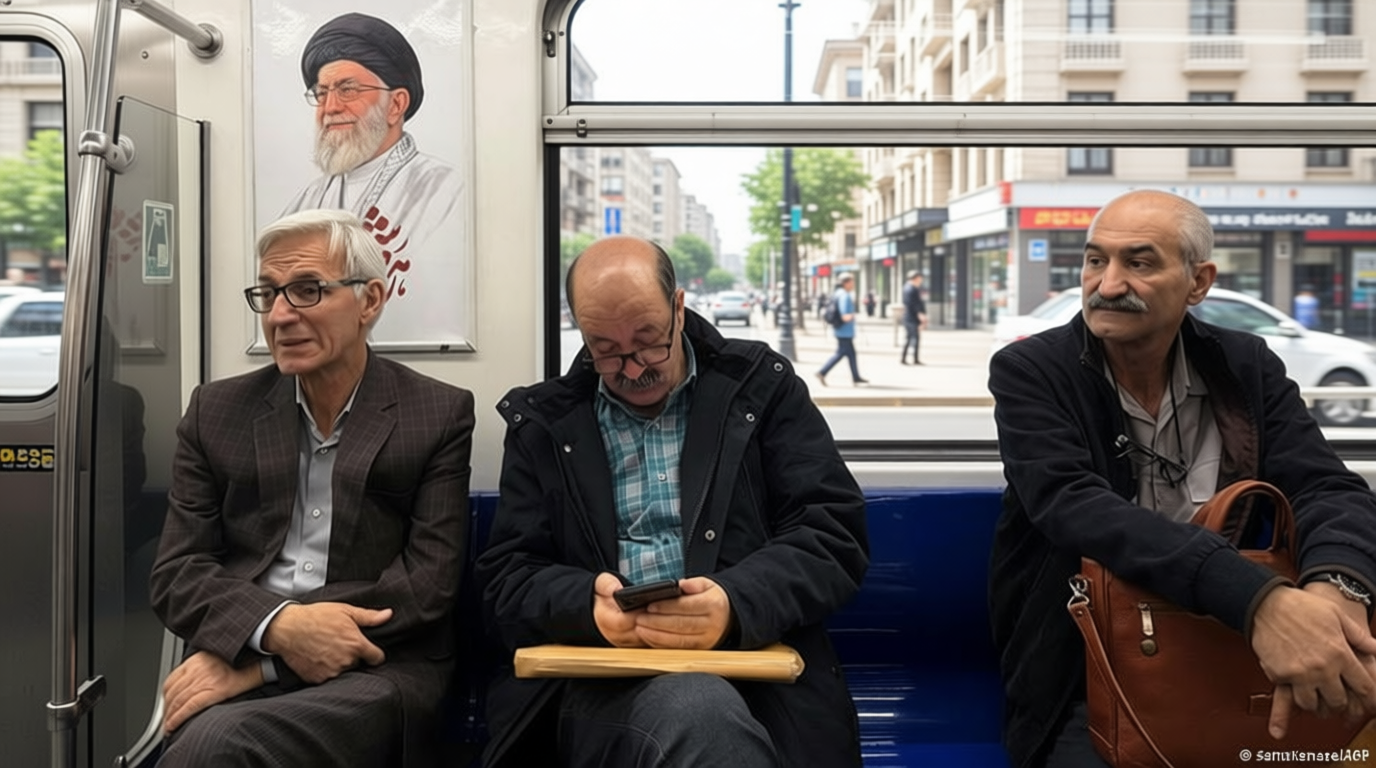
The failure to reach an agreement has worsened hardships for everyday Iranians. Nearly six weeks of heavy bombings and airstrikes have left cities and infrastructure in disarray. A Tehran resident shared how their workplace, linked to Mobarakeh Steel, was hit, forcing some staff to leave. “Accounting staff is still there,” they said, “but in sales, there is nobody left.” They expressed hope that a resolution would allow damaged facilities to recover and workers to return.
“A product that cannot be bought is worthless.” – Tehran resident
Another resident described broader economic collapse. “Hundreds of thousands have become unemployed,” they said, highlighting how rising costs have made basic goods unaffordable. This has deepened the economic strain that sparked massive protests earlier this year. The internet shutdown since the war began on February 28 has also disrupted livelihoods and strained family dynamics. “Society is in a deep economic, political, and social crisis,” they added, reflecting widespread frustration.
Remaining Hope for Diplomacy
Despite the setback, some remain optimistic about future negotiations. Nazila Golestan, a political activist in Paris, told DW that prolonged conflict is detrimental to both the isolated Iranian regime and its people. “A longer war is neither in the interests of Tehran’s government nor the Iranian public,” she said. The economic and social toll of renewed hostilities is growing, making it increasingly difficult for Iran to sustain full-scale confrontation. This could pressure the regime to seek compromise and reopen talks.